

+86 185 4892 6888

Gas, as a clean, efficient and versatile energy source, plays an indispensable role in modern social and economic development. Common types of gas include natural gas, liquefied petroleum gas (LPG), and biogas, which are widely used in residential life, industrial production, power generation, transportation and other fields due to their advantages of low pollution, high calorific value and convenient use. With the global emphasis on energy conservation and emission reduction, the application scope of gas is constantly expanding, becoming an important part of the clean energy transition. This article explores the core application areas of gas, maintaining conciseness within the 1000-character range.
Meeting the daily energy needs of residents is one of the most basic and widespread applications of gas. In urban and rural households, gas is mainly used for cooking, water heating and heating, bringing great convenience to people's lives. Compared with traditional solid fuels such as coal and firewood, gas combustion is more sufficient, producing less smoke and harmful substances, which not only improves the living environment but also reduces the risk of air pollution and respiratory diseases.
In cooking scenarios, natural gas and LPG are widely used due to their fast ignition, stable fire and easy temperature control, which can meet the diverse cooking needs of families. For water heating, gas water heaters heat water quickly and continuously, providing hot water for daily washing and bathing. In cold northern regions, gas-fired wall-hung boilers and central heating systems are commonly used for residential heating, which are efficient and environmentally friendly, and can flexibly adjust the temperature according to needs.
Gas is an important energy source and raw material in industrial production, widely used in manufacturing, metallurgy, chemical industry, food processing and other fields. As an energy source, gas is used for heating, drying, heat treatment and other processes in industrial production. Its high calorific value and stable combustion characteristics can ensure the stability of production processes and improve product quality.
In the chemical industry, natural gas is an important raw material for producing chemical products such as methanol, ethylene, ammonia and synthetic ammonia. Through chemical reactions, gas can be converted into a variety of high-value-added chemical products, which are widely used in plastics, textiles, fertilizers and other industries. In addition, in industries such as glass and ceramics that require high-temperature firing, gas combustion can provide a stable high-temperature environment, ensuring the forming and quality of products. Compared with coal-fired and oil-fired energy sources, gas-fired industrial production has lower emissions of sulfur dioxide, nitrogen oxides and particulate matter, which is in line with the requirements of industrial green development.
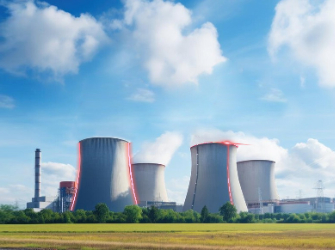
Gas-fired power generation is an important part of the global power supply system, especially valued for its fast start-up, flexible operation and low pollution characteristics. Gas-fired power plants use natural gas as fuel to drive gas turbines or steam turbines to generate electricity, which can quickly adjust the power generation output according to the changes of the power grid load, making it an ideal peak-shaving power source for the power grid.
In addition, gas-fired cogeneration systems (combined heat and power, CHP) are widely used in industrial parks and urban central heating. These systems generate electricity while recovering the waste heat generated during the power generation process for heating or industrial production heating, realizing the cascade utilization of energy and greatly improving energy utilization efficiency. Compared with separate power generation and heating, gas-fired cogeneration can save a lot of energy and reduce carbon emissions, which is an important way to promote energy conservation and emission reduction.
With the development of clean transportation, gas has become an important alternative energy source in the transportation field. Compressed Natural Gas (CNG) and Liquefied Natural Gas (LNG) are widely used in taxis, buses, trucks, ships and other means of transportation. Gas-fueled vehicles have the advantages of low operating costs, low emissions and stable performance, which can effectively reduce the pollution of the transportation industry to the atmosphere.
In urban public transportation, many cities have promoted CNG or LNG buses and taxis, which not only reduce exhaust emissions such as carbon monoxide and hydrocarbons but also lower the operating costs for transportation companies. In the shipping industry, LNG-powered ships are gradually becoming popular, replacing traditional heavy oil as fuel, which can significantly reduce sulfur oxide and particulate matter emissions, in line with the global marine environmental protection regulations.
Hot Products
Latest Application