

+86 185 4892 6888

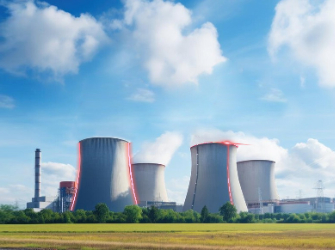
Thermal power, or thermal electricity generation, refers to the process of converting thermal energy generated by burning fossil fuels (such as coal, natural gas, and oil) into electrical energy. As a mature, stable, and large-scale power generation method, it plays a pivotal role in global energy supply systems. Despite the rapid development of renewable energy, thermal power remains irreplaceable due to its advantages of flexible operation, reliable output, and strong peak-shaving capacity. This article explores the core application areas of thermal power and its practical value, maintaining conciseness within the 1000-character range.
Meeting the daily electricity needs of urban and rural residents is one of the primary applications of thermal power. With the improvement of people's living standards, the demand for electricity in households—including lighting, air conditioning, kitchen appliances, and electronic devices—continues to grow. Thermal power plants, with their stable power generation capacity, can provide a continuous and reliable electricity supply to ensure the normal operation of residential electrical equipment.
In areas where renewable energy (such as wind and solar) is unstable due to weather conditions, thermal power acts as a "backup power source." For example, during periods of little wind or no sunlight, thermal power plants can quickly adjust their output to make up for the shortage of renewable energy, ensuring that residents' electricity use is not interrupted. In rural areas with underdeveloped power grids, small and medium-sized thermal power plants also play a vital role in bridging the gap in electricity supply.
Industrial production is a major consumer of electricity, and thermal power is the main source of power support for various industries. Large-scale industrial sectors such as manufacturing, metallurgy, chemical engineering, and machinery processing require a large amount of continuous and stable electricity to drive production equipment. Thermal power plants, with their large generating capacity and flexible adjustment capabilities, can meet the high-power and continuous power demand of industrial production.
For high-energy-consuming industries such as steel and non-ferrous metal smelting, the stability of electricity supply directly affects production efficiency and product quality. Thermal power's ability to maintain a stable output even under complex working conditions ensures the smooth progress of industrial production. In addition, some industrial enterprises with independent thermal power units can also realize cogeneration of heat and power, using the waste heat generated during power generation for production heating or domestic heating, improving energy utilization efficiency.
Thermal power plays a crucial role in power grid peak shaving and frequency regulation, which is essential for maintaining the stable operation of the power system. The electricity load of the power grid fluctuates with time: there are peak periods (such as morning and evening when residents use electricity intensively) and valley periods (such as late night when electricity demand is low). Thermal power plants can quickly adjust their power generation output according to the load changes of the power grid, reducing the gap between power supply and demand.
In terms of frequency regulation, the frequency of the power grid must be maintained within a specific range to ensure the normal operation of electrical equipment. When the power grid frequency fluctuates due to sudden changes in load or power supply, thermal power units can respond quickly by increasing or decreasing output to adjust the frequency back to the normal range. Compared with renewable energy, thermal power has faster response speed and stronger adjustment capacity in peak shaving and frequency regulation, making it an important "stabilizer" of the power grid.
Thermal power is widely used in emergency power supply scenarios due to its quick start-up and stable operation characteristics. In the event of natural disasters (such as earthquakes, floods, and typhoons) that cause damage to the power grid, mobile thermal power units can be quickly deployed to provide emergency electricity for disaster-stricken areas, supporting rescue work, medical treatment, and temporary living needs of residents.
In addition, thermal power is also applied in special scenarios such as remote areas, islands, and military bases where the power grid is inaccessible or unstable. Small-scale thermal power units (such as diesel generators) can provide independent and reliable power supply in these areas, ensuring the normal operation of communication equipment, military facilities, and daily life services. In some cold regions, thermal power cogeneration systems can also provide heating for residents and public buildings, realizing the integrated supply of heat and electricity.
Hot Products
Latest Application