

+86 185 4892 6888

Oct. 23, 2026
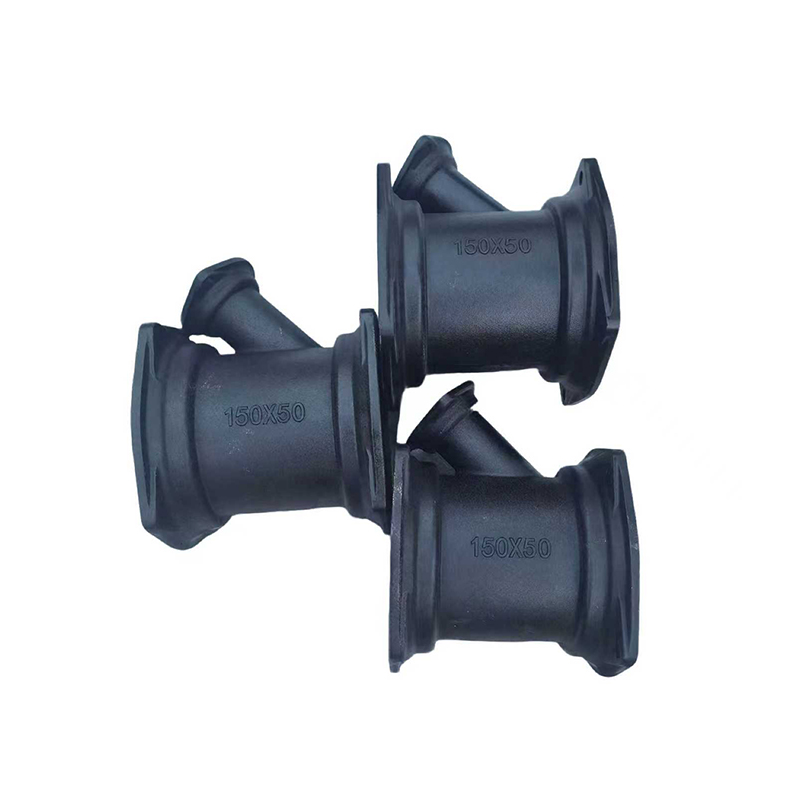
Ductile iron pipe fittings provide distinct advantages over malleable iron alternatives in various applications. These advantages significantly impact the durability, cost-effectiveness, and performance of the fittings. In many scenarios, the strength and flexibility of ductile iron outperform malleable iron. This leads to better resistance to cracking and failure in demanding environments. Understanding these differences can help decision-makers choose the best option for their pipe fitting needs.

**Ductile iron pipe fittings outperform malleable iron alternatives in terms of strength, flexibility, and resistance to corrosion.** These qualities make ductile iron a superior choice for various applications, especially those that require long-lasting and durable solutions.
Ductile iron fittings are commonly used in water distribution systems. With a strength of approximately 60,000 psi, ductile iron can handle high-pressure situations better than malleable iron, which excels at around 45,000 psi. This makes ductile iron a preferred choice in municipal water projects.
Wastewater treatment facilities rely on ductile iron for its corrosion resistance and durability. The fittings can withstand harsh chemical environments, reducing maintenance costs significantly. In fact, ductile iron fittings have a lifespan of over 50 years in such conditions, compared to malleable iron, which can corrode more rapidly.
In industrial settings, ductile iron is the material of choice for pipe fittings. Its mechanical properties allow for easier installation and less downtime. A flow study indicated that ductile iron could reduce leak rates by up to 30% compared to malleable iron. This statistic highlights its efficiency in high-demand scenarios.
For fire protection systems, the reliability of ductile iron fittings is crucial. They maintain integrity under high pressure and temperature, which is vital during emergencies. Malleable iron can be less reliable under such extreme conditions, posing risks in safety-critical setups.
Ductile iron has also found its application in oil and gas pipelines. The fittings often endure high pressures and various environmental factors. Ductile iron’s superior resistance to stress and fatigue makes it a safer option that minimizes the risk of leaks or failures, unlike malleable iron.
In summary, ductile iron pipe fittings clearly outperform malleable iron alternatives in critical applications. Their strength, flexibility, and resistance to corrosion make them more reliable for water distribution, wastewater treatment, industrial use, fire protection, and oil and gas pipelines. By understanding the benefits of ductile iron fittings, professionals can make informed decisions that lead to greater efficiency and safety.
Q1: What is the main difference between ductile iron and malleable iron?
A1: Ductile iron offers greater strength and flexibility than malleable iron, making it less prone to cracking.
Q2: How long do ductile iron pipe fittings last?
A2: Ductile iron fittings can last over 50 years, especially in harsh environments, while malleable iron may corrode more rapidly.
Q3: Are ductile iron fittings more expensive?
A3: While ductile iron fittings might have a higher initial cost, their longevity and performance can lead to lower maintenance costs over time.
Q4: Can ductile iron fittings be used for high-pressure applications?
A4: Yes, ductile iron fittings are well-suited for high-pressure applications due to their high tensile strength.
Q5: Where are ductile iron pipe fittings typically used?
A5: They are commonly used in water distribution systems, wastewater treatment facilities, industrial settings, fire protection systems, and oil and gas pipelines.
Latest News
Oct. 23, 2026
Cost Comparison: When Malleable Iron Fittings Offer Better Value Than Ductile Iron Alternatives
Oct. 23, 2026
Application Scenarios Where Ductile Iron Pipe Fittings Outperform Malleable Iron Alternatives
Oct. 23, 2026
Which Pipe Fitting Material Performs Better in High-Pressure Water and Gas Distribution Systems?
Oct. 22, 2026
Common Sizing and Compatibility Mistakes When Specifying Pipe Fittings for Industrial Pipelines
Hot Products