

+86 185 4892 6888

Jan. 01, 1970
For manufacturers and distributors in cold climates, ensuring the durability and functionality of pipe fittings and valves during harsh winters is vital. Understanding the best practices for winterizing these installations can save significant costs and avoid operational failures. In this guide, we will explore effective methods to winterize pipe fittings and valves, addressing user pain points and best practices for ensuring robust performance in cold weather.
Cold climates pose unique challenges for pipe fitting systems. Temperature drops below freezing can lead to freezing of water within pipes, expansion, and potential rupture. Key aspects include:
Choosing the right material is critical. Ductile iron is known for its strength and resistance to environmental conditions, making it an optimal choice for cold-weather applications.
Pipe fittings and valves are particularly vulnerable during the winter months. Recognizing their weaknesses helps in preventive measures. The vulnerabilities include:
Corrosion not only impacts aesthetics but also compromises the structural integrity of fittings. Regular inspections can mitigate these issues.
Effectively winterizing pipe fittings and valves requires a multi-faceted approach:
1. Select high-quality insulation material such as foam or fiberglass.
2. Measure and cut insulation to fit pipe dimensions, ensuring tight seals.
3. Secure insulation with duct tape or adhesive, avoiding gaps.
4. Double-check for any exposed areas to ensure complete coverage.
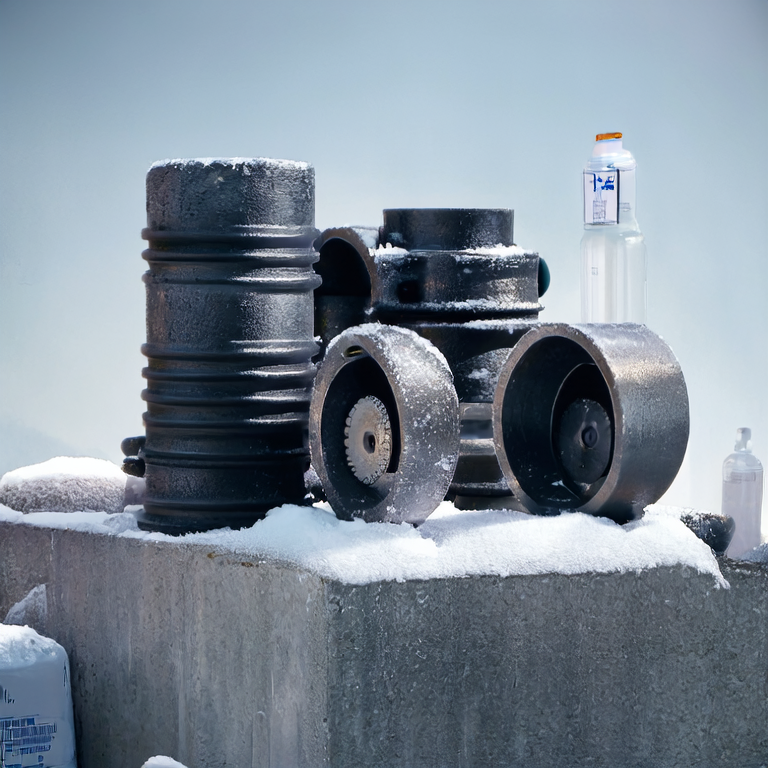
Using appropriate materials is crucial in cold climates. The following table summarizes the best options:
| Material Type | Benefits | Drawbacks |
|---|---|---|
| Ductile Iron | High strength, corrosion-resistant | Heavier than plastic alternatives |
| Plastic | Lightweight, resistant to corrosion | Less durable in extreme temperatures |
| Stainless Steel | High corrosion resistance | More expensive |
Winterizing pipe fittings and valves in cold climates is essential for maintaining their functionality and longevity. By following best practices, utilizing effective materials, and understanding vulnerabilities, businesses can avoid costly repairs and enhance the reliability of their systems. Winterization is not just a preventive measure – it is a smart investment for any organization operating in challenging climates.
Latest News
Sep. 28, 2026
How to Specify Industrial Valves for Fire Protection, Water Treatment, and HVAC Applications
Sep. 28, 2026
How to Define Technical Drawings and Specifications When Ordering OEM Cast Iron Fittings
Sep. 24, 2026
When to Use Threaded Pipe Fittings vs Grooved Systems Based on Pipe Diameter and Application
Sep. 24, 2026
How Grooved Pipe Fittings Reduce Installation Time in Large-Scale HVAC and Industrial Projects
Hot Products