

+86 185 4892 6888

Jan. 01, 1970
Industrial valves can be manufactured using various materials, including cast iron, ductile iron, and carbon steel. Choosing the right body material is critical for performance and longevity. This guide will help you understand the differences and applications of these materials, ensuring you make an informed decision for your industrial valve needs.
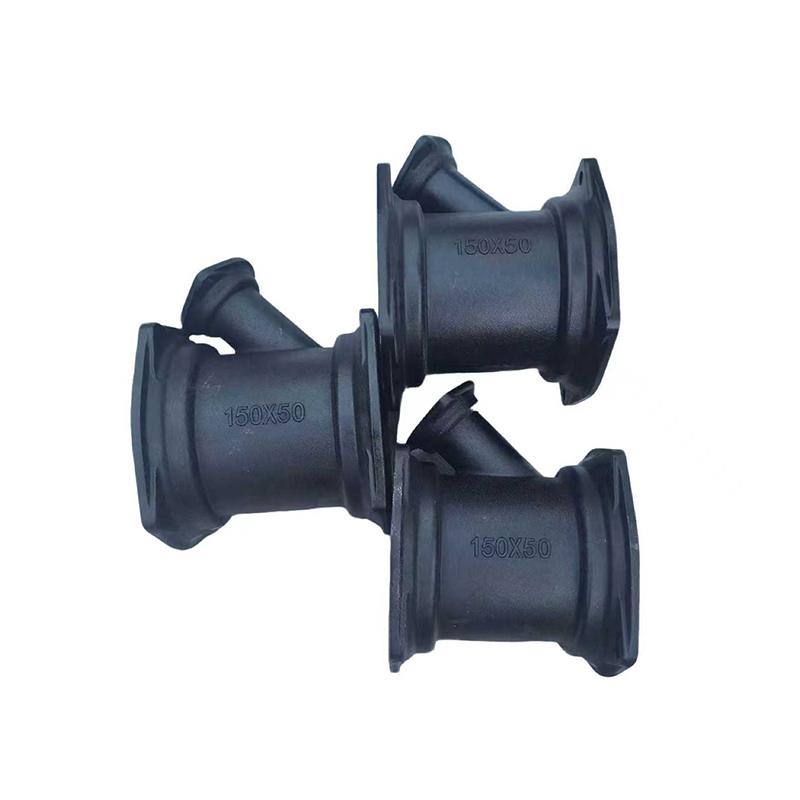
Cast iron is a group of iron-carbon alloys with a carbon content greater than 2%. It offers excellent wear resistance and good fluid flow properties. Commonly used in valves for sewage and water supply systems, cast iron is favored for its durability.
Cast iron has several advantages, including:
Cast iron valves are commonly found in:
Ductile iron, also known as spheroidal graphite iron, is a type of cast iron. It is characterized by its high strength and ductility, making it an ideal choice for applications requiring flexibility and toughness.
Ductile iron offers unique benefits, such as:
This material is often used in:
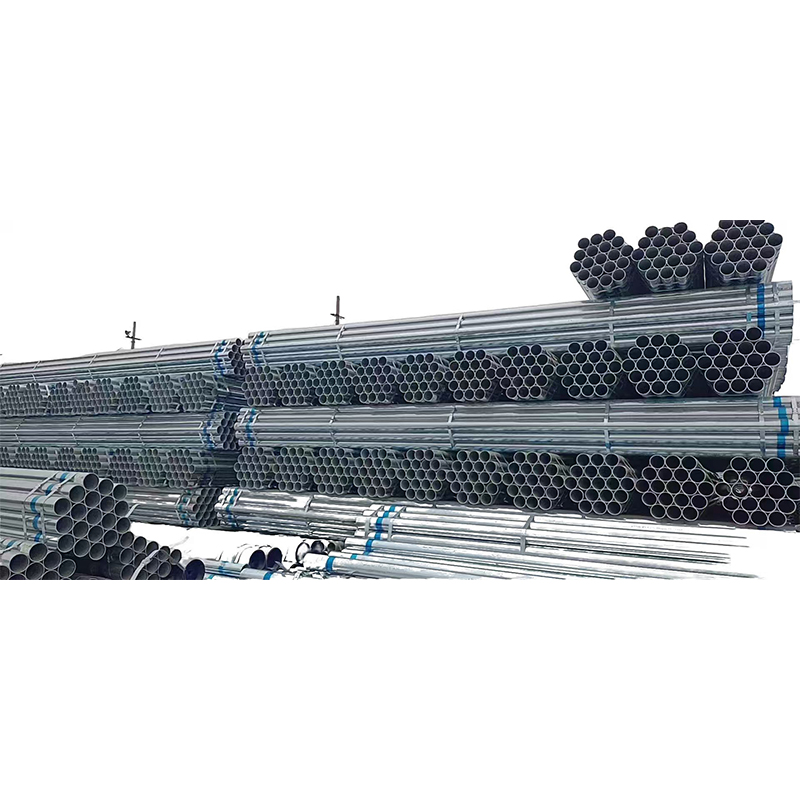
Carbon steel is composed mainly of iron and carbon and is known for its high tensile strength. It is widely used in various industrial applications, including valve manufacturing, due to its robustness.
Some key benefits are:
Carbon steel valves are frequently found in:
| Property | Cast Iron | Ductile Iron | Carbon Steel |
|---|---|---|---|
| Tensile Strength | Very Good | Excellent | Good |
| Corrosion Resistance | Moderate | Moderate to High | Low |
| Weight | Heavier | Somewhat lighter | Lighter |
| Cost | Moderate | Higher | Low |
When selecting the right material, consider the following steps:
Choosing the right body material for industrial valves is crucial for ensuring performance, durability, and cost-effectiveness. By understanding the differences among cast iron, ductile iron, and carbon steel, you can make an informed choice that aligns with your operational needs. Make sure to consult with industry professionals and consider the applications to reach the best decision.
Latest News
Sep. 28, 2026
How to Specify Industrial Valves for Fire Protection, Water Treatment, and HVAC Applications
Sep. 28, 2026
How to Define Technical Drawings and Specifications When Ordering OEM Cast Iron Fittings
Sep. 24, 2026
When to Use Threaded Pipe Fittings vs Grooved Systems Based on Pipe Diameter and Application
Sep. 24, 2026
How Grooved Pipe Fittings Reduce Installation Time in Large-Scale HVAC and Industrial Projects
Hot Products