

+86 185 4892 6888

Jun. 23, 2026
Ductile Iron Pipes are high-strength metal pipes widely used in water transmission, wastewater systems, and industrial pipelines. They are manufactured using spheroidal graphite iron, which provides excellent toughness and pressure resistance.
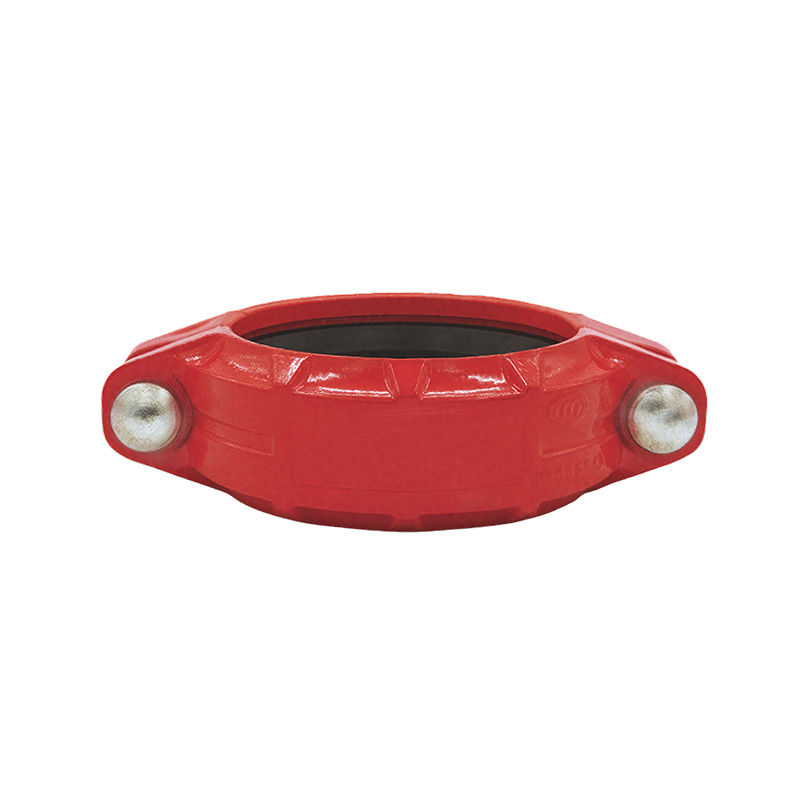
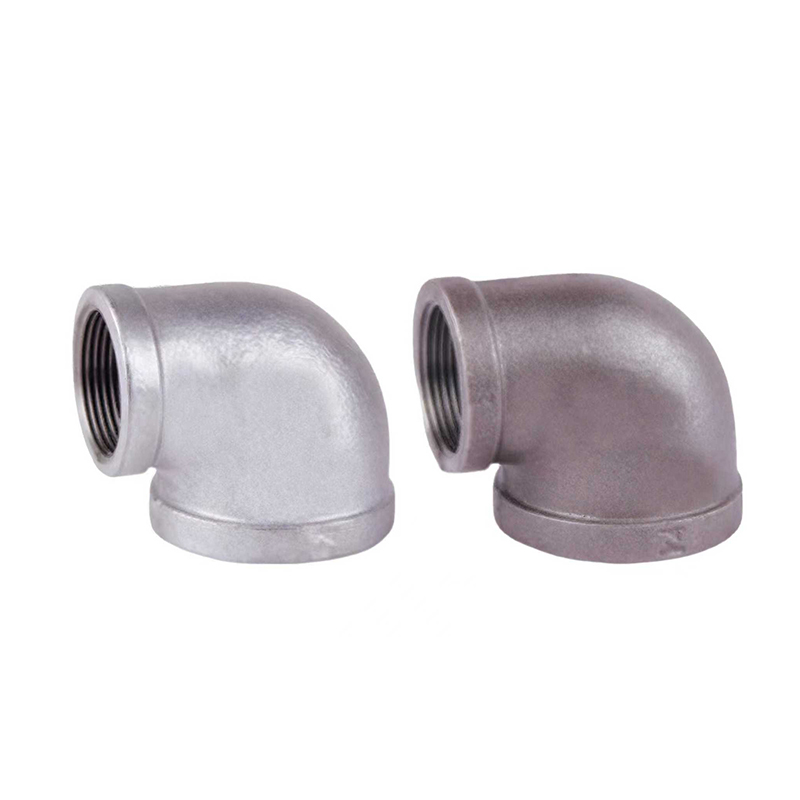
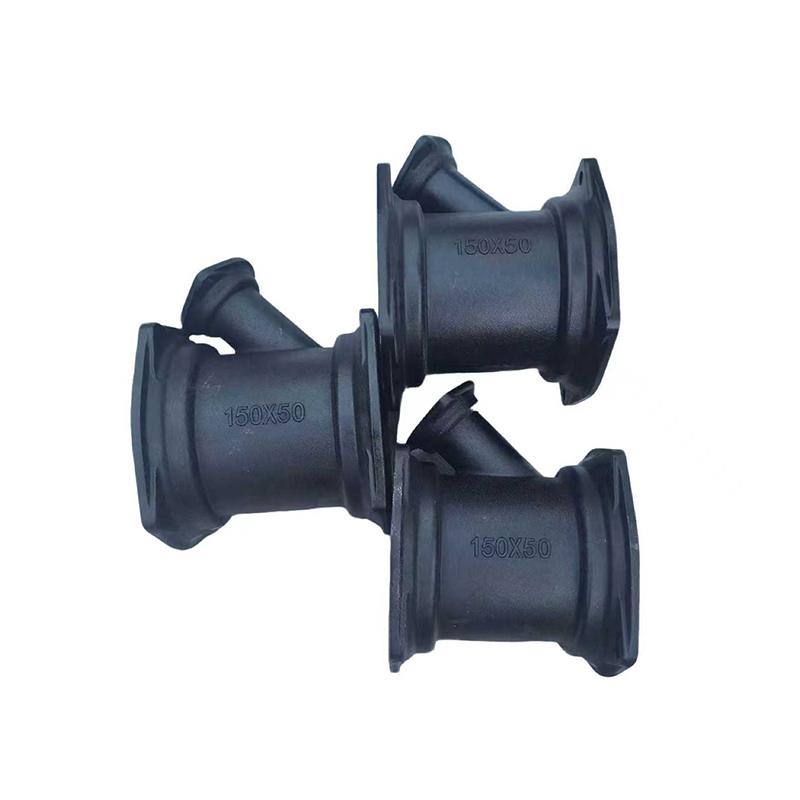
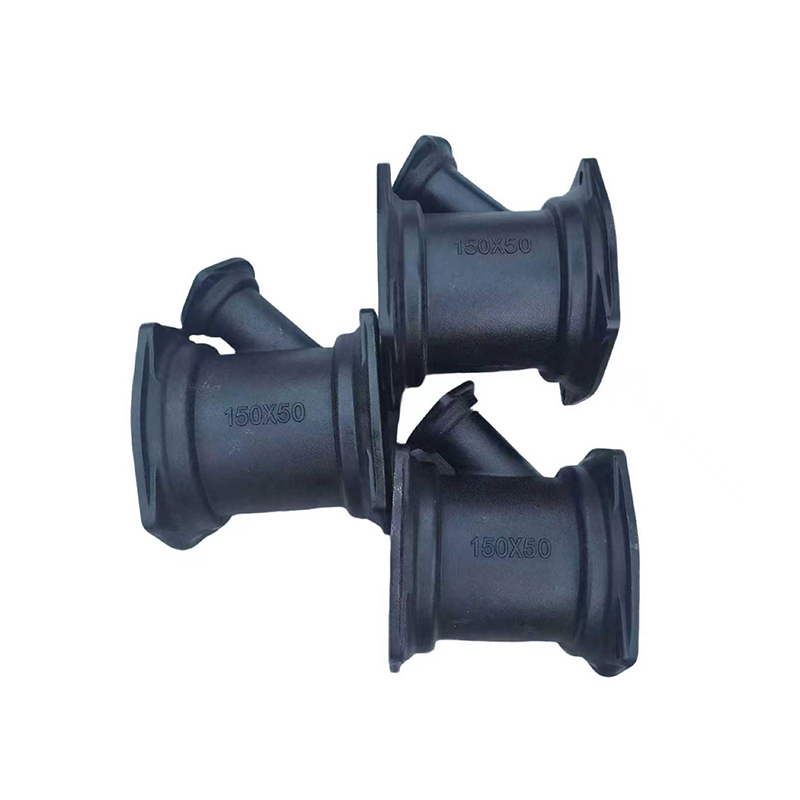
A complete piping system usually includes Ductile Iron Pipe Fittings, such as bends, tees, reducers, flanges, and couplings, ensuring flexible installation across complex pipeline layouts.
Key advantages include:
High pressure resistance
Excellent impact strength
Long service life
Suitable for large-diameter pipelines
Strong performance in underground installation
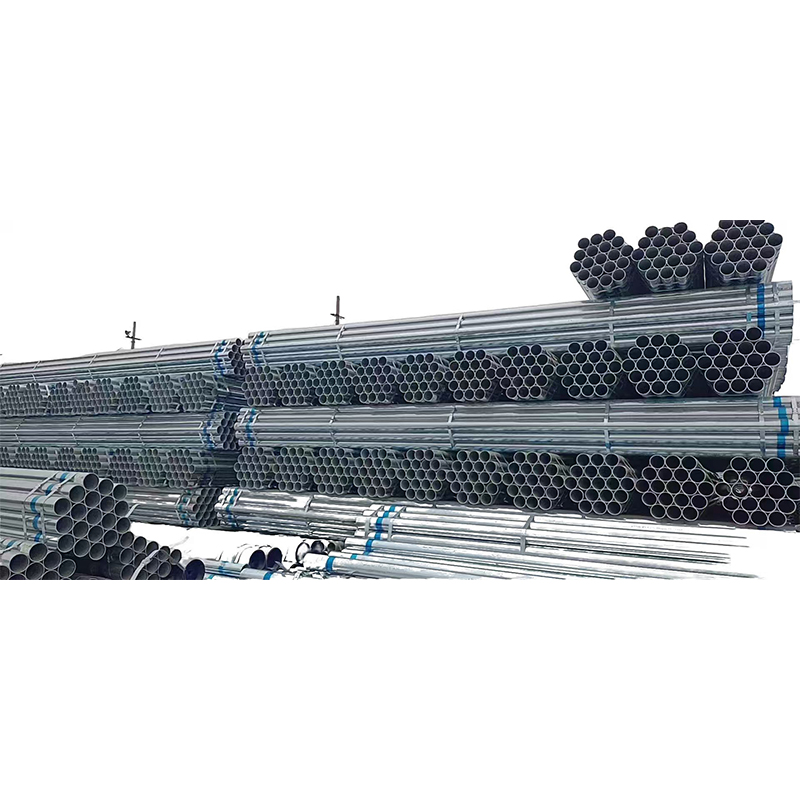
PVC (Polyvinyl Chloride) pipes are lightweight plastic pipes commonly used in residential water supply, drainage, and irrigation systems.
Compared to metal systems, PVC is easier to handle and install but has different performance limitations.
Key advantages include:
Lightweight and easy installation
Lower material cost
Corrosion-resistant
Smooth internal surface for flow efficiency
Ductile Iron Pipes offer significantly higher mechanical strength, making them suitable for high-pressure and heavy-load environments such as highways, industrial zones, and municipal trunk lines.
PVC pipes, while durable in low-pressure systems, may deform under extreme external loads.
In high-pressure water transmission systems, ductile iron clearly outperforms PVC due to its structural strength and impact resistance.
This is why engineers often prefer ductile iron in critical infrastructure projects.
PVC pipes are easier and faster to install due to their lightweight structure.
However, ductile iron systems, combined with Ductile Iron Pipe Fittings, provide more stable long-term performance, especially in large-scale municipal projects.
Both systems can last decades, but ductile iron pipes generally perform better in harsh environments such as:
Urban road crossings
Underground deep burial systems
High-load traffic zones
A complete pipeline network depends heavily on Ductile Iron Pipe Fittings for flexibility and reliability.
Common fittings include:
Flanged bends
Mechanical joints
Couplings
T-joints
Reducers
These fittings ensure:
Easy system expansion
Secure leak-proof connections
Better adaptability in complex terrains
Without high-quality Ductile Iron Pipe Fittings, even the best pipe system may face performance issues.
The answer depends on application:
For high-pressure municipal and industrial systems → Ductile Iron Pipes are better
For low-cost residential and irrigation systems → PVC Pipes are more economical
In many modern infrastructure projects, engineers often use a hybrid system combining both materials depending on pressure zones.
In the comparison of Ductile Iron Pipes vs PVC Pipes, there is no absolute winner. The right choice depends on project requirements, budget, pressure conditions, and long-term maintenance strategy.
However, when durability, safety, and heavy-duty performance are critical, ductile iron systems combined with high-quality Ductile Iron Pipe Fittings remain the preferred choice for infrastructure engineers worldwide.
Latest News
Sep. 28, 2026
How to Specify Industrial Valves for Fire Protection, Water Treatment, and HVAC Applications
Sep. 28, 2026
How to Define Technical Drawings and Specifications When Ordering OEM Cast Iron Fittings
Sep. 24, 2026
When to Use Threaded Pipe Fittings vs Grooved Systems Based on Pipe Diameter and Application
Sep. 24, 2026
How Grooved Pipe Fittings Reduce Installation Time in Large-Scale HVAC and Industrial Projects
Hot Products