

+86 185 4892 6888

Jan. 01, 1970
Understanding the differences between gate valves, ball valves, and butterfly valves is crucial for successful pipeline management in industries. Valves are essential components used to control fluid flow in various applications, and the choice of the right valve affects efficiency and safety. Selecting the appropriate valve type can be challenging, especially considering factors such as pressure conditions, flow rates, and system types. This guide will equip you with the necessary insights to make an informed decision for your pipeline system.
| Valve Type | Operation | Applications | Advantages | Disadvantages |
|---|---|---|---|---|
| Gate Valve | Linear motion | On/Off applications | Low pressure drop | Slow operation |
| Ball Valve | Quarter-turn | On/Off and throttling | Fast operation | Limited throttling capabilities |
| Butterfly Valve | Quarter-turn | Flow regulation | Compact design | Higher pressure drop |
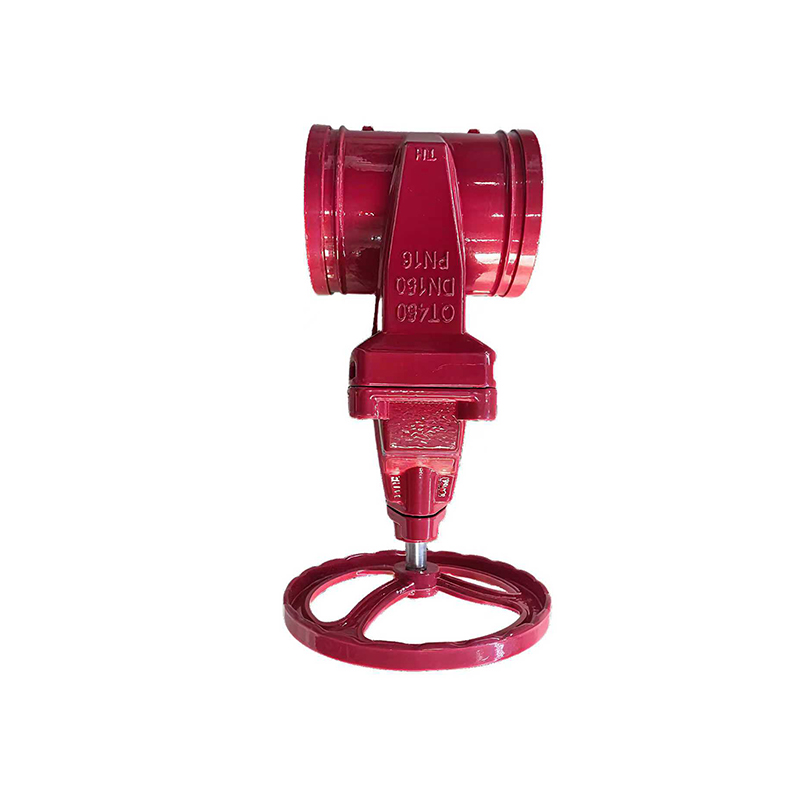
Gate valves are designed to provide a straight flow path and are primarily used for on/off control. They are widely utilized in large pipelines where the pressure drop must remain low. Gate valves consist of a wedge-shaped gate that moves vertically to open or close the flow. They are not suitable for throttling applications due to their design.
Ball valves are known for their quick operation and are ideal for on/off applications, as they operate with a quarter-turn. They are versatile and can be used with a variety of fluids, including gases and corrosive liquids. The spherical closure element helps reduce flow resistance, making them highly efficient for both flow control and throttling.
Butterfly valves are lightweight and feature a rotating disc mechanism, making them easy to use for flow regulation. They are especially suitable for large pipeline systems that require quick opening and closing. The compact design allows for easy installation in tight spaces, although they may present higher pressure drops compared to other valve types.
When selecting a valve for your pipeline system, consider the following key factors:
Follow this flowchart to guide your decision-making process:
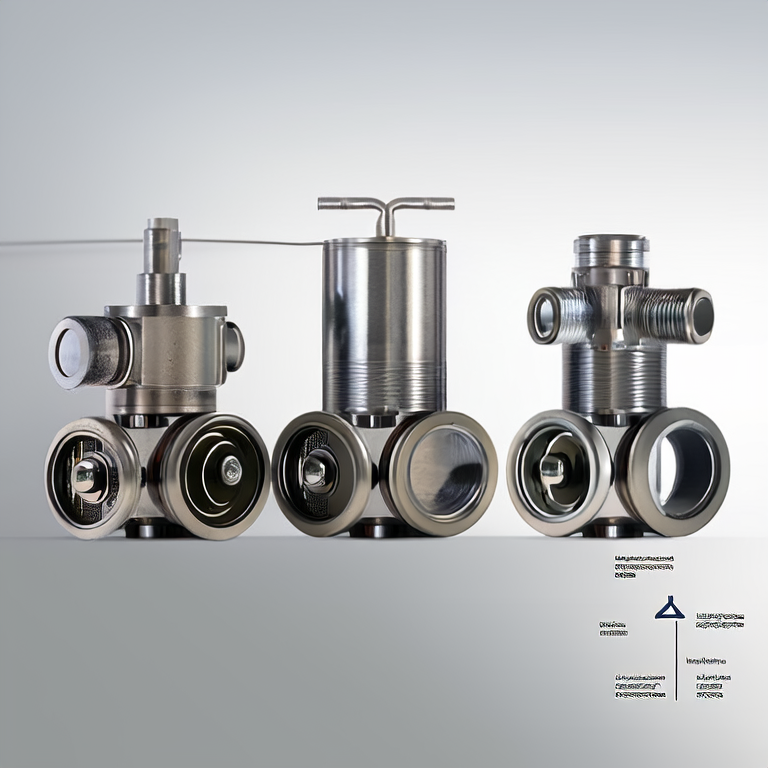
Choosing the correct valve type for your industrial pipeline system is paramount for operational efficiency and safety. Gate valves, ball valves, and butterfly valves each have unique advantages that cater to different flow requirements and applications. By understanding their features, operations, and applications, you can make an informed decision that best fits your needs and enhances your pipeline's performance.
Latest News
Sep. 28, 2026
How to Specify Industrial Valves for Fire Protection, Water Treatment, and HVAC Applications
Sep. 28, 2026
How to Define Technical Drawings and Specifications When Ordering OEM Cast Iron Fittings
Sep. 24, 2026
When to Use Threaded Pipe Fittings vs Grooved Systems Based on Pipe Diameter and Application
Sep. 24, 2026
How Grooved Pipe Fittings Reduce Installation Time in Large-Scale HVAC and Industrial Projects
Hot Products