

+86 185 4892 6888

Jan. 01, 1970
Choosing the right pipe fitting material is crucial for managing long-term maintenance costs within industrial systems. Factors such as durability, corrosion resistance, and overall material performance are key considerations. The selection impacts operational efficiency, which influences maintenance expenditure. This article explores how different materials like ductile iron, PVC, and stainless steel can affect your maintenance costs, providing valuable insights into optimizing your industrial systems.
The choice of pipe fitting material directly influences several factors:
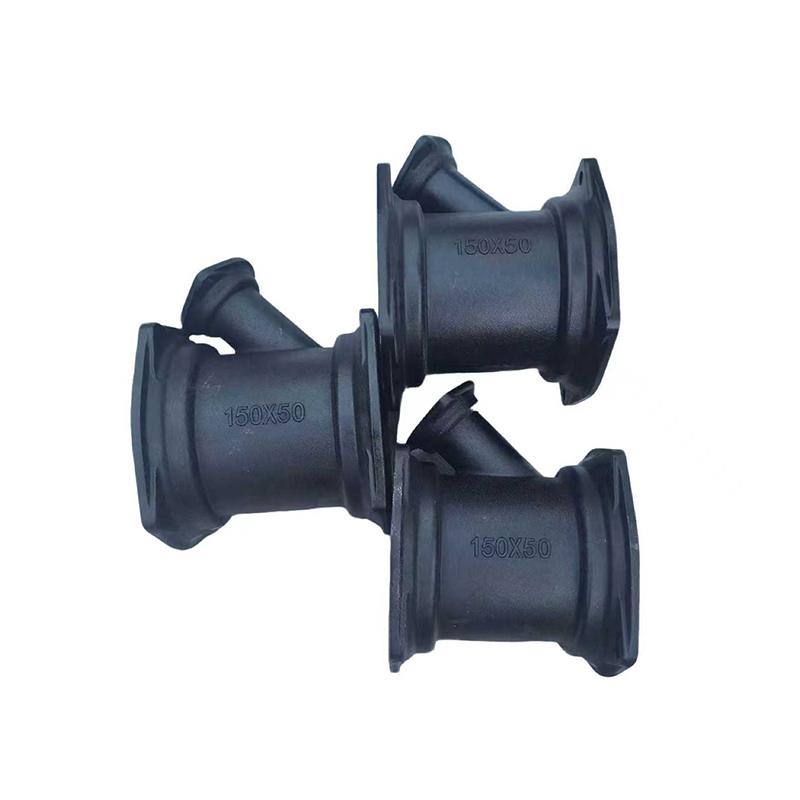
Durable materials such as ductile iron can extend the lifespan of pipe fittings significantly, thus reducing the need for frequent replacements.
Materials with higher corrosion resistance can lead to lower maintenance costs, as they need less frequent repairs.
It is essential to ensure that the material chosen is compatible with the type of fluids being transported to avoid costly maintenance.
While ductile iron fittings may have higher upfront costs, their longevity typically results in lower lifetime expenses.
The choice of material can significantly affect both initial investment and ongoing maintenance costs:
| Property | Value |
|---|---|
| Average Lifespan | 50 years |
| Corrosion Resistance | Moderate |
| Installation Cost | Moderate |
| Maintenance Frequency | Low |
| Property | Value |
|---|---|
| Average Lifespan | 20 years |
| Corrosion Resistance | High |
| Installation Cost | Low |
| Maintenance Frequency | Medium |
| Property | Value |
|---|---|
| Average Lifespan | 75 years |
| Corrosion Resistance | Very High |
| Installation Cost | High |
| Maintenance Frequency | Very Low |
Analyzing real-world applications can highlight cost differences based on material choice:
By using ductile iron for critical infrastructure, Plant A cut down downtime and maintenance costs, highlighting the importance of material choice.
The shift to PVC resulted in a higher overall expenditure on replacements, underscoring the hidden costs of choosing lower-quality materials.
The longevity of pipe fittings is directly proportional to maintenance schedules:
Ductile iron fittings allow for reduced preventive maintenance schedules due to their long lifespan and robustness.
A higher initial investment in quality materials like stainless steel often results in lower total lifecycle costs due to minimal maintenance.
In conclusion, the choice of pipe fitting material plays a critical role in determining long-term maintenance costs in industrial systems. Opting for materials such as ductile iron or stainless steel can lead to significant savings over time when considering both durability and maintenance frequency. Conducting an analysis based on your specific operational needs can help you select the most cost-effective materials for your industrial applications.
Latest News
Sep. 28, 2026
How to Specify Industrial Valves for Fire Protection, Water Treatment, and HVAC Applications
Sep. 28, 2026
How to Define Technical Drawings and Specifications When Ordering OEM Cast Iron Fittings
Sep. 24, 2026
When to Use Threaded Pipe Fittings vs Grooved Systems Based on Pipe Diameter and Application
Sep. 24, 2026
How Grooved Pipe Fittings Reduce Installation Time in Large-Scale HVAC and Industrial Projects
Hot Products