

+86 185 4892 6888

Jan. 01, 1970
Choosing the right industrial valve depends heavily on pressure class and temperature rating. Many industries face issues like leaks or valve failures due to incorrect selections. These problems stem from not fully understanding how either factor influences valve performance. A clear grasp of pressure classes, temperature ratings, and their impact can enhance operational safety and efficiency. Ensuring selected valves meet system requirements is critical to avoiding costly downtime.
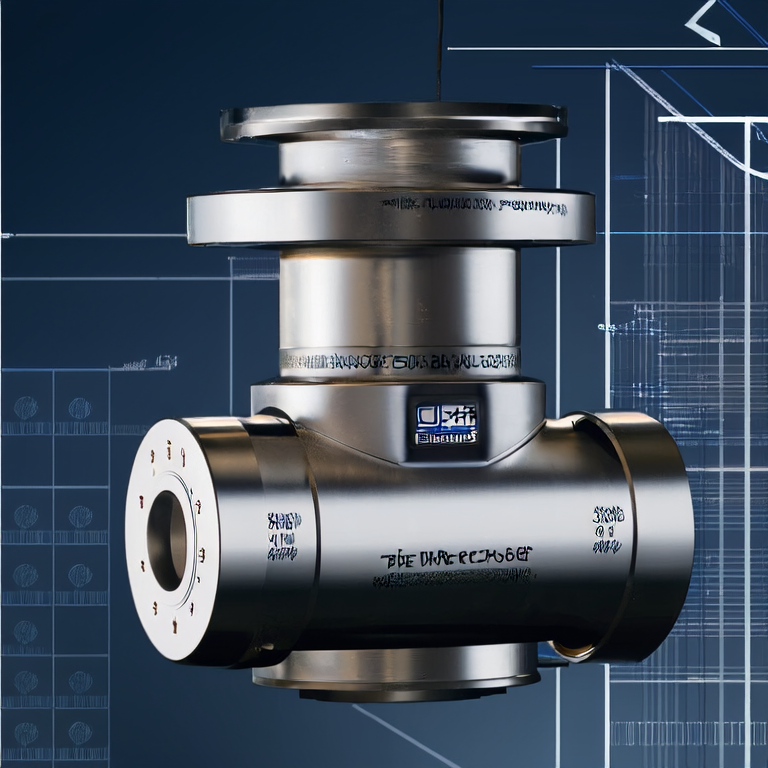
The primary factors to consider when selecting industrial valves are pressure class and temperature rating. These specifications determine the valve's capability to handle fluids safely and effectively.
Pressure class is a measure that indicates the maximum pressure a valve can handle. Common classes include ANSI 150, ANSI 300, and ANSI 600. Each class is designed for different pressure ranges and conditions.
| Pressure Class | Maximum Pressure (psi) | Typical Applications |
|---|---|---|
| ANSI 150 | 285 | Water, Oil |
| ANSI 300 | 720 | Steam |
| ANSI 600 | 1440 | Gas |
Temperature rating signifies the highest temperature at which a valve operates effectively. Incorrect ratings can lead to valve failure, leakage, or safety hazards.
Step 1: Identify the service temperature.
Step 2: Consult valve manufacturer specifications.
Step 3: Match valve capability to service requirements.
When selecting an industrial valve, consider pressure, temperature, fluid type, and environment. Each factor plays a role in long-term performance and reliability.
An oil refinery faced continuous leaks due to selecting valves with inadequate pressure ratings. After adjusting their selection process, they reduced downtime by 25%.
In summary, understanding how pressure class and temperature rating influence industrial valve selection is essential for optimal operation. Selecting the right valves based on these criteria can greatly reduce risks, improve safety, and enhance efficiency.
Q: What is the pressure class of a valve?
A: The pressure class indicates the maximum safe pressure a valve can withstand during operation.
Q: Why is temperature rating important?
A: The temperature rating helps ensure that the valve can safely handle the fluid’s operating temperature without failing.
Q: How can I be sure I'm choosing the right valve?
A: Always match the pressure class and temperature ratings to your system's requirements, and consult with manufacturers when necessary.
Latest News
Sep. 28, 2026
How to Specify Industrial Valves for Fire Protection, Water Treatment, and HVAC Applications
Sep. 28, 2026
How to Define Technical Drawings and Specifications When Ordering OEM Cast Iron Fittings
Sep. 24, 2026
When to Use Threaded Pipe Fittings vs Grooved Systems Based on Pipe Diameter and Application
Sep. 24, 2026
How Grooved Pipe Fittings Reduce Installation Time in Large-Scale HVAC and Industrial Projects
Hot Products