





Introduction
Pipe fittings can be tricky to import, especially when sourcing from a Pipe Fittings Manufacturer in China. Many importers face issues such as poor quality, incorrect specifications, and unexpected delays. These problems can lead to financial losses and project delays. To combat these risks, third-party inspection and pre-shipment testing come into play. These processes ensure that the pipe fittings meet the required standards and specifications. By using a reliable inspection service, importers gain peace of mind regarding their orders.
Summary Answer
**Third-party inspection and pre-shipment testing provide essential protection for pipe fitting import orders. They help ensure that the products meet quality standards before shipment. This process significantly reduces risks associated with importing from overseas suppliers.**
1. Importance of Third-Party Inspection
Quality Assurance and Compliance
Third-party inspections verify that the pipe fittings comply with international quality standards. This is critical for maintaining safety in industries such as construction and manufacturing.
2. Benefits of Pre-Shipment Testing
Identifying Defects Early
Pre-shipment testing helps identify defects before the products are shipped. This process saves time and money by addressing issues early in the supply chain.
3. Types of Inspections Offered
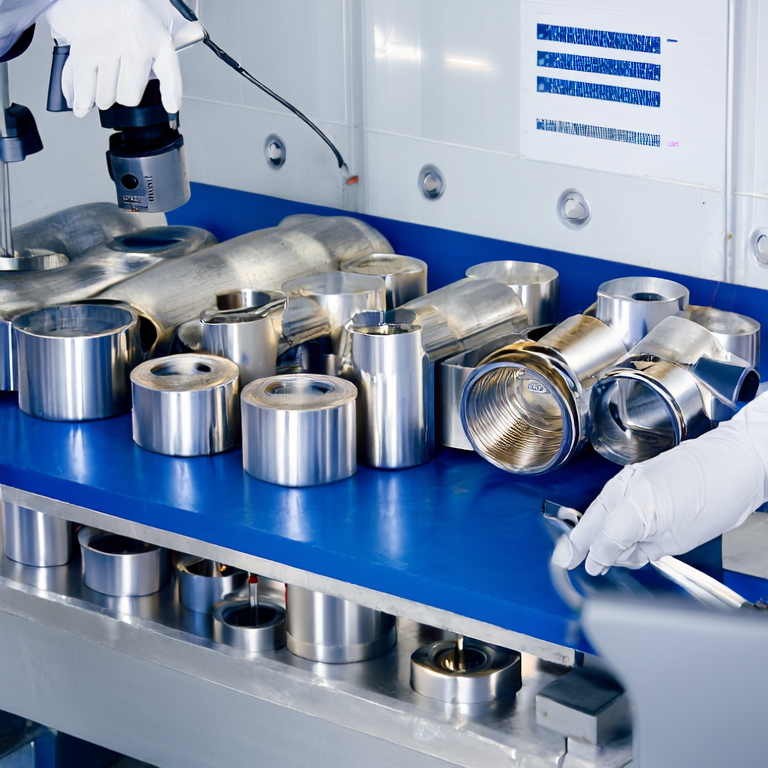
Visual and Dimensional Checks
These inspections ensure that the products match the specified dimensions and visual characteristics. They help confirm that the pipe fittings will fit correctly in their intended applications.
4. Steps in the Inspection Process
Detailed Workflow
Here is a step-by-step flowchart of the inspection process:
- Order Confirmation
- Initial Sampling
- Visual Inspection
- Dimension Verification
- Final Report Generation
Step-by-Step Inspection Process:
5. Cost-Effectiveness of Inspections
Long-Term Savings
Investing in third-party inspections can lead to significant long-term savings. Avoiding losses from defective products can outweigh the cost of inspections.
Conclusion
Overall, third-party inspection and pre-shipment testing are essential for protecting pipe fitting import orders. They help ensure quality, compliance, and correctness in specifications. By investing in these services, importers can reduce risks and ensure their supply chain operates smoothly.
FAQ
What is third-party inspection?
Third-party inspection is an independent assessment conducted by a neutral party to verify product quality and compliance with standards.
Why is pre-shipment testing necessary?
Pre-shipment testing is necessary to catch defects and ensure that the products meet the agreed-upon specifications before they are shipped.
How long does the inspection process take?
The inspection process can take anywhere from a few days to several weeks, depending on the volume of goods and the complexity of the checks.
Can I trust third-party inspection companies?
Yes, reputable third-party inspection companies have experience and credentials that ensure reliable assessments of your products.
What happens if my products fail inspection?
If products fail inspection, you will have the opportunity to address the issues before the goods are shipped.
Are inspections mandatory?
Inspections are not always mandatory but are highly recommended to ensure product quality and mitigate risks.