

+86 185 4892 6888

Sep. 28, 2026
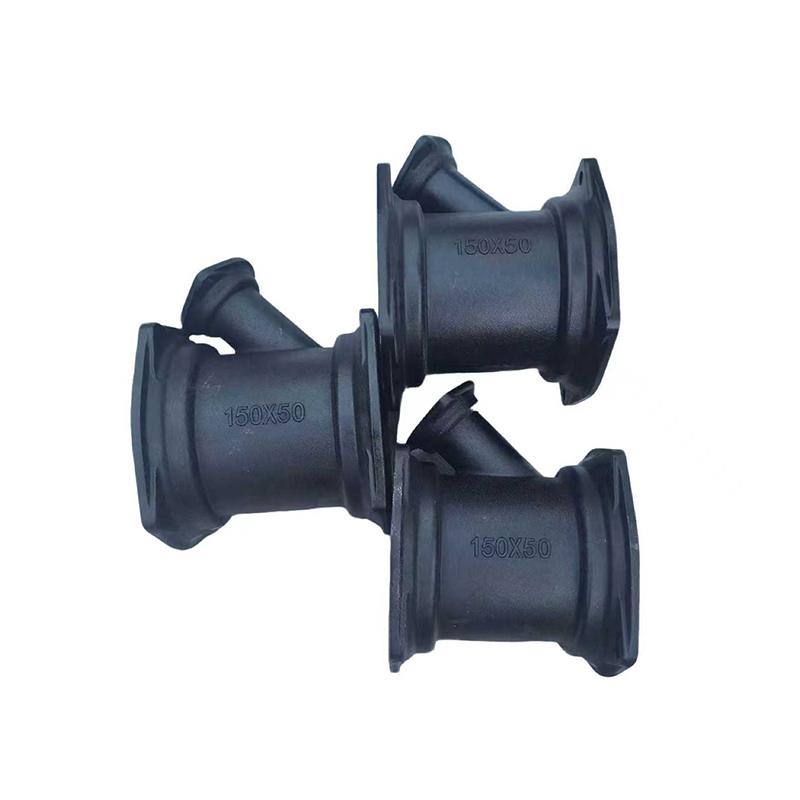
Ordering OEM cast iron pipe fittings can be challenging without clear technical drawings and specifications. Many customers face confusion when trying to communicate their needs. This can result in incorrect orders, wasted time, and increased costs. To avoid these issues, it is important to understand what defines technical drawings and specifications for OEM cast iron fittings. This knowledge will not only simplify the ordering process but can also enhance your project's efficiency. Relevant aspects include the types of fittings needed, their sizes, and the applicable standards.

To effectively order OEM cast iron fittings, you need to clearly define technical drawings and specifications. This includes understanding dimensions, materials, and necessary standards to ensure compatibility and quality.
Technical drawings are visual representations used to communicate how the fittings should be manufactured.
Understanding specifications and industry standards is critical.
There are several types of cast iron fittings.
Precision in technical drawings is crucial.
Engaging with manufacturers can clarify many uncertainties.
In conclusion, defining technical drawings and specifications is key when ordering OEM cast iron pipe fittings. Accurate details will help prevent misunderstandings and ensure a smoother process. By understanding your needs and communicating effectively, you can achieve successful outcomes in your projects.
1. What should I include in my technical drawing?
Include dimensions, material types, and specific standards applicable to your fittings.
2. Why are specifications important?
Specifications ensure that manufacturers produce parts that meet your needs, preventing mistakes.
3. How can I ensure precision in my order?
Carefully review all technical drawings and get feedback from experts before submission.
4. What are the common standards for cast iron fittings?
Common standards include ASTM and ANSI, which guide the manufacturing process.
5. Can I modify my order after placing it?
It is best to avoid changes after placing an order; however, consult your manufacturer for options.
Latest News
Sep. 28, 2026
How to Specify Industrial Valves for Fire Protection, Water Treatment, and HVAC Applications
Sep. 28, 2026
How to Define Technical Drawings and Specifications When Ordering OEM Cast Iron Fittings
Sep. 24, 2026
When to Use Threaded Pipe Fittings vs Grooved Systems Based on Pipe Diameter and Application
Sep. 24, 2026
How Grooved Pipe Fittings Reduce Installation Time in Large-Scale HVAC and Industrial Projects
Hot Products