

+86 185 4892 6888

Jun. 17, 2026
Importing pipe fittings from China is a common sourcing strategy for distributors, construction contractors, plumbing wholesalers, fire protection system suppliers, and industrial project buyers. China offers a wide range of malleable iron pipe fittings with competitive pricing, stable production capacity, and flexible OEM customization options.
However, importing successfully requires understanding suppliers, quality standards, logistics, and technical specifications. Without proper evaluation, buyers may face quality issues, delivery delays, or compliance risks.
This guide explains how to import pipe fittings from China safely and efficiently for long-term procurement success.
Many buyers face challenges when importing pipe fittings due to incomplete supplier evaluation or unclear technical requirements.
Common issues include:
Inconsistent thread standards (BSP vs NPT mismatch)
Poor galvanizing quality leading to corrosion
Leakage caused by low sealing precision
Delayed shipments affecting project schedules
Incorrect pressure ratings for system requirements
Non-compliant materials for industrial applications
These problems usually occur when buyers focus only on price instead of technical capability and manufacturing standards.
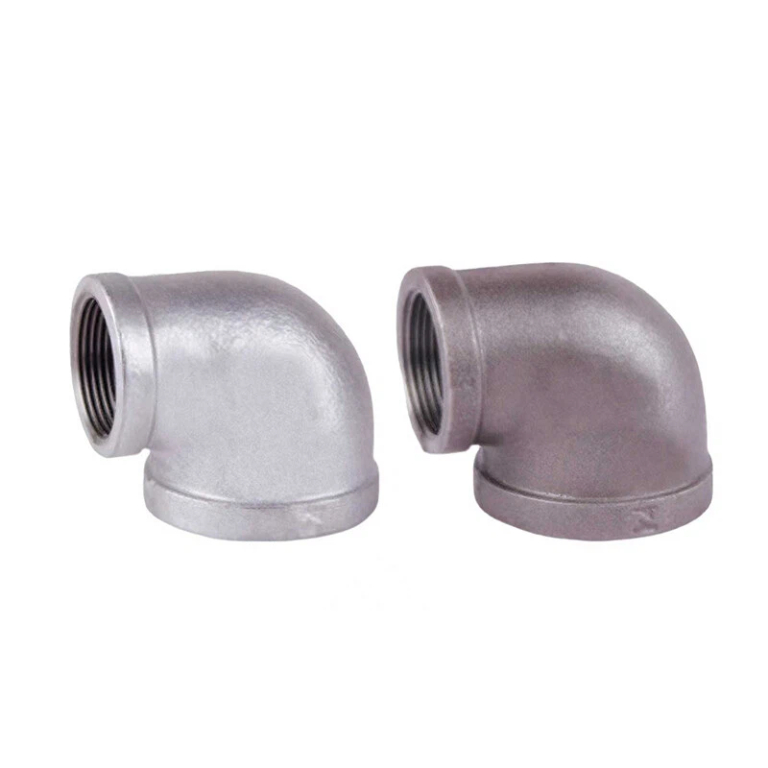
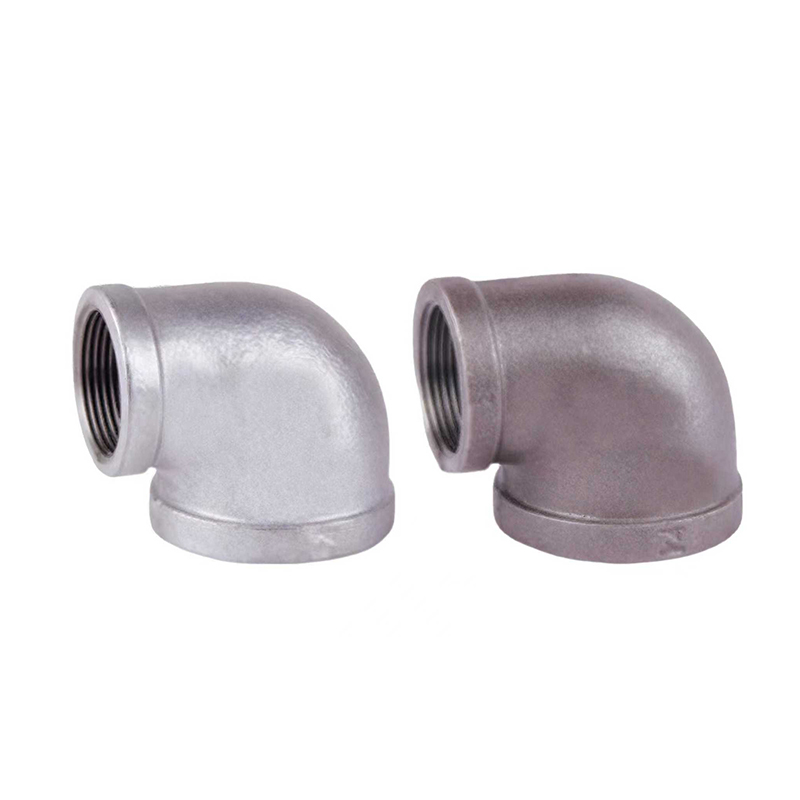
Malleable Iron Pipe Fitting-90-Degree Reducing Elbow
To ensure successful importing, buyers should evaluate several critical factors.
A reliable pipe fittings supplier should have:
Stable production capacity
Advanced casting and threading equipment
Consistent batch quality control
Experience in export markets
Important standards include:
ISO quality management systems
Pressure testing requirements
Thread standard compliance (BSP, NPT, DIN)
Galvanization standards for corrosion resistance
Pipe fittings must match system requirements precisely:
BSP (British Standard Pipe)
NPT (National Pipe Thread)
Metric threading systems
Incorrect thread selection can lead to installation failure.
A qualified supplier should provide:
Stable export packaging
Clear shipping documentation
Efficient lead time management
Experience with international freight forwarding
Selecting the right material and structure is essential for performance and durability.
Malleable iron is the most widely used material for industrial fittings.
Advantages include:
High strength and durability
Good pressure resistance
Suitable for threaded connections
Cost-effective for bulk projects
Galvanized coating improves corrosion resistance.
Benefits include:
Longer service life
Suitable for water and outdoor systems
Reduced maintenance requirements
Used mainly in gas and industrial systems where corrosion resistance is less critical.
Common fitting types include:
Elbow
Tee
Coupling
Socket
Reducer
Each structure is designed for specific pipeline configurations.
Many import issues can be avoided by understanding common sourcing mistakes.
Low-cost suppliers may compromise:
Material quality
Thread precision
Galvanization thickness
Mismatch between BSP and NPT is one of the most common installation failures.
Without testing samples, buyers may face unexpected leakage or fitting issues during installation.
Not all fittings are suitable for high-pressure systems such as fire protection or industrial pipelines.
Skipping factory audits increases risks of inconsistent production quality.
Before placing bulk orders, buyers should clearly define technical requirements.
Pipe diameter (DN or inch system)
Thread size
Wall thickness
Malleable iron grade
Carbon content standards
Coating type (galvanized or black)
Low pressure
Medium pressure
High pressure industrial use
BSP
NPT
ISO metric threads
Water systems
Fire protection systems
Gas pipelines
Industrial machinery
Clear specifications help suppliers provide accurate quotations and suitable product recommendations.
HuLu provides high-quality malleable iron pipe fittings designed for industrial, plumbing, and fire protection applications.
Key advantages include:
Advanced casting and threading technology
Strict dimensional accuracy control
Stable export-quality production
BSP and NPT compatibility options
Galvanized and black finish availability
OEM and bulk order support
Whether you are sourcing fittings for construction projects, industrial pipelines, or distribution business, HuLu offers reliable solutions for long-term procurement stability.
The safest method is to work with verified manufacturers, request samples, and confirm technical standards before bulk ordering.
Malleable iron is the most widely used material due to its strength and cost efficiency.
BSP is commonly used in Europe and Asia, while NPT is widely used in North America. They are not interchangeable.
Check certifications, request pressure test reports, and evaluate samples before mass production.
MOQ varies depending on size and type, but most manufacturers support flexible bulk ordering for export buyers.
Looking for a reliable pipe fittings supplier from China?
Contact HuLu today for technical consultation, OEM support, and competitive factory pricing.
Latest News
Sep. 28, 2026
How to Specify Industrial Valves for Fire Protection, Water Treatment, and HVAC Applications
Sep. 28, 2026
How to Define Technical Drawings and Specifications When Ordering OEM Cast Iron Fittings
Sep. 24, 2026
When to Use Threaded Pipe Fittings vs Grooved Systems Based on Pipe Diameter and Application
Sep. 24, 2026
How Grooved Pipe Fittings Reduce Installation Time in Large-Scale HVAC and Industrial Projects
Hot Products