

+86 185 4892 6888

Jan. 01, 1970
The problem of corrosion in cast iron pipe fittings and valves is significant. Corrosion can lead to leaks, reduced efficiency, and costly repairs. Detecting early signs of corrosion is crucial to maintaining infrastructure. Knowing how to inspect these components can save time and money. In this guide, we'll cover practical methods to identify corrosion effectively.
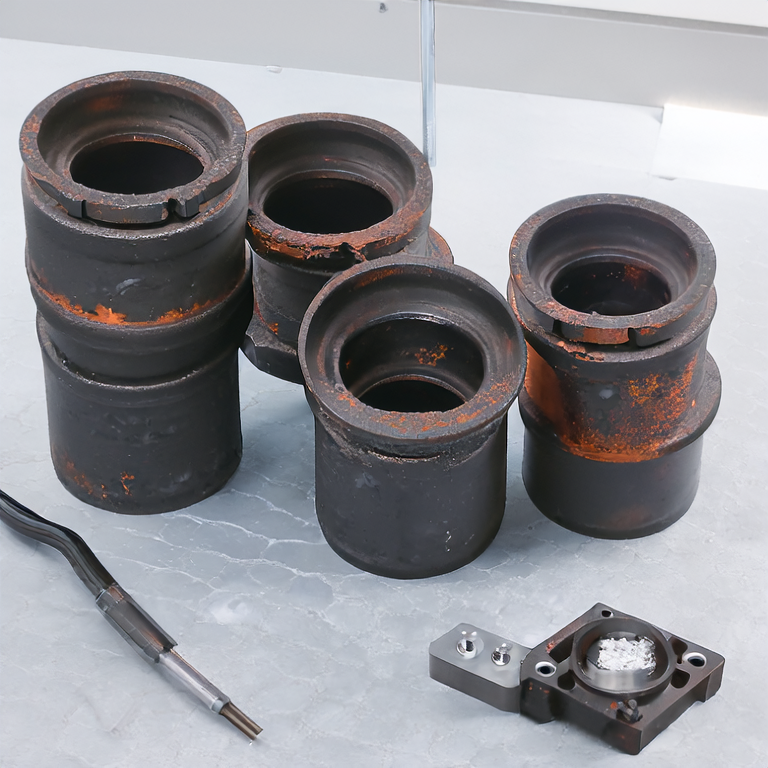
**To inspect and detect early signs of corrosion in cast iron pipe fittings and valves, regularly perform visual inspections, conduct ultrasonic testing, and utilize magnetism tests to identify compromised areas.**
Start with a thorough visual inspection. Look for rust spots, pitting, or discoloration on the surface. Use good lighting to see hidden defects. Record any findings for further analysis. It is essential to perform this step regularly to catch problems early.
Ultrasonic testing is a reliable method for detecting internal corrosion. This technique uses sound waves to measure wall thickness. If the walls are thinner than specified, there might be corrosion. Schedule these tests at regular intervals to assess conditions accurately.
Magnetism tests are useful in identifying corrosion in cast iron materials. By using a magnet, you can determine if there is a loss of material integrity. A weak magnetic response may indicate corrosion. This method is quick and non-destructive, making it a favored approach.
In summary, learning how to inspect and detect early signs of corrosion in cast iron pipe fittings and valves is essential for preserving their integrity and performance. Regular visual inspections, alongside ultrasonic and magnetism tests, can help identify corrosion before it leads to major failures. Staying proactive in maintenance is key to ensuring longevity in industrial valve applications.
Q1: How often should I inspect cast iron fittings and valves for corrosion?
A1: It is advisable to conduct inspections at least once a year, or more frequently if the environment is corrosive.
Q2: What are the signs of severe corrosion in fittings?
A2: Severe signs include deep pitting, large rust formations, leaks, or significant wall loss detected during ultrasonic testing.
Q3: Can I prevent corrosion in cast iron fittings?
A3: Yes, applying protective coatings, maintaining proper drainage, and regularly inspecting can help prevent corrosion.
Q4: Is ultrasonic testing costly?
A4: While there is an initial cost for equipment and expertise, ultrasonic testing can save money in the long run by preventing major repairs.
Q5: What is the best way to maintain cast iron pipe fittings?
A5: Regular inspections, keeping them clean, and applying protective coatings are effective maintenance practices.
Latest News
Sep. 28, 2026
How to Specify Industrial Valves for Fire Protection, Water Treatment, and HVAC Applications
Sep. 28, 2026
How to Define Technical Drawings and Specifications When Ordering OEM Cast Iron Fittings
Sep. 24, 2026
When to Use Threaded Pipe Fittings vs Grooved Systems Based on Pipe Diameter and Application
Sep. 24, 2026
How Grooved Pipe Fittings Reduce Installation Time in Large-Scale HVAC and Industrial Projects
Hot Products