

+86 185 4892 6888

Jan. 01, 1970
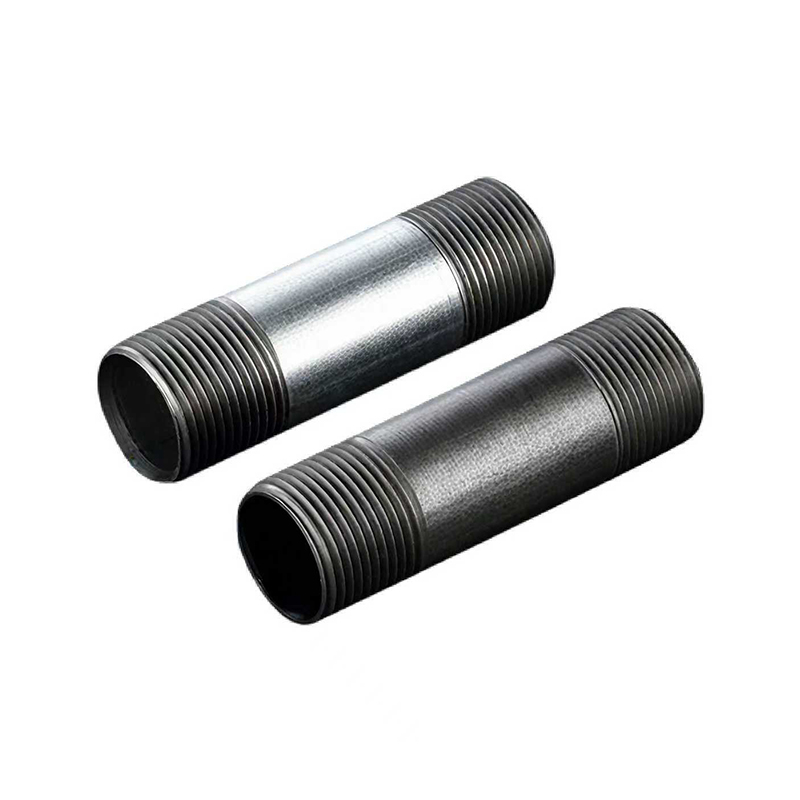
The dimensions of threaded pipe fittings are crucial for ensuring proper assembly, functionality, and safety. The key dimensions include diameter, length, and thread pitch. It’s essential to match these parameters with your project requirements to avoid inefficiencies.
- **Diameter**: Refers to the outer or inner diameter of the fitting. Always measure it using a caliper.
- **Length**: The measurement from one end of the fitting to the other.
- **Thread Pitch**: The distance between threads, often specified in TPI (threads per inch).
Tolerances define the acceptable limits of variation in dimensions. They ensure that components fit correctly and function reliably. Knowing the tolerances allows builders to maintain the integrity of their systems.
- **General Tolerance**: Includes limits for standard dimensions.
- **Specific Tolerance**: Highly precise tolerances for critical components.
- **Geometric Tolerance**: Controls form, orientation, and location.
Verifying specifications involves systematic checks against established standards. Adhering to these standards guarantees compatibility and safety in installations. Follow these steps:
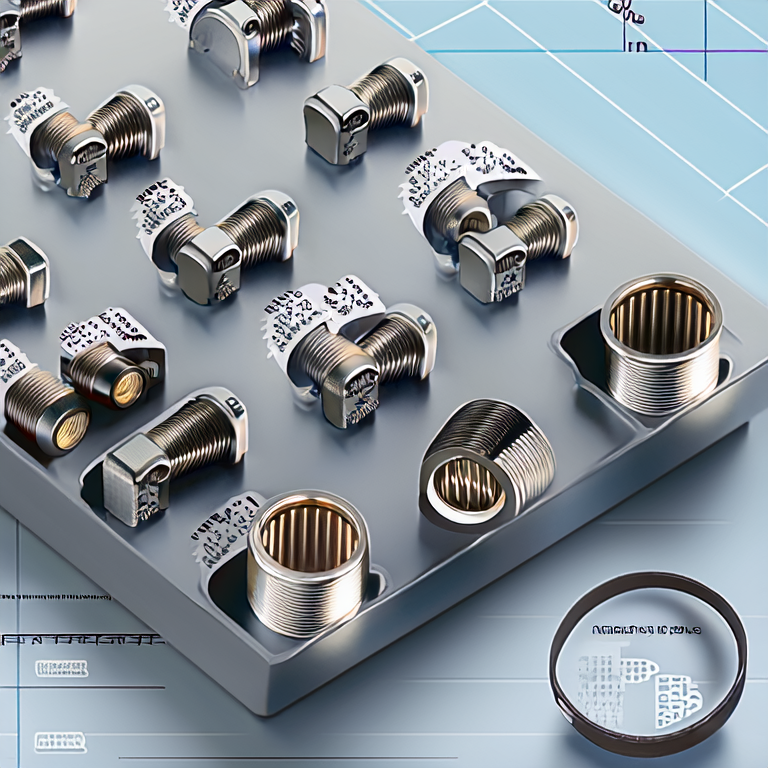
Misunderstandings can lead to improper fittings, causing leaks or failures. Common pitfalls include misreading dimensions, confusing metric with imperial units, and ignoring tolerances. Awareness and caution can prevent these issues.
Understanding how to read and verify threaded pipe fitting dimensions and tolerances is critical for anyone involved in manufacturing or assembly. By adhering to specifications and avoiding common pitfalls, you ensure the safety and efficiency of your installations.
Latest News
Sep. 28, 2026
How to Specify Industrial Valves for Fire Protection, Water Treatment, and HVAC Applications
Sep. 28, 2026
How to Define Technical Drawings and Specifications When Ordering OEM Cast Iron Fittings
Sep. 24, 2026
When to Use Threaded Pipe Fittings vs Grooved Systems Based on Pipe Diameter and Application
Sep. 24, 2026
How Grooved Pipe Fittings Reduce Installation Time in Large-Scale HVAC and Industrial Projects
Hot Products