

+86 185 4892 6888

Jan. 01, 1970
Choosing the right carbon steel grade for high-pressure and high-temperature pipe systems can be challenging. The significance of selecting an appropriate grade cannot be overstated. Using the wrong grade may lead to failures, costly repairs, and safety hazards. Many businesses struggle with this issue, not knowing which specific properties to prioritize. Various carbon steel grades, their characteristics, and how they apply to different conditions play a vital role in ensuring efficiency and safety in high-pressure systems.
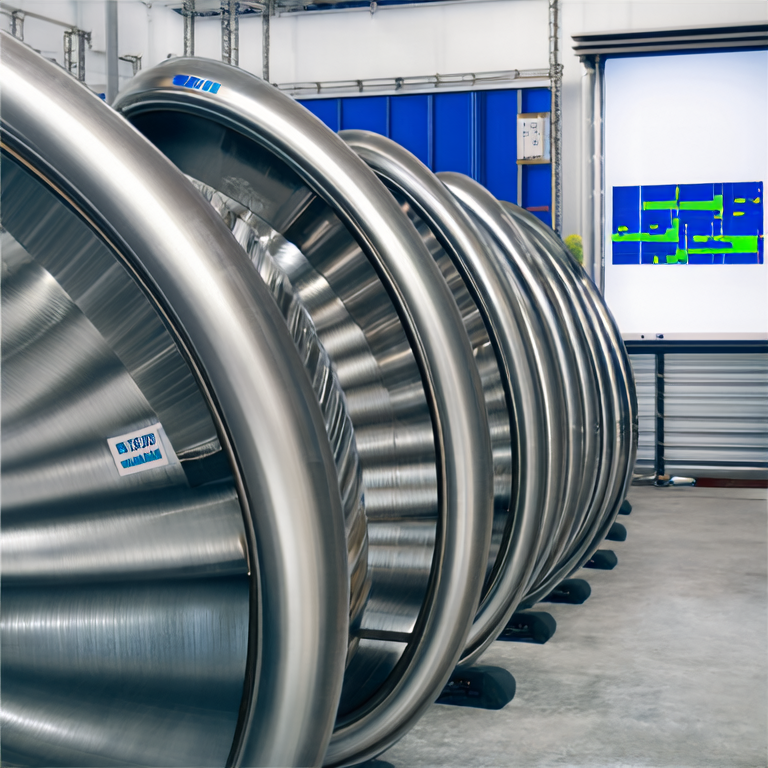
To select the right carbon steel grade for high-pressure and high-temperature pipe systems, you need to consider the operating conditions, material properties, compliance with standards, and specific applications. Choosing carbon steel grades like ASTM A106 or A333, complying with industry standards, will ensure safety and reliability in your systems.
Evaluate the pressure and temperature of the system. High-pressure environments may require stronger grades. Additionally, higher temperatures can impact the material's strength and durability.
Consider whether the pipes will be exposed to corrosive substances. Certain carbon steel grades offer better resistance than others, which can prolong the life of the system.
For applications requiring welded joints, choose a grade that is easy to weld. This will reduce manufacturing difficulties and enhance joint integrity.
Look for grades with high tensile strength. This is crucial for pipes that need to withstand significant pressure.
Ductility is vital for bends and fittings. Ensure the selected grade can handle deformation without breaking.
The toughness of the material affects its ability to absorb energy and resist failure. This property is essential under high-stress conditions.
Familiarize yourself with ASTM standards that outline specifications for carbon steel grades, such as ASTM A106 for seamless pipes.
In the oil and gas industry, API standards delineate specific requirements for high-pressure applications. Understanding these can guide your material selection.
| Grade | Tensile Strength (MPa) | Temperature Range (°C) | Common Use |
|---|---|---|---|
| ASTM A106 | 415 | -29 to 427 | Steam, water, gas |
| ASTM A333 | 345 | -45 to 260 | Low-temperature applications |
| ASTM A53 | 365 | -29 to 260 | Structural applications |
In summary, selecting the right carbon steel grade for high-pressure and high-temperature pipe systems is crucial for performance and safety. By understanding operating conditions, material properties, and industry standards, you can make an informed choice. Always prioritize the specific requirements of your application and select a grade that meets those needs.
ASTM A106 is typically used in high-temperature applications, while ASTM A333 is designed for low-temperature scenarios.
Weldability affects the ease of fabrication and the quality of welded joints, which is critical for pipe systems.
Higher temperatures can weaken some types of carbon steel, making the selection of appropriate grades essential for durability.
Latest News
Sep. 28, 2026
How to Specify Industrial Valves for Fire Protection, Water Treatment, and HVAC Applications
Sep. 28, 2026
How to Define Technical Drawings and Specifications When Ordering OEM Cast Iron Fittings
Sep. 24, 2026
When to Use Threaded Pipe Fittings vs Grooved Systems Based on Pipe Diameter and Application
Sep. 24, 2026
How Grooved Pipe Fittings Reduce Installation Time in Large-Scale HVAC and Industrial Projects
Hot Products