

+86 185 4892 6888

Sep. 28, 2026
Choosing the right industrial valves is crucial for fire protection, water treatment, and HVAC applications. These valves play a vital role in regulating flow and pressure. When specified correctly, they can improve safety and efficiency. However, many face challenges in making the right choices. This article will clarify how to specify valves effectively. It will also cover key specifications, types, and applications in industrial settings. 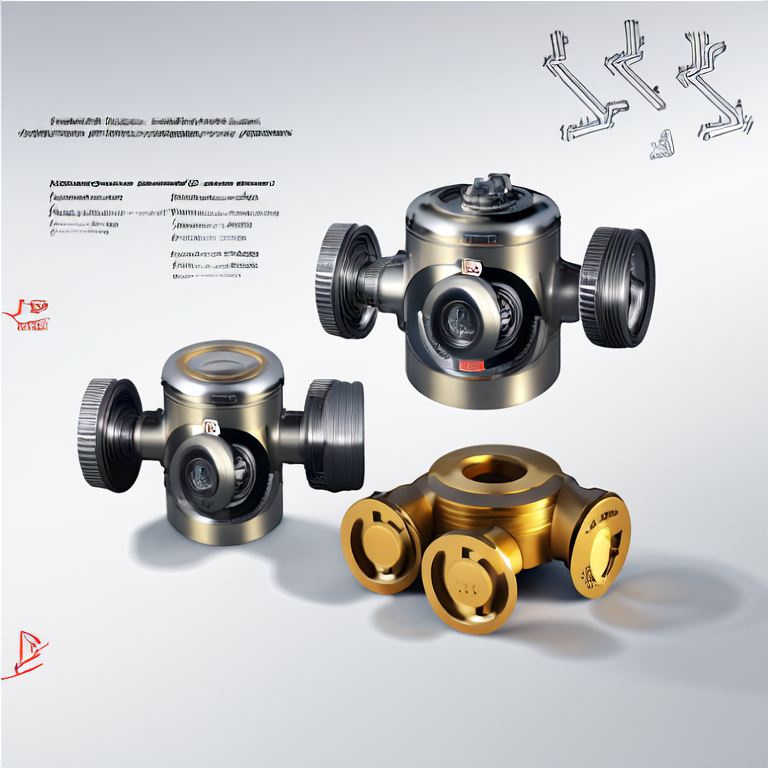
To specify industrial valves for fire protection, water treatment, and HVAC applications, focus on compatibility with your system, the type of service, and required materials. Understanding these factors will help you choose the right valve for your needs.
Before selecting a valve, ensure it is compatible with the specific system where it will be installed. This includes:
Different applications require different types of valves. Consider the following services:
Material selection is vital for longevity and reliability. Consider the following materials:
| Material | Applications | Advantages |
|---|---|---|
| Brass | Hot water | Corrosion resistant |
| Stainless Steel | Abrasive fluids | Strong and durable |
| Plastic | Chemicals | Lightweight and cost-effective |
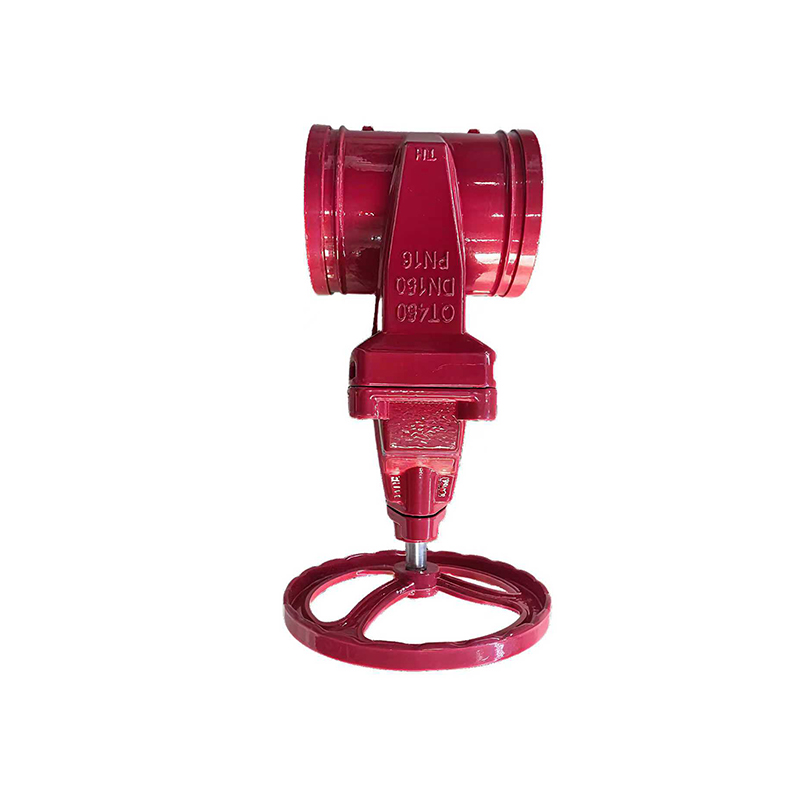
Gate valves are best for on/off control. They work well in fire protection systems, where a full flow is required.
Ball valves provide excellent sealing and are ideal for water treatment applications, especially for low-pressure systems.
Globe valves offer good throttling capability. They are commonly used in HVAC systems to regulate flow rates.
Consider the flow rate, pressure drop, and fluid properties. Gather this information before making any decisions.
Select a valve type based on your application needs and requirements. This step ensures appropriate functionality.
Double-check the valve’s compatibility with materials and sizes in your systems to avoid future issues.
Manufacturers provide vital specifications and installation guidelines for each valve type. Always refer to these documents.
In summary, specifying industrial valves for fire protection, water treatment, and HVAC applications is essential for system efficiency. By focusing on compatibility, service types, and materials, you can make informed decisions. Follow the outlined steps to ensure the best outcomes in your projects.
Key factors include fluid type, pressure, temperature, and connection size.
Check compatibility with your system requirements and consult manufacturer specifications.
Gate valves are ideal for on/off control, while ball valves offer precise regulation of flow.
Plastic valves typically are not suitable for high-temperature applications. Consider metal alternatives.
Replace industrial valves when they show wear signs or fail to function properly.
Research online or consult industry directories to find reputable valve manufacturers in your area.
Latest News
Sep. 28, 2026
How to Specify Industrial Valves for Fire Protection, Water Treatment, and HVAC Applications
Sep. 28, 2026
How to Define Technical Drawings and Specifications When Ordering OEM Cast Iron Fittings
Sep. 24, 2026
When to Use Threaded Pipe Fittings vs Grooved Systems Based on Pipe Diameter and Application
Sep. 24, 2026
How Grooved Pipe Fittings Reduce Installation Time in Large-Scale HVAC and Industrial Projects
Hot Products