

+86 185 4892 6888

Apr. 10, 2026
The choice of materials is crucial when selecting pipe fittings. Understanding the key material differences between malleable iron, ductile iron, and carbon steel pipe fittings can be challenging. Each material has its own characteristics. Knowing these differences can help in choosing the right fitting for your needs. Malleable iron, ductile iron, and carbon steel have unique properties that affect performance, durability, and cost. Many industries rely on reliable pipe fittings to ensure safety and efficiency. 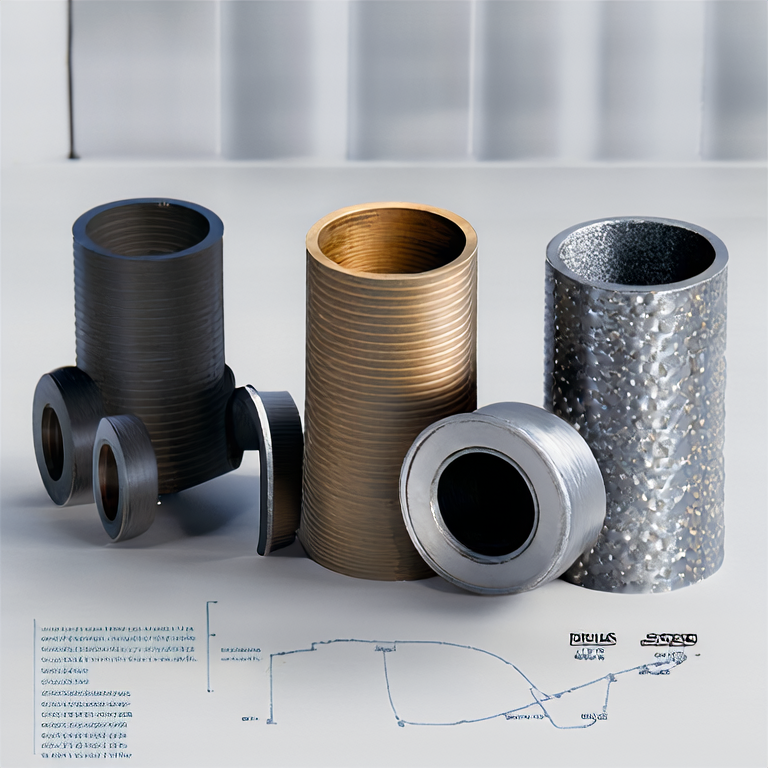
**Malleable iron, ductile iron, and carbon steel differ in composition and properties. Malleable iron is strong and ductile, making it suitable for high-pressure applications. Ductile iron is tougher and more easily shaped. Carbon steel is lightweight but prone to corrosion without proper treatment.**
Malleable iron is known for its excellent ductility and strength. It can withstand high temperatures and pressures, which makes it suitable for various applications.
Ductile iron is renowned for its toughness and flexibility. It has higher impact resistance compared to malleable iron, making it ideal for heavy-duty uses.
Carbon steel is lightweight and cost-effective but lacks the toughness of malleable and ductile iron. It is often used in low-pressure systems.
Understanding the key material differences between malleable iron, ductile iron, and carbon steel pipe fittings is crucial for making informed decisions. Each material has specific advantages and limitations. Assessing the requirements of your application will help you choose the fitting that best suits your needs. Always consider factors like strength, flexibility, and resistance to corrosion.
What is the most durable material for pipe fittings?
Ductile iron is typically considered the most durable material for pipe fittings due to its toughness and high ductility.
Can carbon steel be used for high-pressure applications?
Carbon steel can be used, but it is less reliable than malleable or ductile iron under high pressure.
How do the prices compare among these materials?
Generally, carbon steel is the least expensive, while ductile iron tends to be more costly due to its properties and performance.
Is corrosion a concern for all these materials?
Yes, all materials can corrode. However, malleable and ductile iron can resist corrosion better than carbon steel if properly coated.
What applications use these types of pipe fittings?
Malleable iron is often used in construction, ductile iron in sewer and water systems, and carbon steel in various general applications.
Latest News
Sep. 28, 2026
How to Specify Industrial Valves for Fire Protection, Water Treatment, and HVAC Applications
Sep. 28, 2026
How to Define Technical Drawings and Specifications When Ordering OEM Cast Iron Fittings
Sep. 24, 2026
When to Use Threaded Pipe Fittings vs Grooved Systems Based on Pipe Diameter and Application
Sep. 24, 2026
How Grooved Pipe Fittings Reduce Installation Time in Large-Scale HVAC and Industrial Projects
Hot Products