

+86 185 4892 6888

Jan. 01, 1970
When producing OEM cast iron pipe fittings and valves, understanding MOQ, lead time, and tooling costs is crucial. **Minimum order quantity (MOQ)** is the smallest amount a manufacturer will produce. Lead time refers to the time between the order and delivery. Lastly, tooling costs are the expenses related to creating the molds for production. Many manufacturers struggle to manage these aspects effectively. These challenges can lead to delays and increased costs, impacting the business's bottom line. In this article, we will explore these three essential factors and how they affect your project. 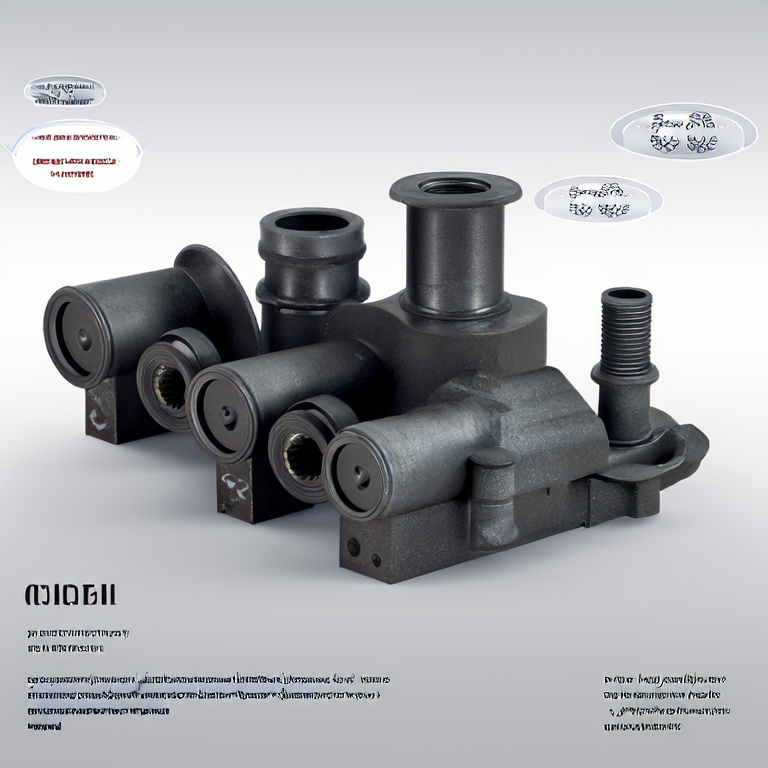
MOQ determines the minimum production amount, while lead time affects delivery scheduling. Tooling costs influence the overall price of your cast iron fittings and valves. Understanding these aspects can save you time and money.
Knowing these three aspects can significantly enhance your production planning. Here is what you need to consider:
MOQ can vary depending on the manufacturer. Be sure to ask the right questions to understand their requirements. Lower MOQs may increase costs. A detailed table can help you compare:
| Manufacturer | MOQ | Cost per Unit |
|---|---|---|
| Manufacturer A | 100 units | $2.50 |
| Manufacturer B | 250 units | $2.20 |
| Manufacturer C | 500 units | $2.00 |
Lead time can be influenced by multiple factors. These include:
Understanding these factors helps in setting realistic delivery expectations.
Tooling costs are often a major part of the production budget. These can include:
Tooling costs can significantly impact your overall budget and margin, so it's critical to assess them properly.
In conclusion, understanding MOQ, lead time, and tooling costs for custom cast iron pipe fittings and valves is essential for effective production. Managing these factors wisely can save resources and enhance efficiency. By staying informed and making strategic decisions, businesses can reduce costs and improve their operations.
What is MOQ in the context of plumbing fittings?
MOQ is the minimum quantity required for an order.
How does lead time affect production?
Long lead times can delay project completion and increase costs.
What are tooling costs?
Tooling costs cover the expenses for creating molds and other production tools.
Can I negotiate MOQ with manufacturers?
Yes, you can discuss terms with manufacturers to find a more suitable MOQ.
How can I reduce lead time?
Planning and clear communication with suppliers can help minimize lead times.
Are tooling costs always fixed?
No, tooling costs can vary based on project complexity and adjustments needed.
Latest News
Sep. 28, 2026
How to Specify Industrial Valves for Fire Protection, Water Treatment, and HVAC Applications
Sep. 28, 2026
How to Define Technical Drawings and Specifications When Ordering OEM Cast Iron Fittings
Sep. 24, 2026
When to Use Threaded Pipe Fittings vs Grooved Systems Based on Pipe Diameter and Application
Sep. 24, 2026
How Grooved Pipe Fittings Reduce Installation Time in Large-Scale HVAC and Industrial Projects
Hot Products