

+86 185 4892 6888

Jan. 01, 1970
NPT vs BSP threaded pipe fittings is a common dilemma among manufacturers and engineers. Choosing the right fittings can impact the efficiency of plumbing and other systems. NPT, or National Pipe Tapered thread, and BSP, or British Standard Pipe thread, are the two common types. They each have specific standards and applications. Understanding their differences is crucial for ensuring compatibility and performance. Pipe fittings can influence the flow of liquids and gases. Therefore, making the right choice can prevent leaks and malfunctions. 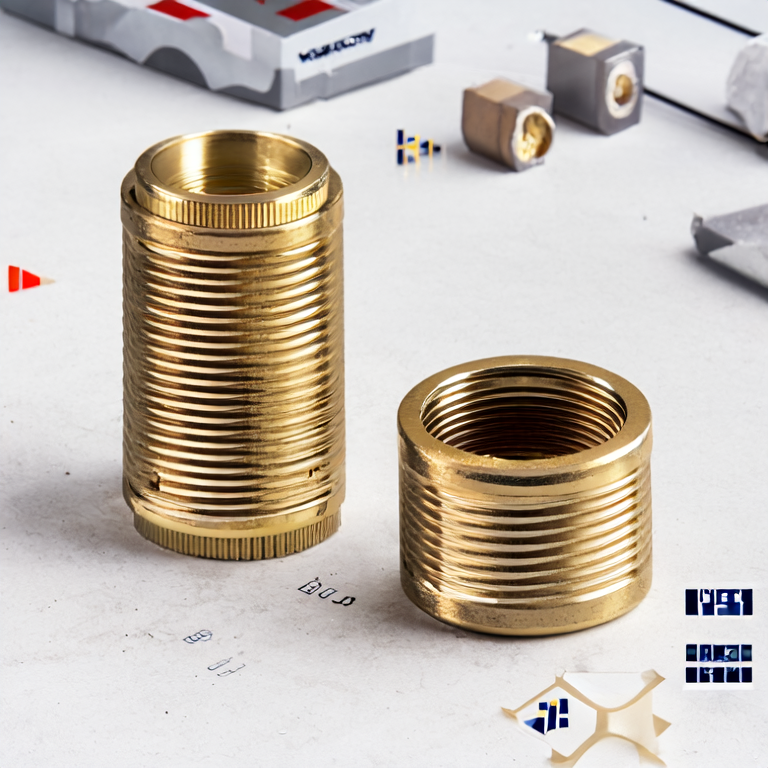
**NPT fittings have a tapered thread suitable for sealing, while BSP fittings have a parallel thread designed for a different sealing mechanism.** Both types are widely used across various global industries, but they are not interchangeable.
NPT and BSP stand for distinct threading standards. Here are the main characteristics:
| Feature | NPT | BSP |
|---|---|---|
| Thread Type | Tapered | Parallel |
| Standard Use | North America | Europe/Others |
| Sealing Method | Self-sealing | Requires tape or paste |
Each fitting type has its global application standards. Here’s a closer look:
Mixing NPT and BSP can lead to serious issues. Their thread types are not interchangeable. Here are points to consider:
In conclusion, understanding NPT vs BSP threaded pipe fittings is essential for anyone in the plumbing or manufacturing fields. Each type serves specific needs and applications globally. Choosing the right fastening ensures safety and efficiency in systems. Don’t overlook the differences. Your choice can prevent leakage and ensure the smooth operation of your projects.
Latest News
Sep. 28, 2026
How to Specify Industrial Valves for Fire Protection, Water Treatment, and HVAC Applications
Sep. 28, 2026
How to Define Technical Drawings and Specifications When Ordering OEM Cast Iron Fittings
Sep. 24, 2026
When to Use Threaded Pipe Fittings vs Grooved Systems Based on Pipe Diameter and Application
Sep. 24, 2026
How Grooved Pipe Fittings Reduce Installation Time in Large-Scale HVAC and Industrial Projects
Hot Products