

+86 185 4892 6888

Sep. 24, 2026
When it comes to plumbing systems, choosing the right fittings is critical. Two popular options are grooved couplings and threaded pipe fittings. Understanding the pressure performance of these fittings is essential for ensuring system reliability and safety. In this article, we will dissect their pressure performance, focusing on user pain points like leakage potential, ease of replacement, and compatibility with different pipe types.
The pressure performance of pipe fittings directly influences the efficiency and longevity of plumbing systems. High-pressure applications require fittings that can withstand significant stress without failure. Both grooved couplings and threaded fittings are designed to handle various pressure loads.
Pressure ratings indicate how much stress a fitting can endure before failure. Understanding these ratings helps in making informed decisions when selecting fittings for specific applications.
Grooved couplings and threaded pipe fittings serve similar purposes but differ significantly in design and performance under pressure.
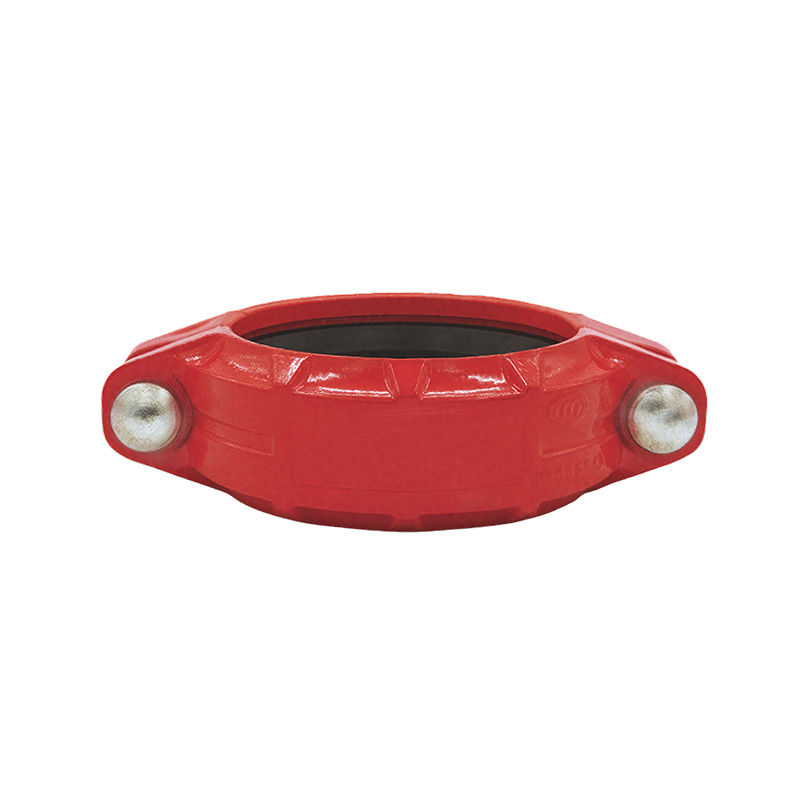
Grooved couplings utilize a unique design that allows for flexible connections between pipes. These fittings often prove advantageous under high-pressure conditions.
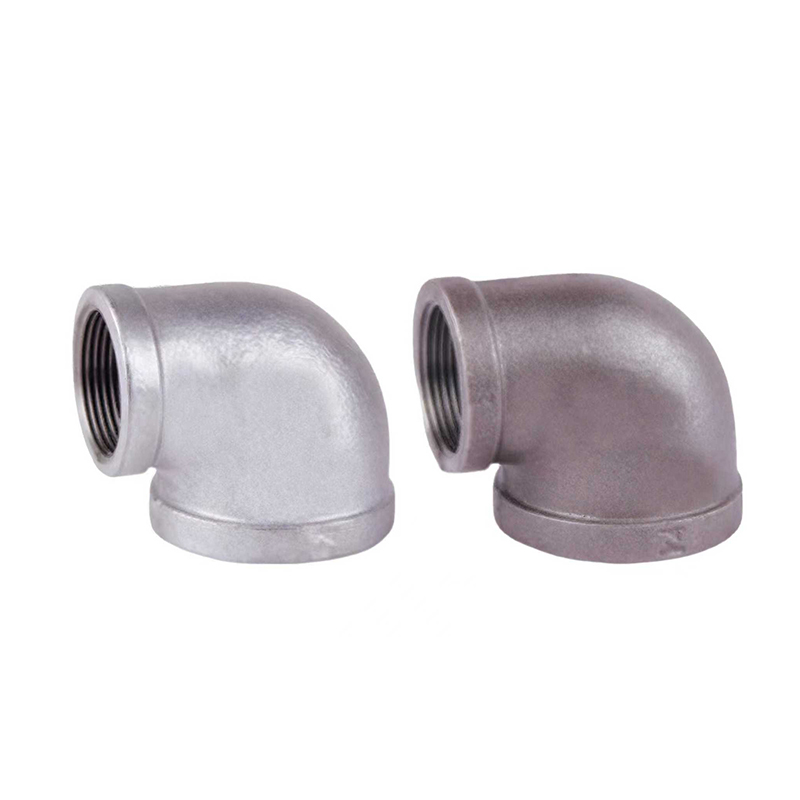
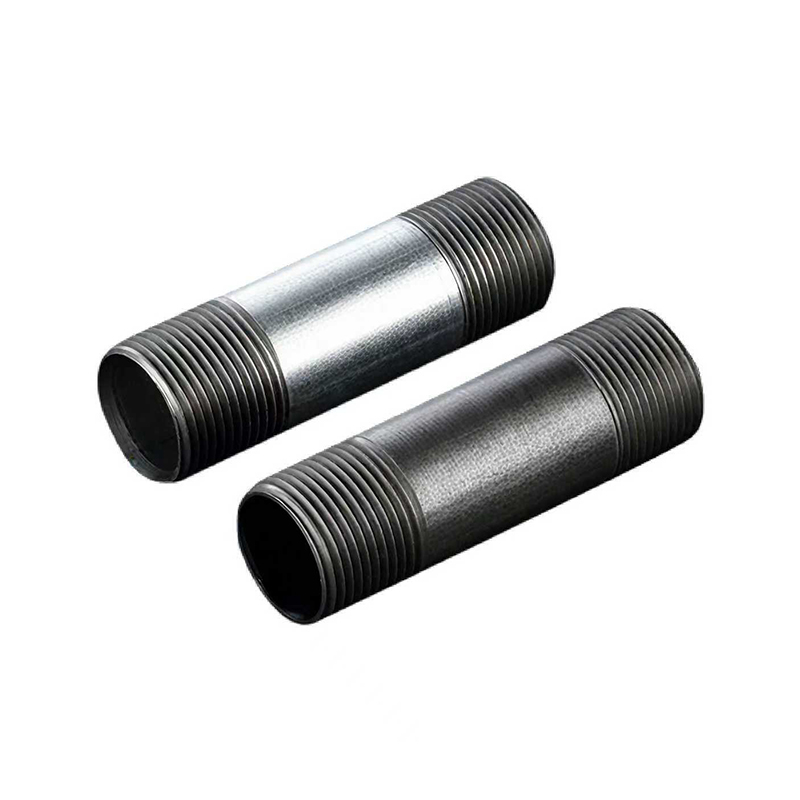
Threaded fittings rely on mechanical threads to join two pipes. While generally effective, they may pose more risks under high-pressure scenarios, especially regarding leakage.
| Feature | Grooved Couplings | Threaded Pipe Fittings |
|---|---|---|
| Pressure Rating | Up to 300 psi | Up to 150 psi |
| Installation Time | Quick installation | Time-consuming |
| Leakage Potential | Minimal | Higher risk |
| Flexibility | High | Low |
Pressure ratings for both types of fittings are crucial for application-specific purposes. Grooved couplings typically withstand higher pressure ratings, making them suitable for industrial environments.
Pressure ratings are typically determined through laboratory testing, where fittings are subjected to extreme pressure conditions to ascertain their failure points.
The simplicity of installation affects overall performance. Grooved couplings are easier and quicker to install, which can save both time and labor costs in large projects.
The installation of threaded pipe fittings often requires specialized tools, whereas grooved couplings can be installed with minimal equipment. This difference affects project timelines and labor expenses.
Several industries benefit from using either grooved couplings or threaded fittings. Understanding these applications helps businesses make better choices regarding pipe fitting selections.
In industrial processes, grooved couplings are preferred for their durability and fast installation, which minimizes downtime. Case studies show significant reductions in failure rates with grooved systems.
In summary, when comparing pressure performance between grooved couplings and threaded pipe fittings, grooved couplings generally lead the performance race, especially in high-pressure situations. Their increased pressure ratings and easier installation make them a preferred choice in many industrial applications. By understanding these differences, distributors and buyers can make informed choices for their piping systems.
For comprehensive solutions in pipe fittings, explore our professional offerings at HULU, where quality meets reliability.
Latest News
Sep. 28, 2026
How to Specify Industrial Valves for Fire Protection, Water Treatment, and HVAC Applications
Sep. 28, 2026
How to Define Technical Drawings and Specifications When Ordering OEM Cast Iron Fittings
Sep. 24, 2026
When to Use Threaded Pipe Fittings vs Grooved Systems Based on Pipe Diameter and Application
Sep. 24, 2026
How Grooved Pipe Fittings Reduce Installation Time in Large-Scale HVAC and Industrial Projects
Hot Products