

+86 185 4892 6888

Jan. 01, 1970
Shipping, packaging, and Incoterms considerations are critical for successful bulk pipe fittings imports from China. Many importers face challenges in understanding how these elements impact the overall cost and efficiency of their shipments. With proper knowledge, businesses can avoid costly mistakes and optimize their supply chain. The right packaging ensures that pipe fittings arrive in excellent condition, while clear Incoterms outline responsibilities between buyers and sellers. It is essential to address these factors for a smooth import process.
Understanding shipping, packaging, and Incoterms is essential for successful bulk pipe fittings imports from China. Addressing these considerations can lead to significant cost savings and operational efficiency. Proper knowledge minimizes risks and optimizes the import process.
Choose the right shipping method based on your needs. Common options include ocean freight, air freight, and express services. Ocean freight is cost-effective for bulk orders, while air freight offers speed for urgent shipments.
Be aware of shipping costs, which can vary widely. Factors such as weight, volume, and shipping distance contribute to overall expenses. Obtaining multiple quotes from freight forwarders can help find the best rates.
Proper documentation is crucial for smooth customs clearance. Ensure all necessary paperwork is prepared to avoid delays. This includes commercial invoices, packing lists, and delivery notes.
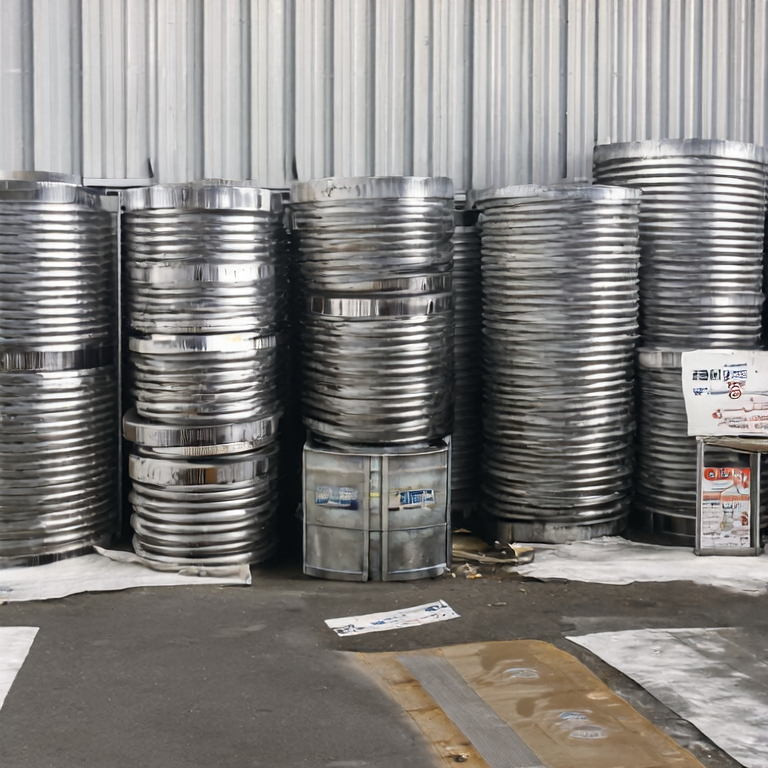
Choosing the right packaging material protects pipe fittings during transit. Common options include cardboard boxes, wooden pallets, and shrink wrap. Corrugated boxes are popular for their durability.
Packaging should be designed to maximize space while minimizing weight. Shipping smaller, lighter packages can reduce costs. Consider using bulk packaging for increased efficiency.
Increasingly, businesses are opting for eco-friendly packaging solutions. These not only contribute to sustainability but can also appeal to environmentally conscious consumers.
Incoterms, or International Commercial Terms, define the responsibilities of buyers and sellers. They clarify who pays for shipping, insurance, and customs duties, thus preventing misunderstandings.
Some common Incoterms include FOB (Free On Board), CIF (Cost, Insurance, and Freight), and DAP (Delivered At Place). Understanding these terms is essential to avoid unexpected costs and liabilities.
Selecting the appropriate Incoterm depends on various factors such as risk tolerance and negotiation power. Working closely with suppliers can help determine the best option for your situation.
In conclusion, taking shipping, packaging, and Incoterms considerations seriously is vital for bulk pipe fittings imports from China. Understanding these elements helps businesses save money and streamline their operations. By making informed decisions, importers can navigate the complexities of the supply chain effectively.
The best shipping method often depends on your budget and urgency. Ocean freight is ideal for cost savings, while air freight is suitable for faster deliveries.
Ensure that the packaging protects your products and is suitable for size and weight to reduce shipping costs.
Common Incoterms include FOB, CIF, and DAP, each defining different responsibilities regarding shipping and costs.
Latest News
Sep. 28, 2026
How to Specify Industrial Valves for Fire Protection, Water Treatment, and HVAC Applications
Sep. 28, 2026
How to Define Technical Drawings and Specifications When Ordering OEM Cast Iron Fittings
Sep. 24, 2026
When to Use Threaded Pipe Fittings vs Grooved Systems Based on Pipe Diameter and Application
Sep. 24, 2026
How Grooved Pipe Fittings Reduce Installation Time in Large-Scale HVAC and Industrial Projects
Hot Products