

+86 185 4892 6888

Apr. 10, 2026
When it comes to choosing pipe fittings for your project, understanding the differences between threaded, grooved, and flanged pipe fittings is crucial. Each type offers unique advantages and challenges, depending on the application's needs. Many manufacturers in China produce high-quality pipe fittings, and knowing which one is right for your project can save you time and money. Threaded fittings are easy to install, while grooved fittings offer flexibility. Flanged fittings provide a sturdy connection for industrial applications. Understanding these differences helps ensure the success of your installation.
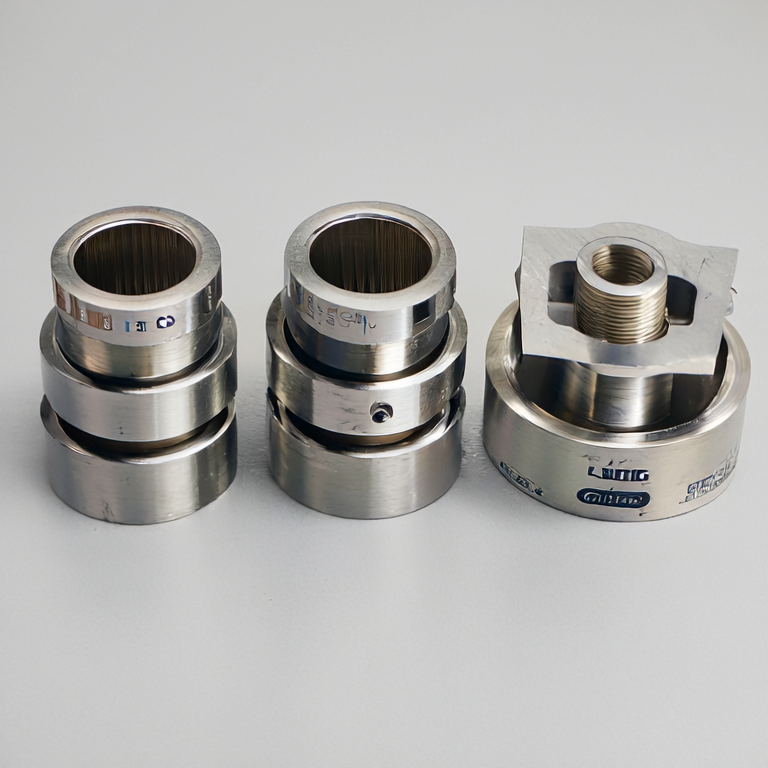
The best choice among threaded, grooved, and flanged pipe fittings depends on your specific project requirements. **Threaded fittings are suitable for smaller pipes, grooved fittings are excellent for quick assembly and disassembly, and flanged fittings are ideal for high-pressure systems.**
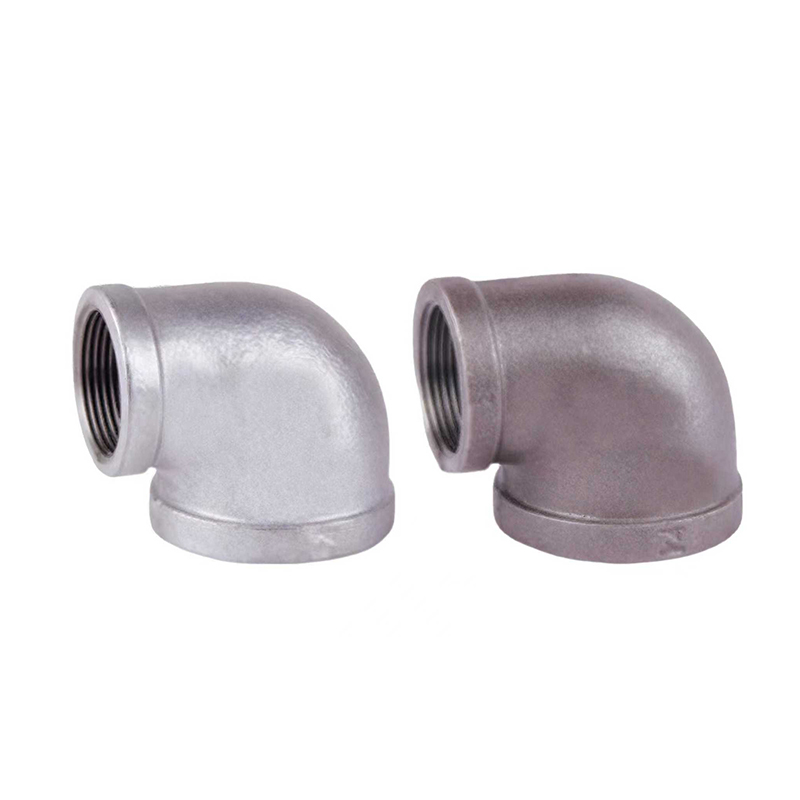
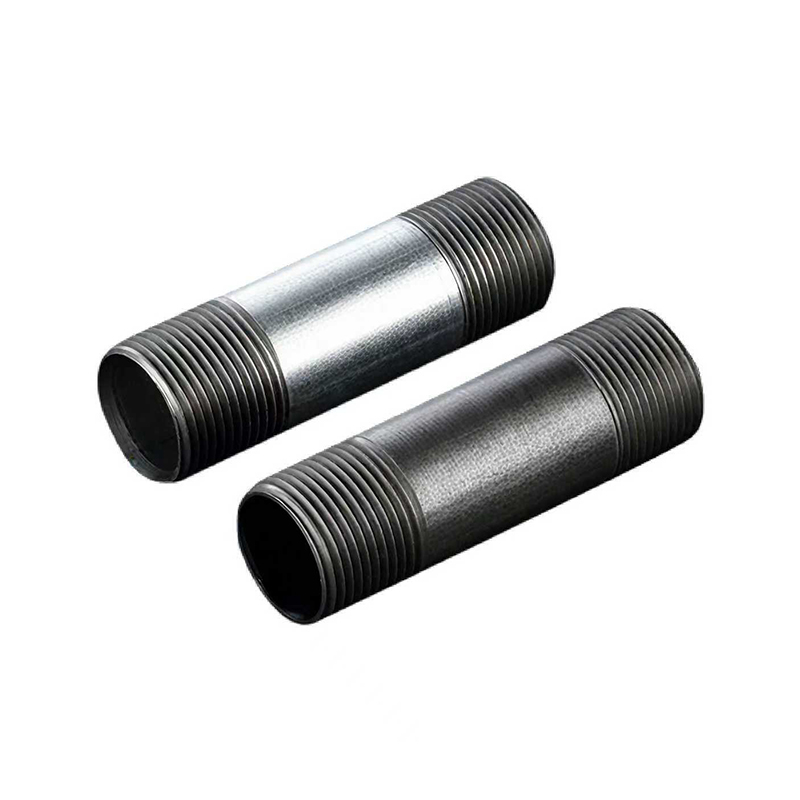
Threaded fittings use male and female threads to connect pipes. This type is common in smaller systems where space is limited. They are easy to install and remove, making them popular for residential plumbing. However, they may not provide a strong seal under high pressure.
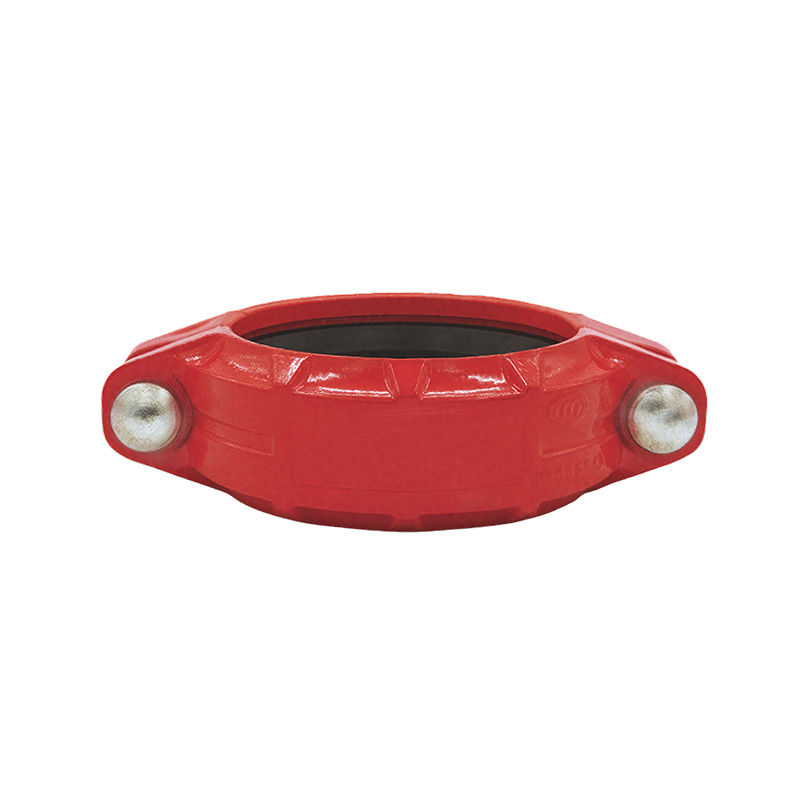
Grooved fittings feature groove designs that allow for quick connections using clamps. This style is favorable for systems requiring frequent maintenance or changes. They are often found in fire protection systems due to their simplicity and adaptability.
Flanged fittings connect pipes with flat plates and bolts. They are suitable for larger pipes and high-pressure applications. This style provides a robust and secure connection but requires more space for installation.
| Fitting Type | Installation Ease | Application | Pressure Tolerance | Maintenance |
|---|---|---|---|---|
| Threaded | Easy | Residential | Low | Moderate |
| Grooved | Very Easy | Fire Protection | Medium | Low |
| Flanged | Moderate | Industrial | High | Moderate |
Choosing the right type of pipe fitting is essential for the success of your project. Each option—threaded, grooved, and flanged—serves different needs and comes with its advantages. To ensure you pick the best fitting for your requirements, assess factors such as pipe size, pressure, and the project's maintenance needs. Understanding these types of connections will help you make a better-informed decision.
Threaded fittings use threads, grooved fittings use clamps, and flanged fittings use bolts for connection. Each type has unique advantages based on installation ease and application suitability.
Flanged fittings are ideal for larger pipes and high-pressure systems, while threaded fittings work best for smaller, less pressurized applications.
Grooved fittings are generally not recommended for extremely high-pressure applications compared to flanged fittings.
Yes, threaded fittings can be used outdoors, but consider materials that resist corrosion for durability.
Threaded pipe fittings are the most commonly used type in residential plumbing due to their ease of installation.
Threaded fittings may require regular inspections for leaks, grooved fittings should be checked for snugness, and flanged fittings need to be tightened and secured regularly.
Latest News
Sep. 28, 2026
How to Specify Industrial Valves for Fire Protection, Water Treatment, and HVAC Applications
Sep. 28, 2026
How to Define Technical Drawings and Specifications When Ordering OEM Cast Iron Fittings
Sep. 24, 2026
When to Use Threaded Pipe Fittings vs Grooved Systems Based on Pipe Diameter and Application
Sep. 24, 2026
How Grooved Pipe Fittings Reduce Installation Time in Large-Scale HVAC and Industrial Projects
Hot Products