Introduction
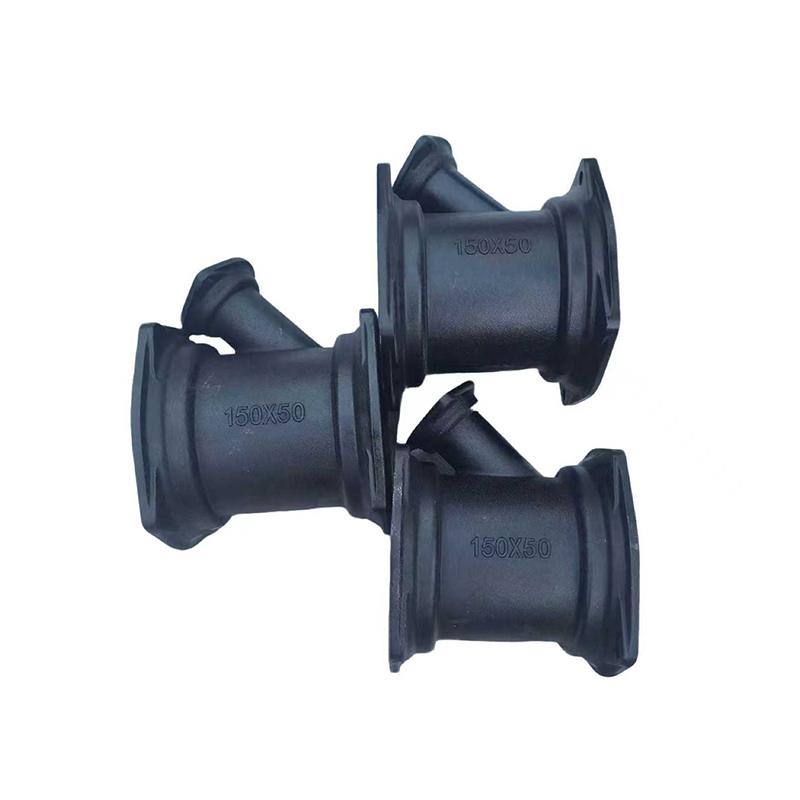
OEM cast iron pipe fittings and valves often require customization to meet specific project needs. Many businesses face challenges when searching for the right products. They might struggle to find fittings and valves that perfectly fit their requirements. Customization helps solve this problem. Manufacturers can tailor designs, material types, and sizes. This article will explore the OEM customization options available for cast iron pipe fittings and valves.
Summary Answer
**OEM customization for cast iron pipe fittings and valves includes options like specific design adjustments, material choices, size variations, and testing requirements.** These options cater to diverse industrial needs and ensure higher performance in plumbing systems.
1. Customization Options
Customization options for OEM cast iron fittings and valves can vary widely. Here are the main choices:
Design Customization
- Manufacturers can design fittings and valves to specific shapes and configurations. This is essential for unique construction projects.
Material Variations
- Cast iron is commonly used in plumbing. However, different grades or coatings can enhance performance in various environments.
Finish and Coatings
- Valves might require special finishes, such as corrosion resistance or heat durability. Custom coatings can also be applied depending on the application.
2. Design Specifications
Design specifications are crucial in the manufacturing process. Proper design ensures that the products serve their intended purpose effectively.
Dimensions and Tolerances
- Accurate dimensions and tight tolerances are critical for fittings and valves. Custom specifications can be tailored according to installation requirements.
Flow Characteristics
- The design can include specific features to optimize flow, reducing friction losses in the system.
3. Material Type
Choosing the right material can improve durability and performance. Cast iron is popular, but other materials can be considered based on needs.
Standard Cast Iron
- This is the most common choice, known for its strength and wear resistance.
Ductile Iron Options
- Ductile iron offers better tensile strength and flexibility, making it ideal for demanding environments.
4. Size and Diameter
Different projects require different sizes and diameters for their fittings and valves.
Custom Sizing
- Manufacturers can create fittings and valves in various sizes. This flexibility helps accommodate specific piping systems.
Standard Sizes
- While custom options are available, standard sizes are often more cost-effective and readily available.
5. Testing and Certification
Before use, it is important to ensure that fittings and valves meet safety and performance standards.
Quality Assurance Testing
- Rigorous testing can be performed on all custom pieces to ensure they meet industry standards.
Certifications
- Products may need specific certifications depending on the industry. Compliance with these standards can be a key requirement for some projects.
Conclusion
OEM customization options for cast iron pipe fittings and valves provide immense flexibility. Businesses can obtain products that fit their unique needs. Understanding the various customization options, from design to material, allows for better decision-making. With customized solutions, companies can enhance the performance and reliability of their pipe systems.
FAQ
1. **What types of customization are available?**
- Customization includes design adjustments, material choices, and sizing.
2. **How do I choose the right material?**
- Consider the specific application needs and environmental factors.
3. **Are customized fittings more expensive?**
- Typically, custom fittings may cost more than standard options, but they can also provide better performance.
4. **Can I request testing for my custom products?**
- Yes, many manufacturers offer testing services to ensure compliance with relevant standards.
5. **How long does the customization process take?**
- The time frame varies depending on the complexity of the order but usually ranges from a few weeks to a few months.