

+86 185 4892 6888

Sep. 24, 2026
In the manufacturing and plumbing industries, choosing between threaded pipe fittings and grooved systems is crucial for ensuring the integrity and efficiency of piping systems. This article explores the differences based on pipe diameter and application needs. By understanding the specific advantages of each method, companies can make informed decisions that align with their operational requirements. Threaded fittings are often chosen for their reliability, while grooved systems offer flexibility and quick installation. Understanding these factors can help prevent costly errors and optimize performance.
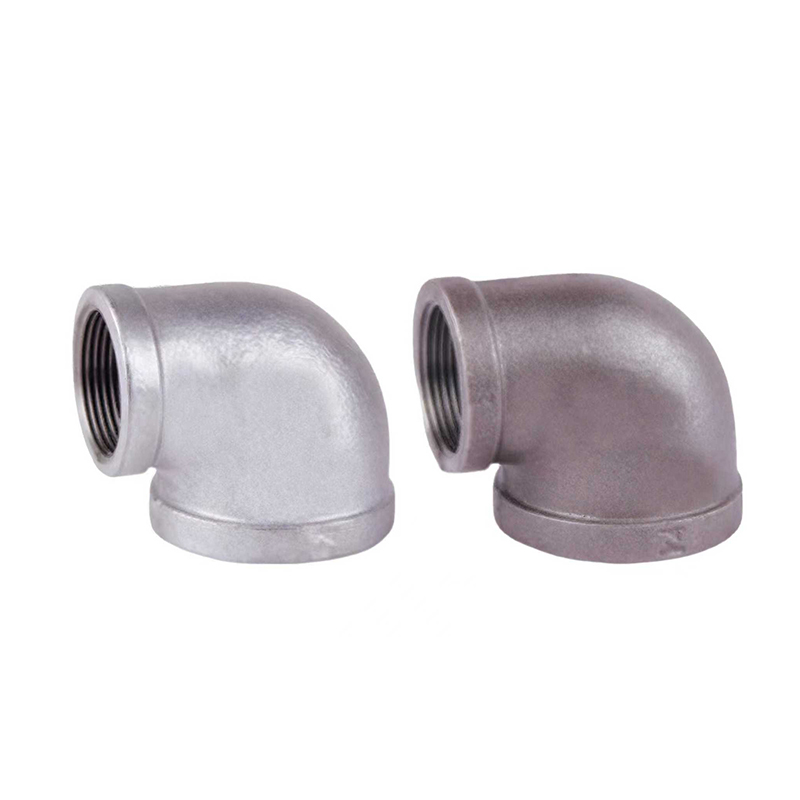
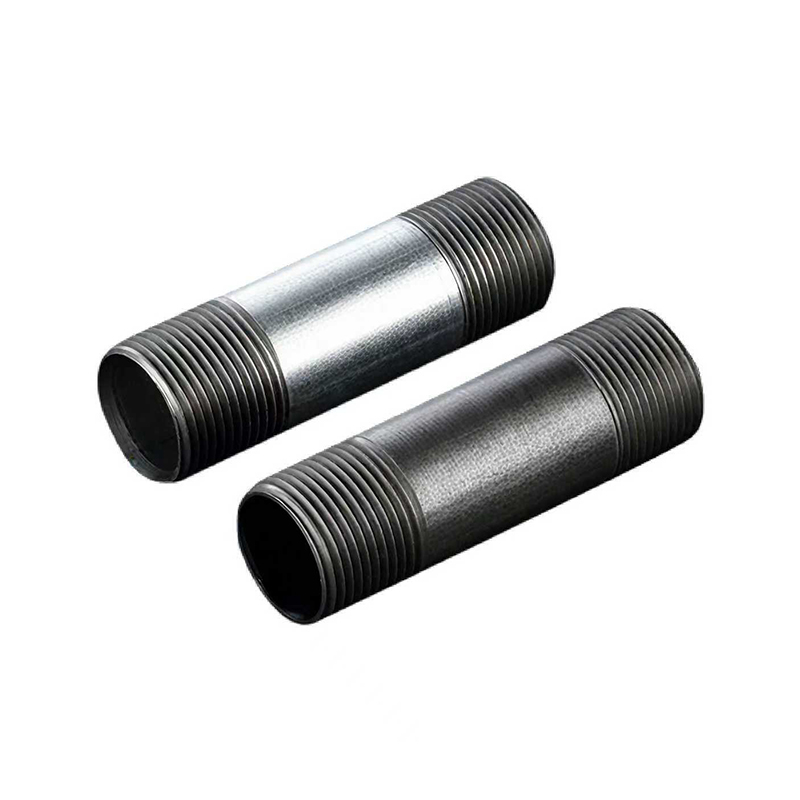
Threaded pipe fittings are widely used in various applications due to their ease of use and reliability. They allow for the joining of pipes through female and male threads. Threaded fittings are best suited for:
1. Small Diameter Pipes: Typically up to 2 inches.
2. High-Pressure Systems: Effective in environments requiring robust connections.
3. Liquid Transport: Ideal for plumbing and HVAC systems.
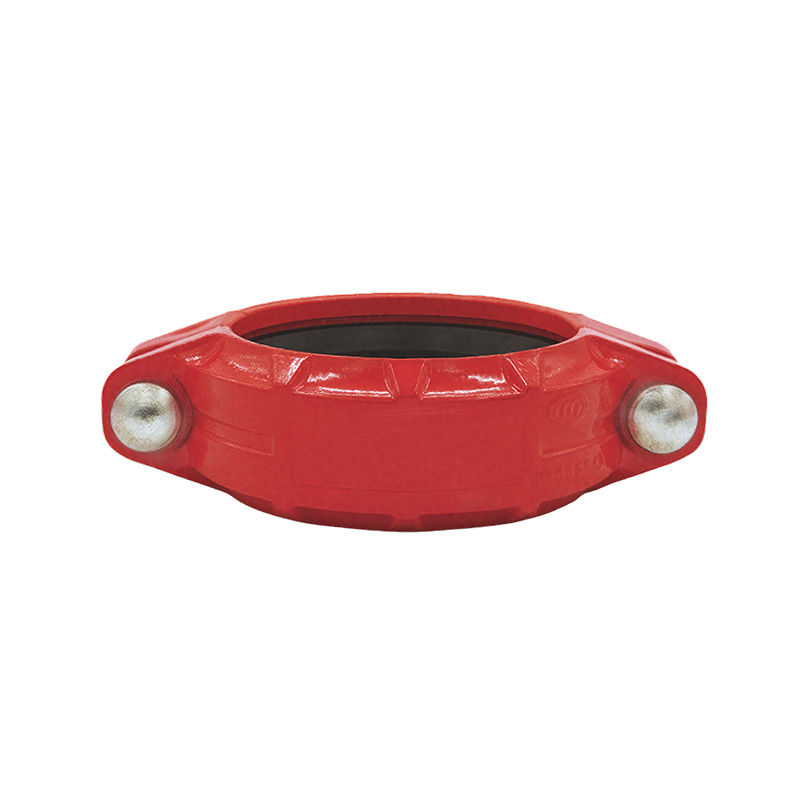
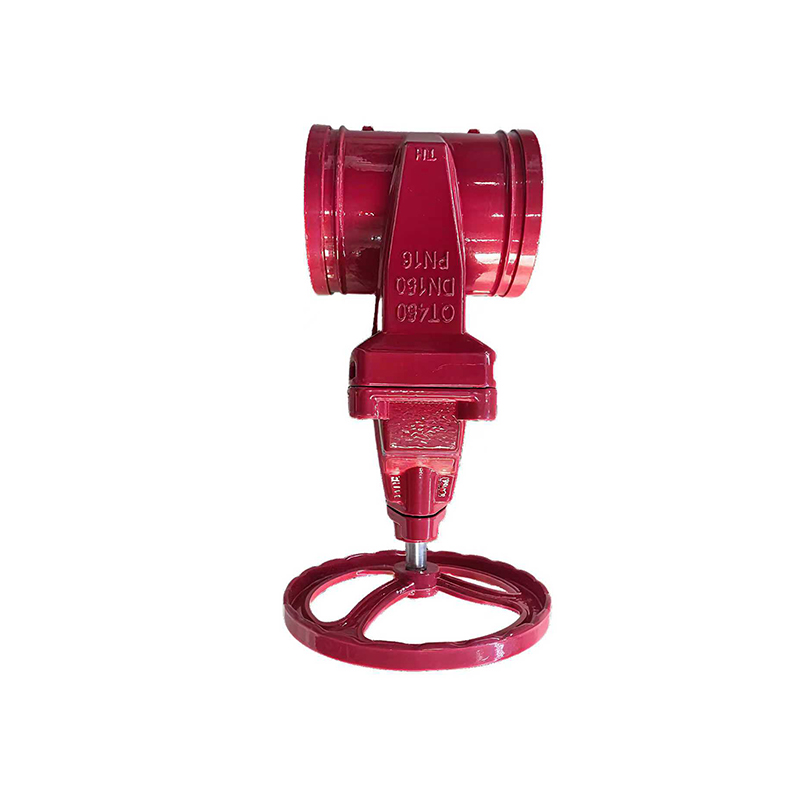
Grooved systems utilize a mechanical coupling system that makes installation faster and easier. They feature a groove cut into the pipe ends for interconnection. Grooved systems are best for:
1. Large Diameter Pipes: Commonly used for pipes from 2 to 12 inches or more.
2. Quick Installation Needs: Excellent for projects requiring swift assembly.
3. Flexible Systems: Accommodates expansion and contraction of pipes.
Each system has distinct advantages and limitations based on application needs and pipe diameter. The following table outlines these differences:
| Feature | Threaded Fittings | Grooved Systems |
|---|---|---|
| Pipe Diameter | Up to 2 inches | 2 to 12 inches or more |
| Installation Speed | Moderate | Fast |
| Flexibility | Limited | High |
| Leak Prevention | Highly Reliable | Effective with proper installation |
Selecting between threaded pipe fittings and grooved systems depends on various factors. Here are some scenarios:
1. For small-diameter piping in tight spaces.
2. When high-pressure ratings are required.
3. For applications with minimal movement.
1. For large diameter installations needing quick assembly.
2. In environments with temperature fluctuations.
3. Where joint flexibility is necessary.
Understanding when to use threaded pipe fittings versus grooved systems is essential for effective installation processes. Contractors and manufacturers must assess the application requirements and specifications of pipe diameter to optimize performance and durability. By choosing the appropriate fitting system, users can enhance operational efficiency and minimize risks associated with pipe failures.
For your next piping project, remember the key characteristics of each system. Whether you choose threaded fittings for high-pressure applications or grooved systems for flexibility and ease of installation, consider sourcing from reputable manufacturers like HULU for quality pipe fittings that meet industry standards.
Latest News
Sep. 28, 2026
How to Specify Industrial Valves for Fire Protection, Water Treatment, and HVAC Applications
Sep. 28, 2026
How to Define Technical Drawings and Specifications When Ordering OEM Cast Iron Fittings
Sep. 24, 2026
When to Use Threaded Pipe Fittings vs Grooved Systems Based on Pipe Diameter and Application
Sep. 24, 2026
How Grooved Pipe Fittings Reduce Installation Time in Large-Scale HVAC and Industrial Projects
Hot Products