

+86 185 4892 6888

Sep. 24, 2026
Which pipe fitting connection method is more reliable for fire suppression systems? This question is important for many professionals. The safety and efficiency of fire systems hinge on the type of pipe fittings used. Selecting the right connection method can greatly affect the performance of these systems. Reliable grooved pipe fittings often provide strong, tight connections. Understanding the options available can prevent costly repairs and ensure safety.

The most reliable pipe fitting connection methods for fire suppression systems are grooved fittings and welded joints. These options ensure tight connections and reduce the risk of leaks.
There are various connection methods for pipe fittings, each with its own advantages:
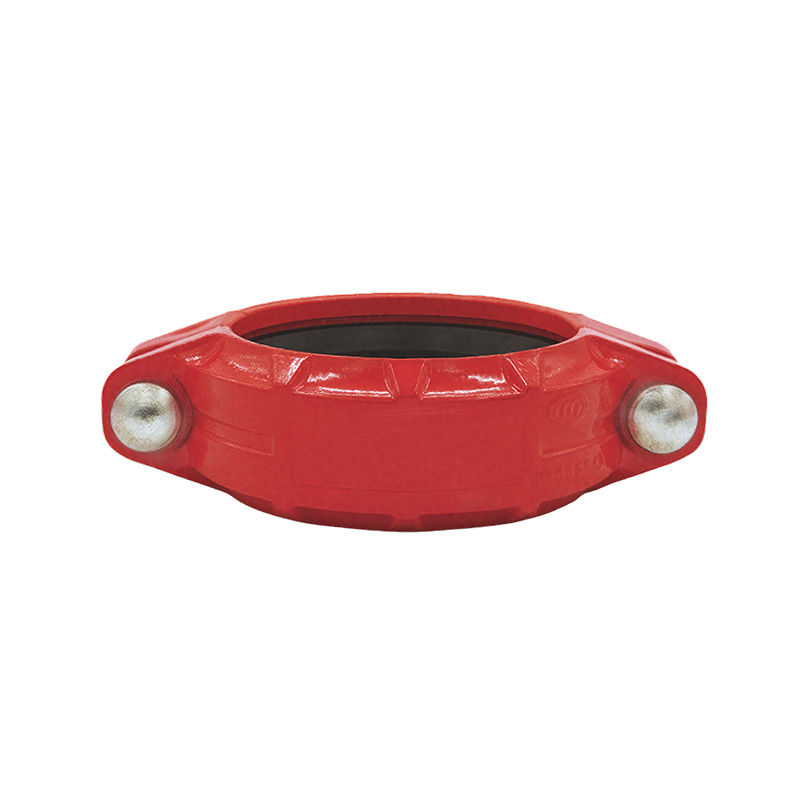
Grooved fittings are popular in fire suppression systems. They use a groove in the pipe to form a connection. This method is quick and easy to install. They can be disassembled and reassembled without damage.
Welded joints provide a strong connection. They create a permanent bond between the pipes. This method reduces the chances of leaks, but it is more difficult to repair if problems arise.
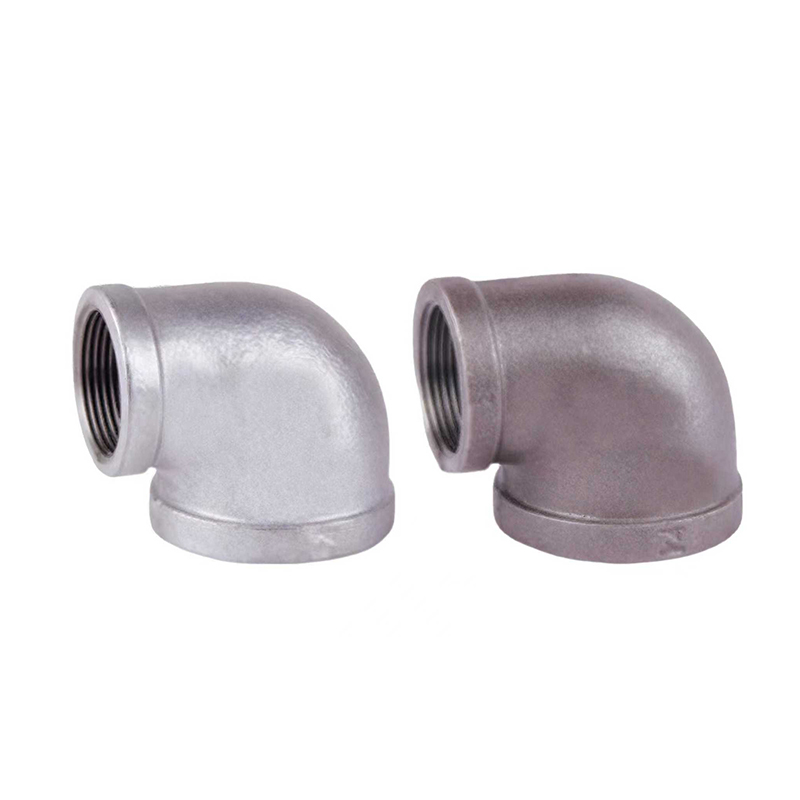
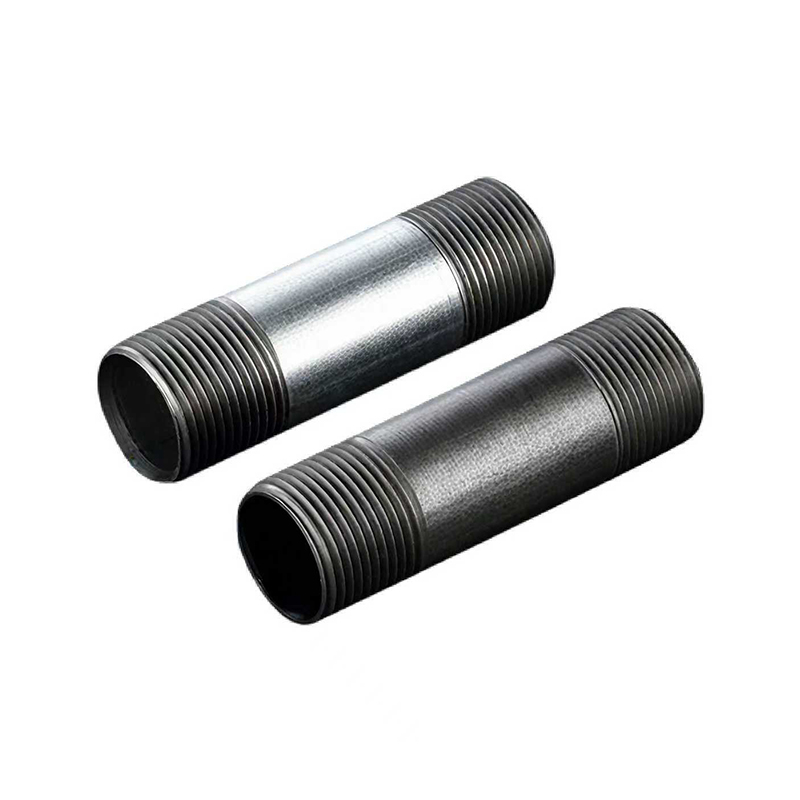
Threaded connections are less common, but they are still used. They require precise installation. Misalignment can lead to leaks, making them less reliable than other methods.
Flanged connections use flat surfaces with bolt holes to connect pipes. This makes installation straightforward but can be bulky and more expensive.
| Connection Method | Installation Speed | Repairability | Leak Risk |
|---|---|---|---|
| Grooved Fittings | Fast | Easy to repair | Low |
| Welded Joints | Medium | Hard to repair | Very Low |
| Threaded Connections | Slow | Medium | Moderate |
| Flanged Connections | Medium | Easy to repair | Low |
In conclusion, the reliability of a fire suppression system strongly depends on the pipe fitting connection method used. Both grooved fittings and welded joints are excellent choices. They offer low leak risks and reliable connections. Choosing the right method can improve safety and efficiency in fire suppression systems.
Latest News
Sep. 28, 2026
How to Specify Industrial Valves for Fire Protection, Water Treatment, and HVAC Applications
Sep. 28, 2026
How to Define Technical Drawings and Specifications When Ordering OEM Cast Iron Fittings
Sep. 24, 2026
When to Use Threaded Pipe Fittings vs Grooved Systems Based on Pipe Diameter and Application
Sep. 24, 2026
How Grooved Pipe Fittings Reduce Installation Time in Large-Scale HVAC and Industrial Projects
Hot Products