

+86 185 4892 6888

Oct. 23, 2026
Choosing the right pipe fitting material is crucial for high-pressure water and gas distribution systems. When systems are under pressure, material quality directly affects safety and efficiency. Many manufacturers claim their products are the best. But what truly performs better? Ductile iron, PVC, and stainless steel are popular choices for pipe fittings. Each material has its strengths and weaknesses, especially in high-stress situations. Understanding these differences can help you make informed decisions for your projects.
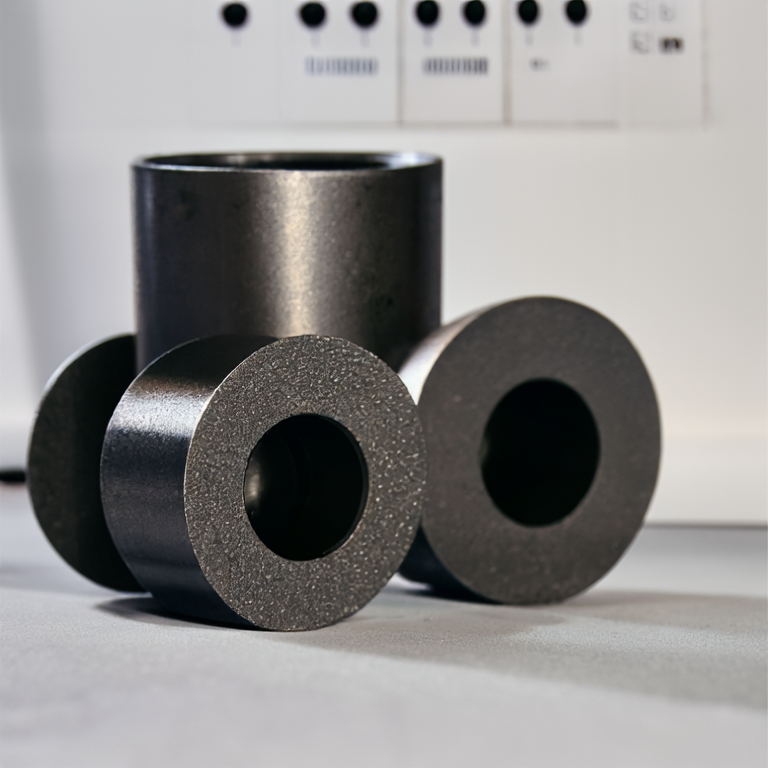
Ductile iron is often the best choice for high-pressure water and gas distribution systems due to its strength, durability, and resilience.
Ductile iron fittings can withstand higher pressures than PVC. This makes ductile iron more reliable in extreme conditions where pressure peaks are common. The strength of ductile iron helps prevent failures and leaks.
| Material | Max Pressure (psi) | Weight (lbs) |
|---|---|---|
| Ductile Iron | 500 | 30 |
| PVC | 200 | 5 |
| Stainless Steel | 300 | 40 |
Stainless steel offers excellent corrosion resistance. It is ideal for systems exposed to harsh chemicals or moisture. However, it is important to balance corrosion resistance with cost and weight.
While ductile iron can rust, protective coatings enhance its resistance to corrosion.
Ductile iron pipe fittings can offer better long-term costs. Their durability means fewer replacements and repairs over time. Although PVC may be cheaper initially, it can lead to higher costs later if failures occur.
An initial cost analysis shows less spending over time with ductile iron, especially when long-term safety is considered.
PVC fittings are lighter, making transportation easier. They are also easier to install due to lower weight. Ductile iron fits require more labor but offer superior strength.
Step 1: Gather materials.
Step 2: Prepare site.
Step 3: Fit pipes and secure.
Step 4: Test for leaks.
In conclusion, understanding the best pipe fitting material for high-pressure water and gas distribution systems is essential. While ductile iron fits are often the top choice due to their strength and durability, each material has its unique advantages. Carefully consider your specific needs when choosing between ductile iron, PVC, or stainless steel fittings. Ultimately, the right choice will lead to enhanced safety and efficiency for your systems.
Q: Why is ductile iron preferred for high-pressure systems?
A: Ductile iron provides excellent strength, durability, and is highly resilient under pressure.
Q: What are the main disadvantages of PVC?
A: PVC can fail under high pressure and is less durable than ductile iron.
Q: How does corrosion affect pipe fittings?
A: Corrosion can lead to leaks and failures, making material choice critical for long-term performance.
Q: Are stainless steel fittings suitable for all applications?
A: While excellent for corrosion resistance, they may not be cost-effective for all projects.
Q: What is the best practice for installation?
A: Proper planning and testing are crucial for a safe and efficient setup of any piping system.
Latest News
Oct. 23, 2026
Cost Comparison: When Malleable Iron Fittings Offer Better Value Than Ductile Iron Alternatives
Oct. 23, 2026
Application Scenarios Where Ductile Iron Pipe Fittings Outperform Malleable Iron Alternatives
Oct. 23, 2026
Which Pipe Fitting Material Performs Better in High-Pressure Water and Gas Distribution Systems?
Oct. 22, 2026
Common Sizing and Compatibility Mistakes When Specifying Pipe Fittings for Industrial Pipelines
Hot Products