

+86 185 4892 6888

Jul. 07, 2026
Selecting the right gate valve is essential for ensuring safe, efficient, and long-lasting pipeline performance. Whether you're managing water treatment facilities, oil and gas pipelines, chemical processing plants, or industrial utilities, the wrong valve selection can lead to leakage, pressure loss, increased maintenance costs, and unexpected downtime.
For engineers, contractors, distributors, and procurement managers, understanding how to choose gate valve solutions based on operating conditions is critical. A reliable industrial valve supplier can also provide technical guidance, certified products, and customized valve solutions for different industries.
This guide explains the key factors buyers should evaluate before purchasing a gate valve.
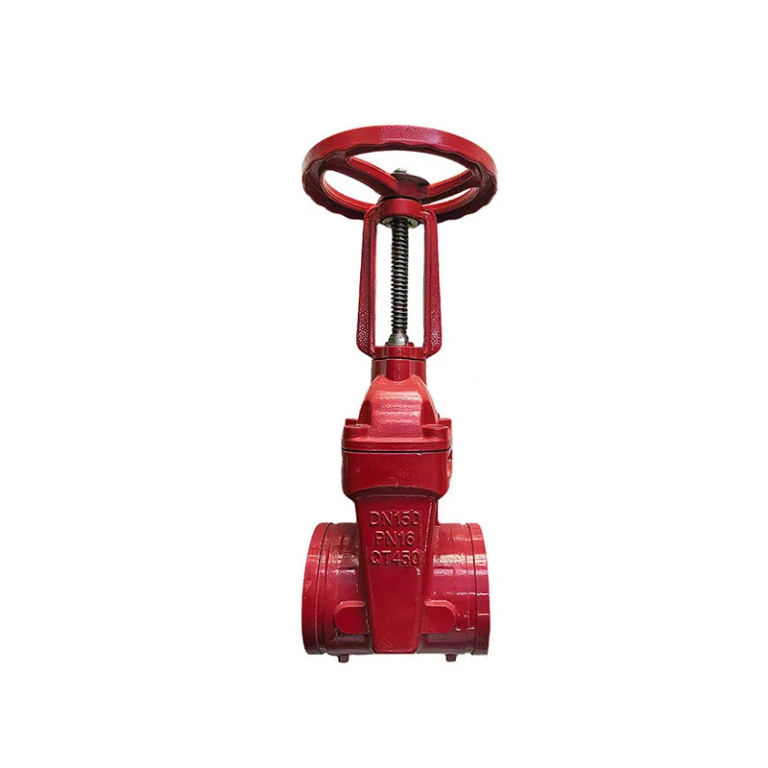
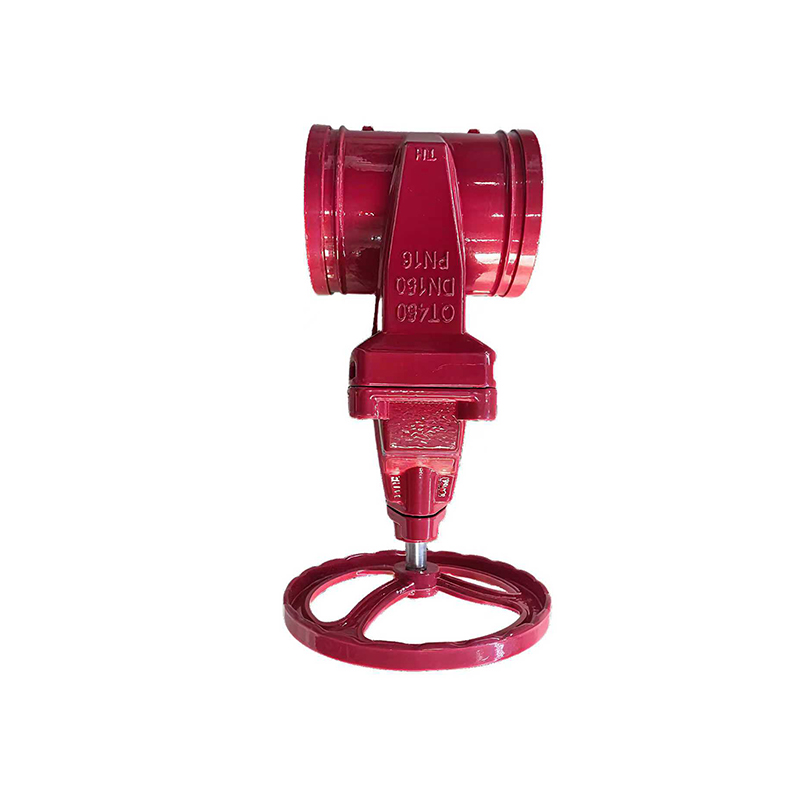
Grooved Non-rising Stem Soft Seal Signal Gate Valve
A gate valve is a linear motion valve designed to start or stop fluid flow by lifting or lowering a gate inside the valve body. Unlike globe valves, gate valves are intended for fully open or fully closed service, making them ideal for minimizing pressure loss in piping systems.
Gate valves are commonly used in:
Choosing the correct valve ensures reliable system operation and extends equipment service life.
Every piping system has unique pressure, temperature, and media requirements. Selecting an unsuitable valve may cause premature wear, leakage, corrosion, or operational failure.
When you properly choose gate valve products, you can:
Working with an experienced industrial valve supplier also helps ensure the valve matches your project's technical specifications and certification requirements.
Pressure rating is one of the most important selection criteria.
The valve's pressure class must meet or exceed the maximum working pressure of the system.
Common pressure ratings include:
Always consider pressure surges and safety margins when selecting the appropriate pressure rating.
The connection method should match your pipeline design and installation requirements.
Common connection types include:
The proper connection improves installation efficiency and helps prevent leakage during operation.
Material selection directly affects corrosion resistance, durability, and service life.
Popular materials include:
Choose materials based on the operating environment and fluid characteristics.
Different media require different sealing materials and valve body constructions.
Typical applications include:
The compatibility between valve materials and the working medium is essential for long-term performance.
Operating temperature significantly influences valve performance.
Consider both normal operating temperature and occasional peak temperatures.
Typical temperature ranges include:
The correct seat material and sealing design depend on the application's temperature requirements.
Industrial projects often require internationally recognized certifications.
Common certifications include:
Certified products help ensure quality consistency, regulatory compliance, and project approval.
Selecting a trusted manufacturer is just as important as selecting the valve itself.
A professional industrial valve supplier should offer:
Working with an experienced manufacturer reduces procurement risks and improves long-term project success.
For complete pipeline solutions, buyers should also review the supplier's product catalog to ensure compatibility across different valve types, including Gate Valves, Globe Valves, Check Valves, Ball Valves, Butterfly Valves, Strainers, and other industrial flow control products.
Gate valves are widely used across numerous industries, including:
Selecting the right gate valve helps improve operational efficiency and reduce lifecycle costs.
As a professional industrial valve supplier, HuLu provides a comprehensive range of high-quality industrial valves designed to meet international standards and demanding operating conditions.
Our advantages include:
Whether you need standard valves or customized flow control solutions, we are committed to delivering reliable products that help your projects operate safely and efficiently.
How do I choose the correct gate valve pressure rating?
Select a valve with a pressure rating equal to or higher than your system's maximum operating pressure, including safety margins.
Which valve material is best for corrosive media?
Stainless steel, duplex stainless steel, or other corrosion-resistant alloys are generally recommended for aggressive chemicals and seawater.
Why is certification important when purchasing industrial valves?
Certifications verify product quality, manufacturing standards, and compliance with project specifications.
Can one supplier provide multiple valve types?
Yes. A professional industrial valve supplier typically offers a complete range of industrial valves, simplifying procurement and ensuring product compatibility.
How can I reduce maintenance costs?
Choose valves with appropriate materials, correct pressure ratings, certified quality, and purchase from experienced manufacturers with proven quality control.
Looking for a reliable industrial valve supplier?
We provide high-quality gate valves and a complete range of industrial flow control products for water treatment, oil and gas, chemical processing, power generation, and industrial applications.
Browse our All Products collection to find the right valve solution for your project, or contact our technical team for expert selection support and a customized quotation.
Latest News
Sep. 28, 2026
How to Specify Industrial Valves for Fire Protection, Water Treatment, and HVAC Applications
Sep. 28, 2026
How to Define Technical Drawings and Specifications When Ordering OEM Cast Iron Fittings
Sep. 24, 2026
When to Use Threaded Pipe Fittings vs Grooved Systems Based on Pipe Diameter and Application
Sep. 24, 2026
How Grooved Pipe Fittings Reduce Installation Time in Large-Scale HVAC and Industrial Projects
Hot Products