

+86 185 4892 6888

Aug. 25, 2026
The global ductile iron pipe market is projected at USD 8.95–9.36 billion in 2026, growing at 5.8–7.6% CAGR toward USD 14–16.8 billion by 2034, driven by a once-in-a-generation wave of water infrastructure renewal. The U.S. EPA's revised Lead and Copper Rule is forcing utilities to replace legacy cast-iron distribution networks, Japan's seismic pipeline standards mandate ductile iron in fault zones, India's Smart Cities Mission is deploying pressure-rated trunk mains, and aging concrete, asbestos-cement, and grey cast-iron pipes are being retired across developed and emerging markets alike.
Asia-Pacific accounts for roughly half of global demand, while China's foundry exports — winning 68% of Saudi ductile iron packages in Q1 2026 at prices 18–24% below European and Indian bidders — are reshaping trade flows. New lining and coating standards, notably ISO 4179:2024 for cement mortar linings, plus ISO 2531 and EN 545 qualification, are tightening supplier eligibility. For manufacturers and distributors of ductile iron pipes and fittings, the 2026 signal is clear: certified, coated, compliance-ready products win tenders.
|
Data Point |
Value |
Source |
|
Global ductile iron pipe market, 2026 |
USD 8.95B → USD 14.03B by 2034 (5.8% CAGR) |
Fortune Business Insights |
|
Global ductile iron pipe market, 2026 |
USD 9.36B → USD 16.76B by 2034 (7.56% CAGR) |
Value Market Research |
|
Ductile iron pipes & fittings, 2026 |
USD 14.8B → USD 24.37B by 2035 (5.7% CAGR) |
MarkWide Research |
|
Asia-Pacific share, 2025 |
46.8–51.4% of global demand |
Fortune / Value Market Research |
|
China ex-works price, Q4 2025 |
RMB 6,850/tonne, down 11.4% year-on-year |
PW Consulting |
|
Saudi Q1 2026 tenders won by Chinese foundries |
68% of packages, priced 18–24% below EU/India bidders |
PW Consulting |
|
U.S. ductile iron imports 2025 |
From India +27% (68,400 t); from China −42% (19,200 t) |
PW Consulting |
|
EU production 2024 |
680,000 t — lowest since 2012 |
European Ductile Iron Pipe Association |
1. Water infrastructure renewal is a global mandate. The U.S. EPA's revised Lead and Copper Rule compels utilities to replace aging distribution networks with corrosion-resistant ductile iron, while parallel drinking-water quality mandates in India and China are forcing simultaneous upgrades. Aging concrete, asbestos-cement, and grey cast-iron pipelines are at the end of their service life in both developed and emerging economies, creating a long-term demand base that is far less sensitive to short-term economic cycles.
2. Resilience is now a specification, not a preference. Rising flood, ground-movement, and extreme-weather events are pushing utilities toward pipeline materials that absorb external stress without catastrophic failure. Ductile iron's flexibility, joint integrity, and load-bearing capacity make it the default choice for trunk mains, transmission pipelines, and critical pressure zones where failure risk carries high economic and social cost. Japan's METI-driven standards now mandate ductile iron in high-risk fault zones.
3. New standards are tightening supplier eligibility. ISO 4179:2024 (cement mortar linings on ductile iron pipes and fittings, published February 2024) is pushing suppliers to align designs and quality control with standardized lining expectations. Alongside ISO 2531 and EN 545/598 dimensional and joint standards, AWWA C151 qualification in the U.S., and India's BIS certification, these frameworks are reshaping who can bid on municipal tenders. Lifecycle cost analysis and embodied-carbon disclosure are increasingly embedded in procurement specifications.
4. Asia-Pacific is the demand center and the supply battleground. Rapid urbanization and infrastructure build-outs in China, India, and Southeast Asia concentrate demand, while Chinese foundry overcapacity creates price-floor pressure on export markets. In Q1 2026, Chinese manufacturers won 68% of Saudi Water Partnership Company ductile iron packages at prices 18–24% below European and Indian bidders — while U.S. Section 232 tariffs redirected imports from China (−42%) toward India (+27%). Trade policy is now as influential as infrastructure need.
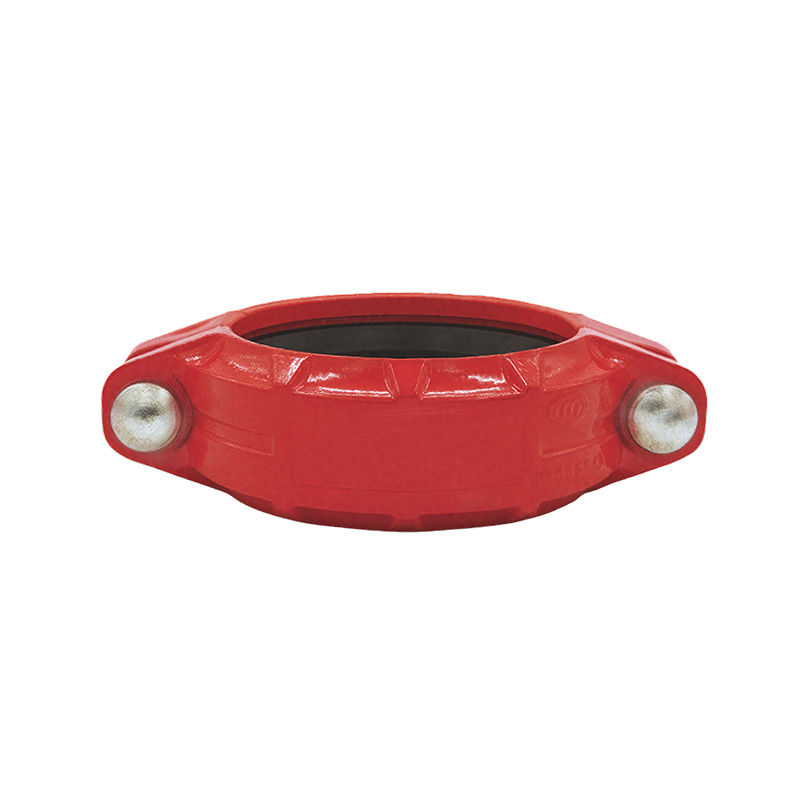
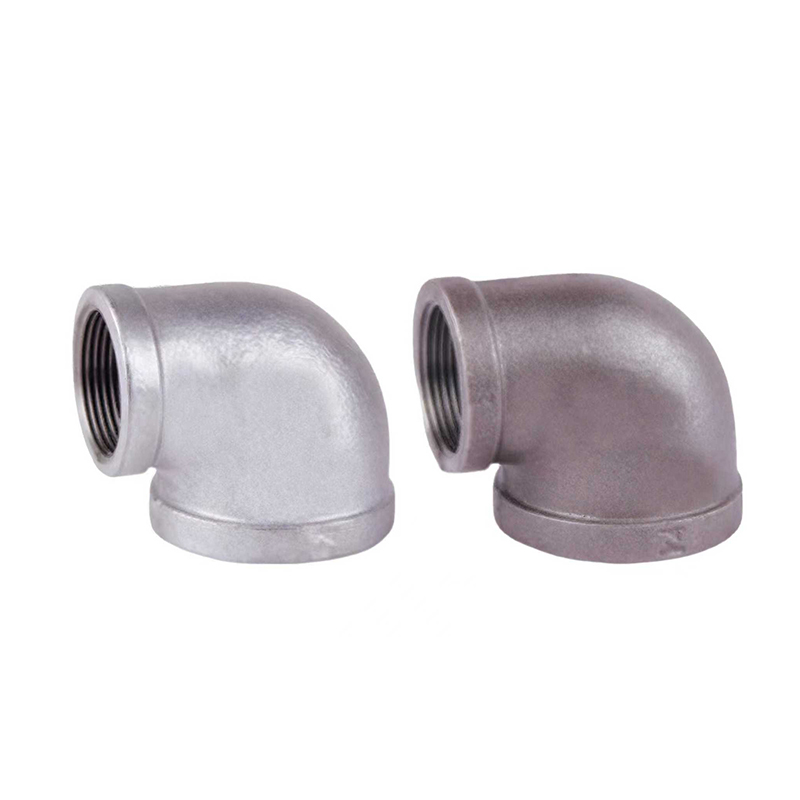
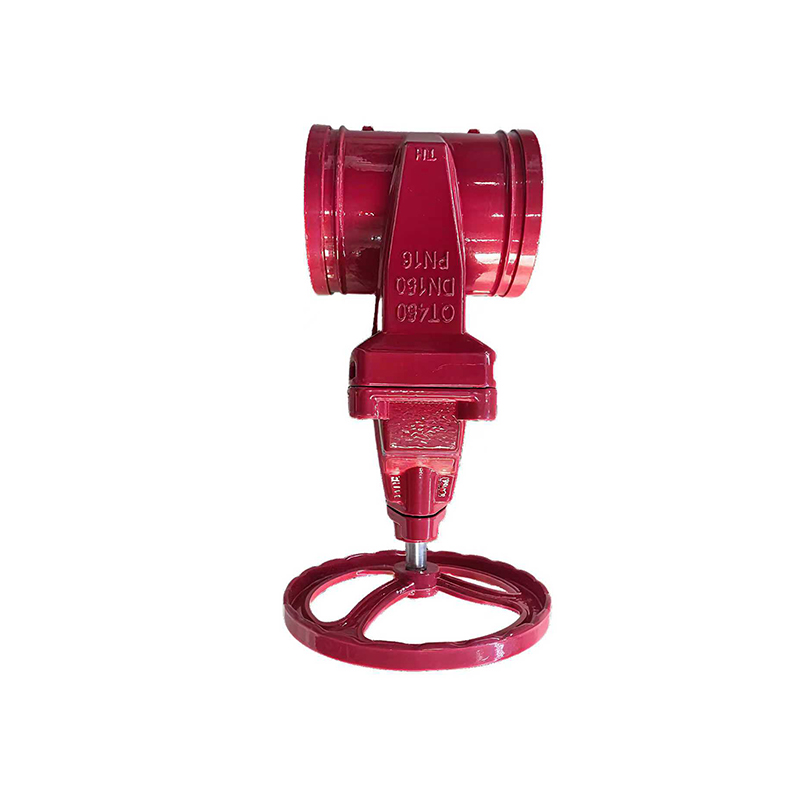
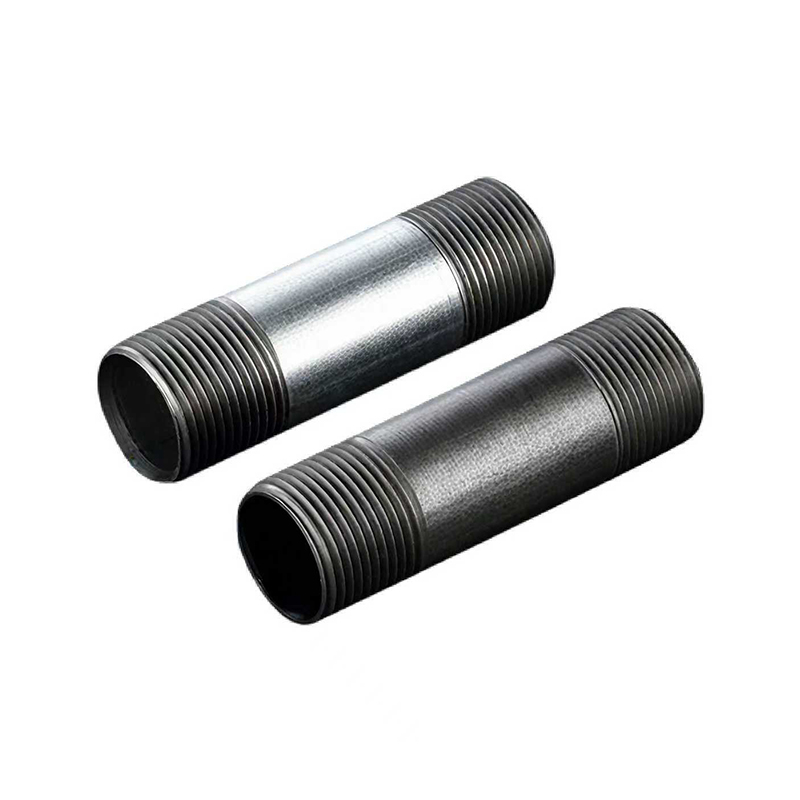
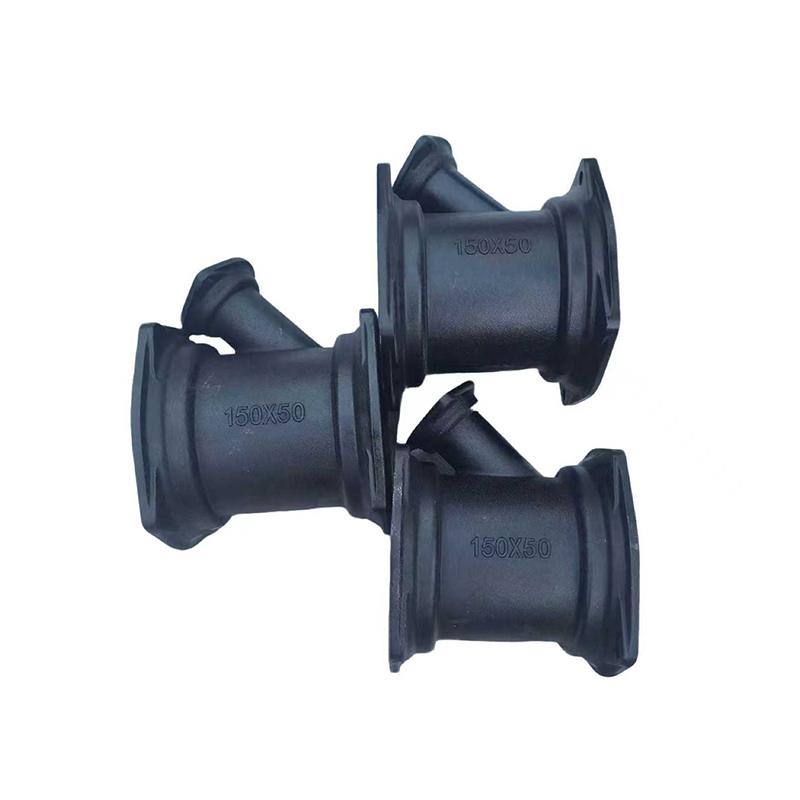
HuLu supplies both ductile iron pipe and ductile iron pipe fittings, with application experience across water supply piping and water affairs projects.
HuLu (Hulu Casting) has specialized in the foundry sector for over 30 years since 1995, operating an integrated R&D–production–sales system focused on cast iron pipe fittings and valves. The company employs approximately 1,000 skilled personnel with a dedicated 200-strong pre-sales and after-sales team, maintains an 8,000+ product portfolio with 200+ available mold styles, and achieves a reorder rate exceeding 80%. Product lines span grooved pipe fittings, malleable iron pipe fittings, valves, ductile iron pipes and fittings, and steel pipes, with reference installations including the Hong Kong–Zhuhai–Macao Bridge, Beijing Daxing Airport, and Suzhou Central Plaza.
For ductile iron pipe and fittings inquiries, contact hulu@hulucasting.com.
Keywords: ductile iron pipe market 2026, ductile iron pipe, water infrastructure renewal, ISO 4179, ductile iron pipe fittings, municipal water supply
Latest News
Aug. 25, 2026
Aug. 25, 2026
Ductile Iron Pipe Market 2026: Water Infrastructure Renewal, New Standards, and Asia-Pacific Demand
Aug. 24, 2026
Surface Finish and Coating Customization Options for OEM Cast Iron Pipe Fittings Exports
Aug. 24, 2026
Wall Thickness and Schedule Standards for Seamless Carbon Steel Pipes in Industrial Use
Hot Products