

+86 185 4892 6888

Jul. 15, 2026
Selecting the appropriate malleable iron pipe fitting is critical for ensuring the safety, reliability, and long-term performance of industrial piping systems. Whether used in water distribution, compressed air, fire protection, gas supply, or mechanical systems, pipe fittings must withstand operating pressure, environmental conditions, and repeated use.
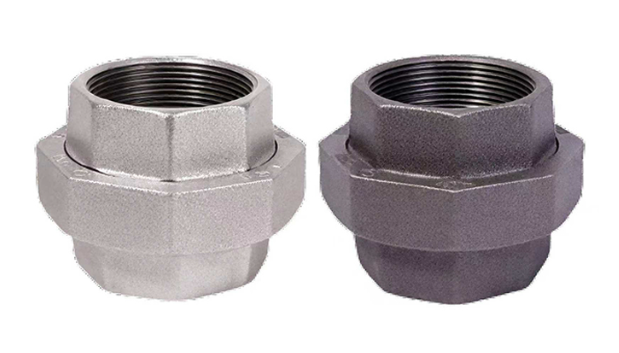
Malleable cast iron pipe fittings are durable threaded connectors used in gas, oil, water and HVAC systems. They are heat-treated to provide crack resistance and high-pressure tolerance. Common surface finishes include black (for gas and fuel) and galvanised (for water), and they are available in a variety of specifications, including elbows, tees, pipe couplings and union fittings.
For engineers, contractors, and industrial buyers, proper pipe fitting selection involves more than choosing the correct size. Factors such as pressure rating, thread standard, material grade, corrosion resistance, and installation environment all influence system performance and maintenance costs.
HuLu manufactures high-quality industrial pipe fittings for global distributors, OEMs, and engineering projects, offering reliable casting quality and strict quality control.
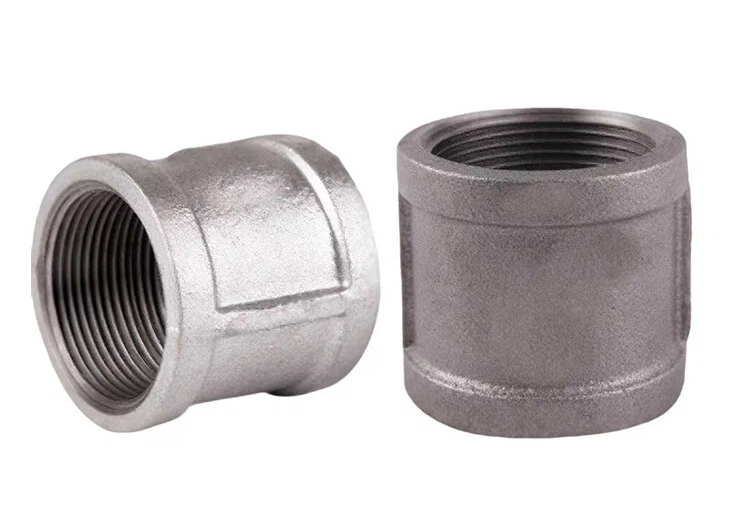
220 Malleable Iron Sleeve Coupling
Malleable iron pipe fittings are produced by heat-treating white cast iron to improve ductility, toughness, and impact resistance. Compared with ordinary cast iron, malleable iron offers greater mechanical strength while maintaining excellent machinability.
Malleable cast iron pipe fittings are produced using a specialised annealing heat treatment process, which transforms white cast iron into malleable cast iron. This process reduces brittleness and improves machinability and ductility, making malleable cast iron an ideal material for applications requiring both toughness and strength.
The excellent machinability and wear resistance of malleable cast iron pipe fittings make them a durable and efficient manufacturing choice. Malleable cast iron can withstand high stresses without fracturing, making it a reliable material for critical infrastructure and mechanical components. It is widely used in the automotive, construction and heavy machinery industries. Furthermore, its inherent toughness makes malleable cast iron pipe fittings an ideal choice for pipework connections in residential, commercial and industrial settings.
Common fitting types include:
These fittings are widely used because they provide reliable threaded connections and long service life in industrial piping systems.
Malleable iron fittings are commonly installed in:
Their versatility makes them one of the most popular choices for threaded pipe systems.
Pressure rating is one of the most important considerations when selecting industrial pipe fittings.
Buyers should evaluate:
Selecting fittings with insufficient pressure ratings can lead to leakage, joint failure, or system shutdown.
Operating temperature also affects pressure capacity.
Higher temperatures may reduce allowable working pressure, making it important to verify both pressure and temperature ratings during product selection.
For demanding industrial environments, always select fittings that meet or exceed the required operating conditions.
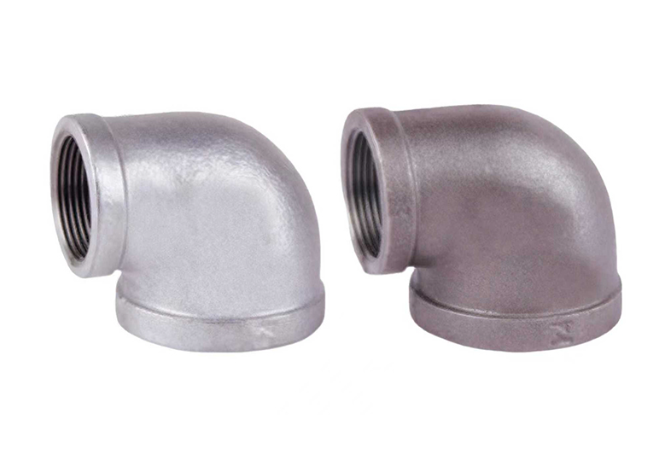
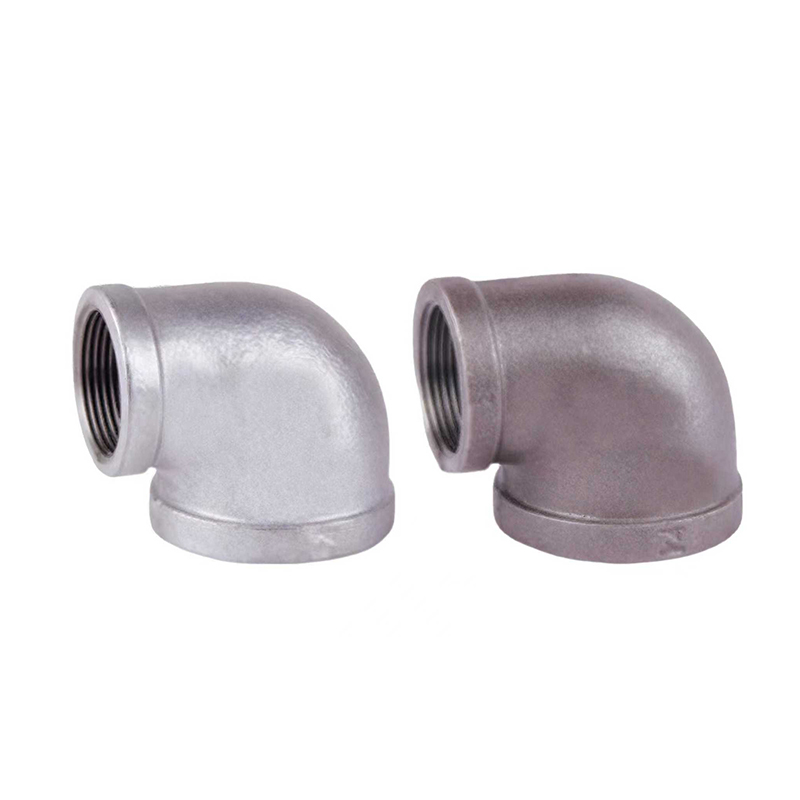
Malleable Cast Iron 90° Equal Elbow
Thread compatibility ensures leak-free installation.
Common thread standards include:
Using mismatched thread standards may cause:
Before purchasing, buyers should confirm the thread specifications required by their piping system.
High-quality threaded fittings provide:
Precision machining helps minimize maintenance and improve connection reliability.
The material grade determines the fitting's:
High-quality malleable iron undergoes controlled heat treatment to achieve consistent mechanical performance.
Reliable material quality is especially important for high-pressure and safety-critical applications.
Professional manufacturers produce fittings according to internationally recognized standards to ensure dimensional accuracy and material consistency.
Industrial buyers should request material certifications and quality inspection reports before placing bulk orders.
Surface treatment improves durability and extends product life.
Common finishes include:
Galvanized fittings provide enhanced corrosion resistance and are widely used in outdoor or humid environments.
Black fittings are commonly selected for indoor industrial applications where corrosion exposure is limited.
A high-quality surface finish helps:
Uniform coating thickness also contributes to better long-term performance.
The installation environment significantly affects fitting selection.
Consider:
Projects in coastal or chemical processing environments often require higher levels of corrosion protection.
Additional protective coatings can reduce:
Selecting corrosion-resistant fittings lowers replacement frequency and improves system reliability.
Indoor applications generally experience more stable environmental conditions.
Typical uses include:
Standard black malleable iron fittings may be sufficient for these environments.
Outdoor systems require fittings capable of resisting:
Galvanized or specially coated fittings are recommended for long-term outdoor durability.
Selecting the lowest-priced fittings may result in:
The total lifecycle cost is often more important than the initial purchase price.
Buyers should always verify:
Correct product selection helps prevent costly installation issues.
A reliable manufacturer should offer:
Working with an experienced supplier reduces procurement risks.
HuLu specializes in manufacturing high-quality malleable iron pipe fittings for industrial applications worldwide.
Advantages include:
Whether you need standard threaded fittings or customized industrial solutions, HuLu provides dependable products designed for long-term performance.
For product information and customized quotations:
HuLu
Email: hulu@hulucasting.com
Email: h18548926888@qq.com
They are used to connect threaded pipes in water, gas, HVAC, fire protection, compressed air, and industrial piping systems.
Consider pressure rating, thread standard, material grade, corrosion resistance, surface finish, and the installation environment.
Galvanized fittings provide superior corrosion resistance and are generally preferred for outdoor or humid environments, while black fittings are commonly used in indoor systems.
Verify the pipe size, thread standard, pressure rating, and application requirements before purchasing, and work with an experienced manufacturer that can provide technical support and quality documentation.
Latest News
Sep. 28, 2026
How to Specify Industrial Valves for Fire Protection, Water Treatment, and HVAC Applications
Sep. 28, 2026
How to Define Technical Drawings and Specifications When Ordering OEM Cast Iron Fittings
Sep. 24, 2026
When to Use Threaded Pipe Fittings vs Grooved Systems Based on Pipe Diameter and Application
Sep. 24, 2026
How Grooved Pipe Fittings Reduce Installation Time in Large-Scale HVAC and Industrial Projects
Hot Products