

+86 185 4892 6888

FAQ
HuLu has specialised in the foundry sector for over 30 years since 1995. Commencing with in-house mould development, we have established an integrated ‘R&D - Production - Sales’ system, specialising in cast iron pipe fittings and valves. We have since become a highly trusted manufacturer and supplier within the industry. Currently, the company employs approximately 1,000 skilled personnel and maintains a dedicated 200-strong pre-sales and after-sales team, ensuring comprehensive service quality throughout the entire process.

What is the technical difference between "black" and "galvanized" fittings?
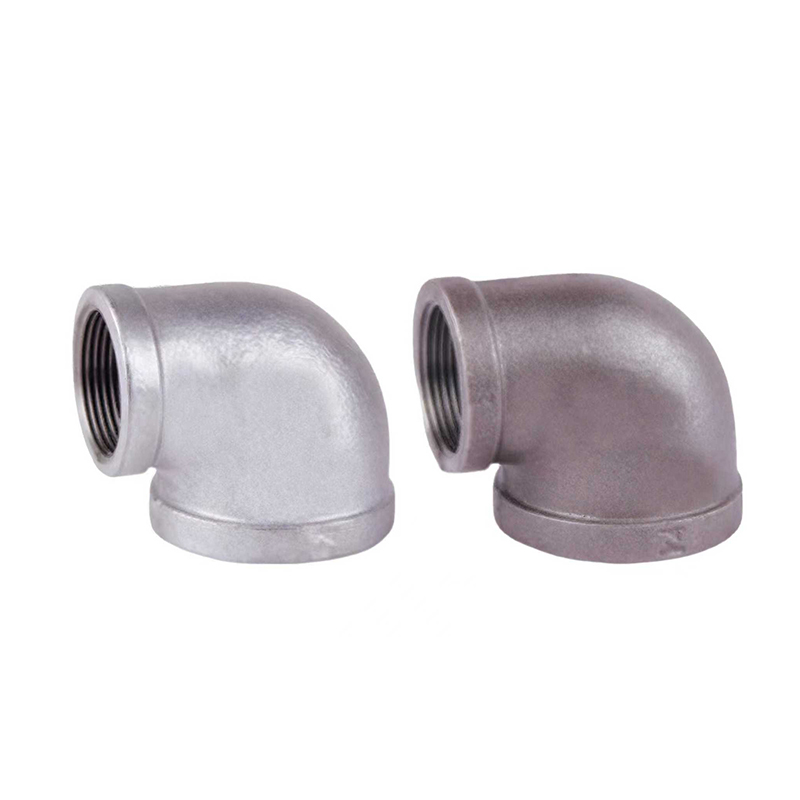
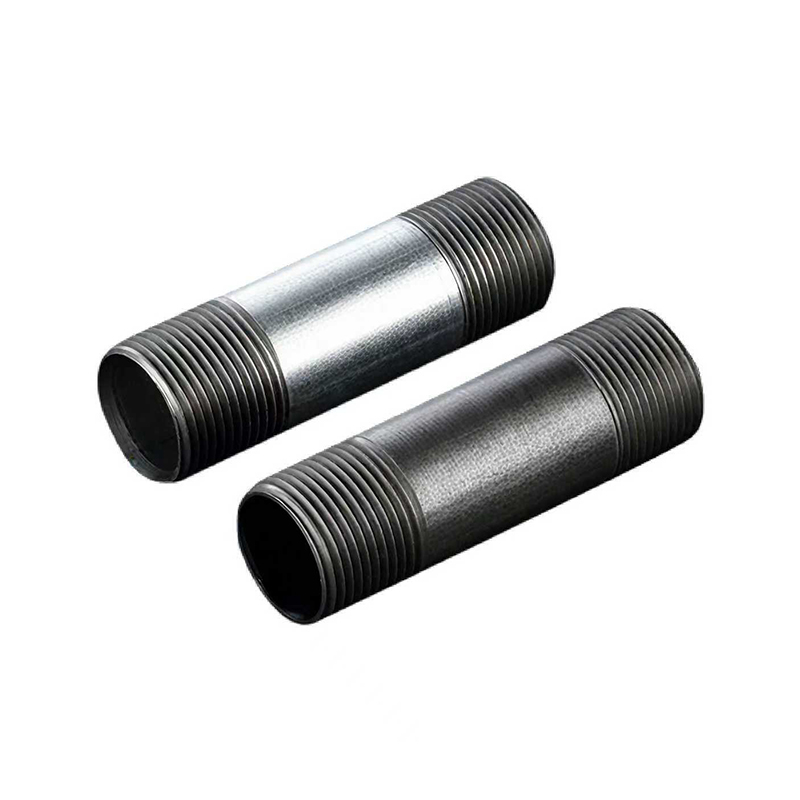
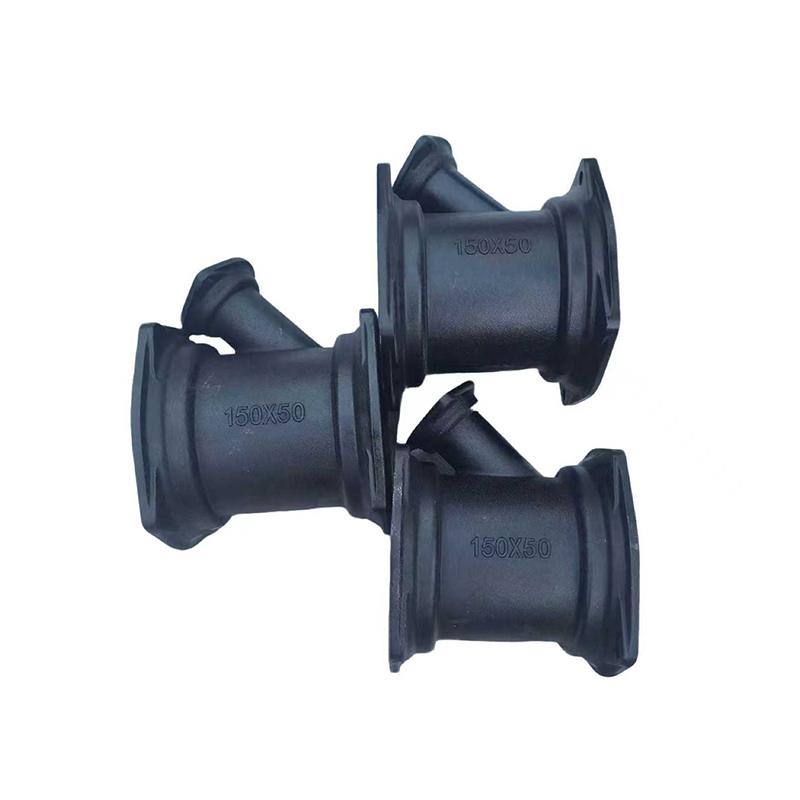
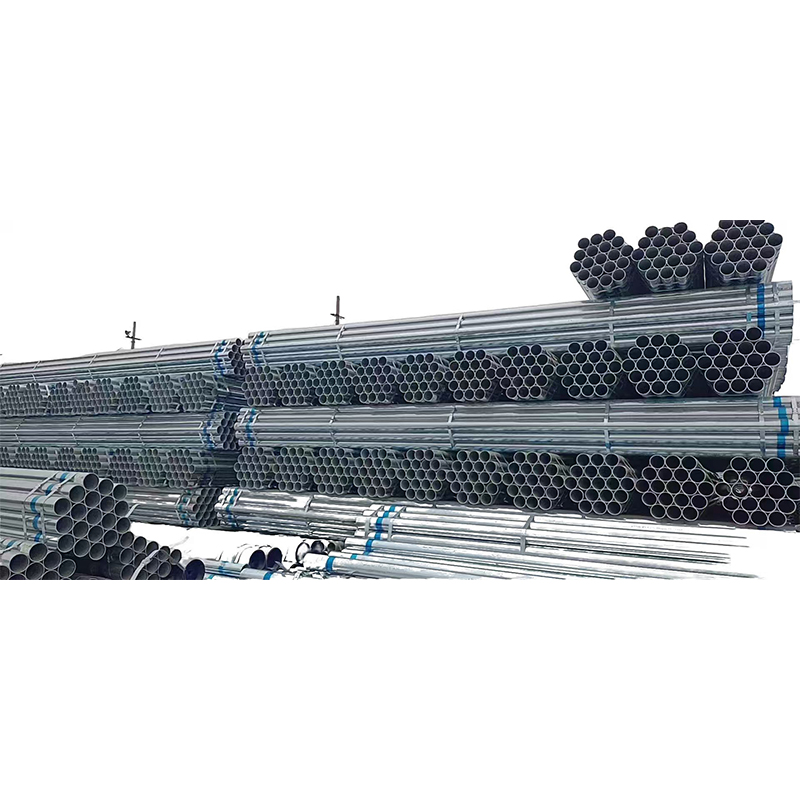
The difference lies in the surface treatment and intended use. Black fittings are coated with a proprietary anti-rust oil. They are primarily used in natural gas pipelines, steam systems, and oil transportation, where the presence of zinc (present in the galvanized coating) can peel off and clog sensitive valves or burners. Galvanized fittings, on the other hand, are hot-dipped in a zinc bath, providing high corrosion resistance for drinking water systems and outdoor environments. From a metallurgical perspective, the iron body is the same; only the protective barriers differ to accommodate chemical compatibility.
What do "UL Listed" and "FM Approved" actually mean for a project?
These certifications are independent safety verifications. UL (Underwriters Laboratories) focuses on the structural integrity and burst pressure of fittings. FM (Factories Mutual) focuses on preventing property damage, ensuring fittings can withstand fire and mechanical impact. For contractors, using UL/FM certified fittings means installations will pass fire chief inspections, and building owners can obtain lower insurance premiums because the risk of catastrophic pipe failure is minimized.
Can it be used in high-pressure hydraulic systems?
While malleable cast iron is very robust, it is typically rated for Class 150 (300 PSI) or Class 300 (1,500 PSI) applications. For hydraulic systems exceeding 3,000 PSI, forged steel fittings are generally required. However, for most industrial hydraulic return lines and medium-pressure systems, Class 300 malleable cast iron fittings are an excellent, cost-effective choice, offering superior vibration damping compared to rigid steel.
What if the fitting surface discolors?
For black fittings, the surface is coated with anti-rust oil. Some surface oxidation (orange tinge) may occur if stored in a high-humidity environment for an extended period. This is usually superficial and does not affect the structural integrity of "heavy-duty" walls. However, for critical applications, fittings should be wiped clean and re-oiled, or stored in their original double-walled prefabricated packaging until installation.
How is thread compatibility between different global standards guaranteed?
This is achieved through CNC precision. The global market is divided into BSPT (British Standard) and NPT (American Standard). These threads have different angles (55° vs. 60°) and different pitches. A separate, dedicated CNC tool is used for each standard. We use a "standard gauge" to verify the 1:16 taper ratio. Never mix these threads in the field; this is a crucial safety rule, as they may appear to fit but will eventually fail under pressure. We clearly mark this on the packaging to prevent these field errors.