

+86 185 4892 6888

Metal Forming Dies
Grooved Pipe Fittings
Malleable Iron Pipe Fittings
Valve
Standard Component&Part
Ductile Iron Pipes and Fittings
Steel Pipe
Standard Component&Part
Threaded pipe fittings remain one of the most widely used connection methods in piping systems, especially for low to medium pressure applications. For distributors, contractors, and industrial buyers, choosing a professional Pipe Fittings Manufacturer ensures not only compatibility and sealing reliability, but also long-term system stability and cost efficiency.
This page provides a complete overview of threaded pipe fittings, including product types, technical characteristics, performance advantages, and supplier selection criteria—helping buyers evaluate the right manufacturing partner.
Threaded pipe fittings are connectors designed with internal or external threads, allowing pipes to be joined without welding. They are widely used in systems where easy installation, maintenance, and replacement are required.
This makes threaded fittings ideal for projects with tight timelines or limited installation conditions.
Threaded fittings are manufactured according to international standards:
This ensures compatibility across global markets and simplifies sourcing for distributors.
Threaded pipe fittings are available in various materials depending on application requirements:
Each material offers different levels of strength, corrosion resistance, and cost efficiency.
A reliable threaded pipe fittings manufacturer should provide a complete product range:
| Type | Function |
|---|---|
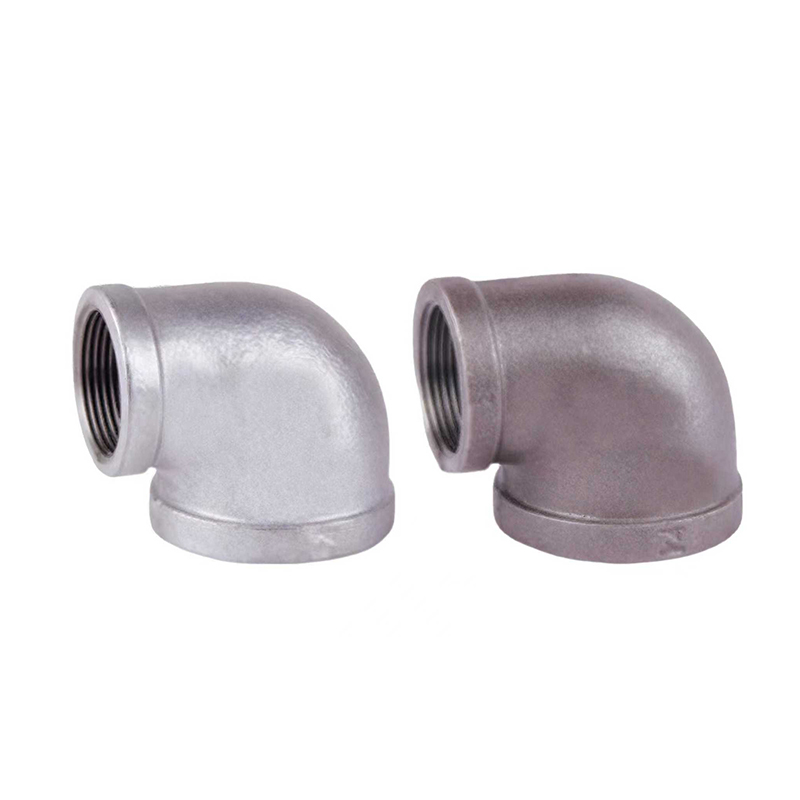
| Elbow (45° / 90°) | Changes flow direction |
| Tee | Branches or combines pipelines |
| Cross | Four-way connection |
| Coupling | Connects two pipes |
| Union | Allows easy disconnection |
| Reducer / Bushing | Connects different pipe sizes |
| Cap | Seals pipe end externally |
| Plug | Closes internal threads |
High-quality threaded fittings depend on strict manufacturing control:
| Parameter | Typical Range |
|---|---|
| Size Range | 1/8" – 4" |
| Thread Type | NPT / BSPT / BSPP |
| Material | Iron, Steel, Stainless Steel, Brass |
| Pressure Rating | Low to medium pressure |
| Surface Finish | Galvanized, Black, Polished |
| Application Media | Water, Gas, Oil, Air |
Threaded pipe fittings are widely used in:
| Feature | Threaded | Welded | Grooved |
|---|---|---|---|
| Installation | Easy | Complex | Very fast |
| Equipment Required | Minimal | High | Moderate |
| Maintenance | Easy | Difficult | Very easy |
| Flexibility | Medium | Low | High |
| Best Use | Small-medium systems | High-pressure systems | Large-scale systems |
Working with the right manufacturer means fewer risks, smoother procurement, and more predictable project outcomes. HULU is structured to meet the key requirements that matter most to distributors, contractors, and industrial buyers—so you can source with confidence and reduce operational pressure.
Threaded pipe fittings remain a practical and cost-effective solution for a wide range of piping systems. Their ease of installation, strong sealing performance, and compatibility with global standards make them a preferred choice for distributors and contractors worldwide.
For buyers sourcing from a threaded pipe fittings manufacturer, the key lies in selecting a supplier with strong machining precision, consistent quality control, and reliable supply capability—ensuring stable performance across every application.
HULU provides high-quality threaded pipe fittings engineered for precision, durability, and global compatibility—helping you build efficient and reliable piping systems with confidence.

FAQ

What is the technical difference between "black" and "galvanized" fittings?
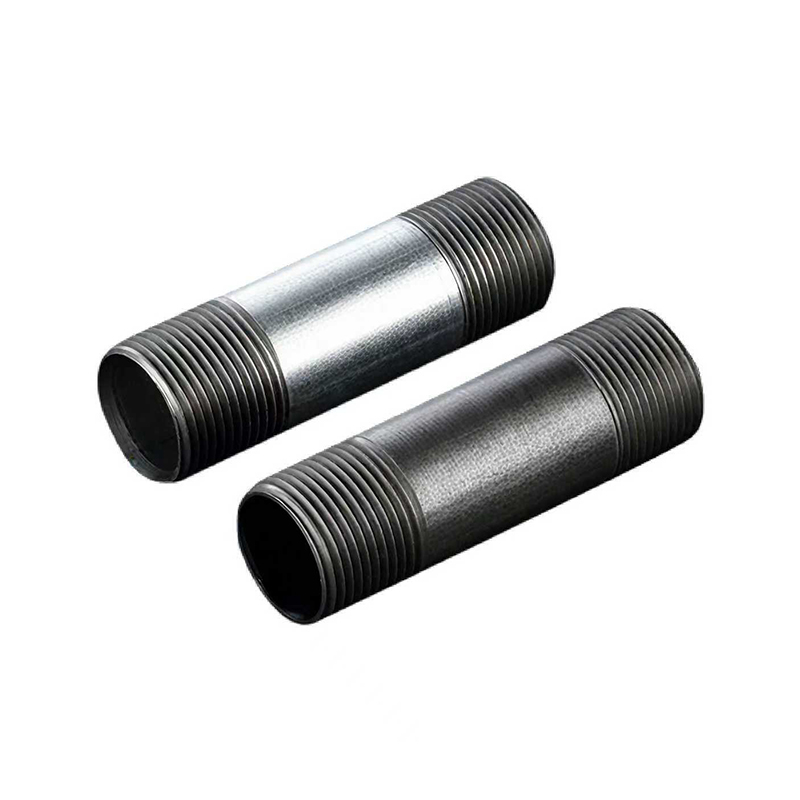
The difference lies in the surface treatment and intended use. Black fittings are coated with a proprietary anti-rust oil. They are primarily used in natural gas pipelines, steam systems, and oil transportation, where the presence of zinc (present in the galvanized coating) can peel off and clog sensitive valves or burners. Galvanized fittings, on the other hand, are hot-dipped in a zinc bath, providing high corrosion resistance for drinking water systems and outdoor environments. From a metallurgical perspective, the iron body is the same; only the protective barriers differ to accommodate chemical compatibility.
What do "UL Listed" and "FM Approved" actually mean for a project?
These certifications are independent safety verifications. UL (Underwriters Laboratories) focuses on the structural integrity and burst pressure of fittings. FM (Factories Mutual) focuses on preventing property damage, ensuring fittings can withstand fire and mechanical impact. For contractors, using UL/FM certified fittings means installations will pass fire chief inspections, and building owners can obtain lower insurance premiums because the risk of catastrophic pipe failure is minimized.
What if the fitting surface discolors?
For black fittings, the surface is coated with anti-rust oil. Some surface oxidation (orange tinge) may occur if stored in a high-humidity environment for an extended period. This is usually superficial and does not affect the structural integrity of "heavy-duty" walls. However, for critical applications, fittings should be wiped clean and re-oiled, or stored in their original double-walled prefabricated packaging until installation.