

+86 185 4892 6888

Metal Forming Dies
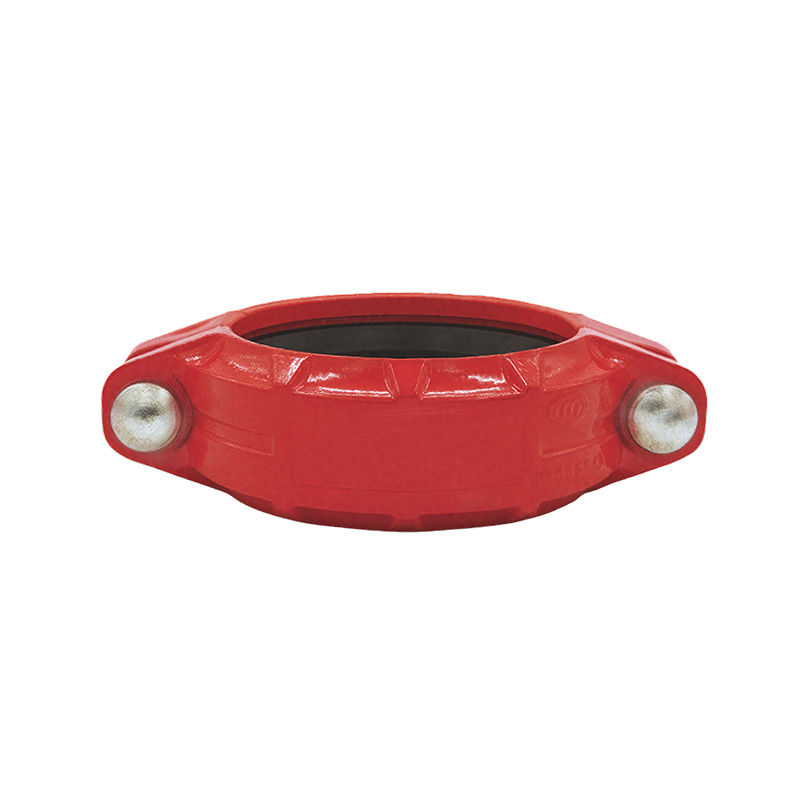
Grooved Pipe Fittings
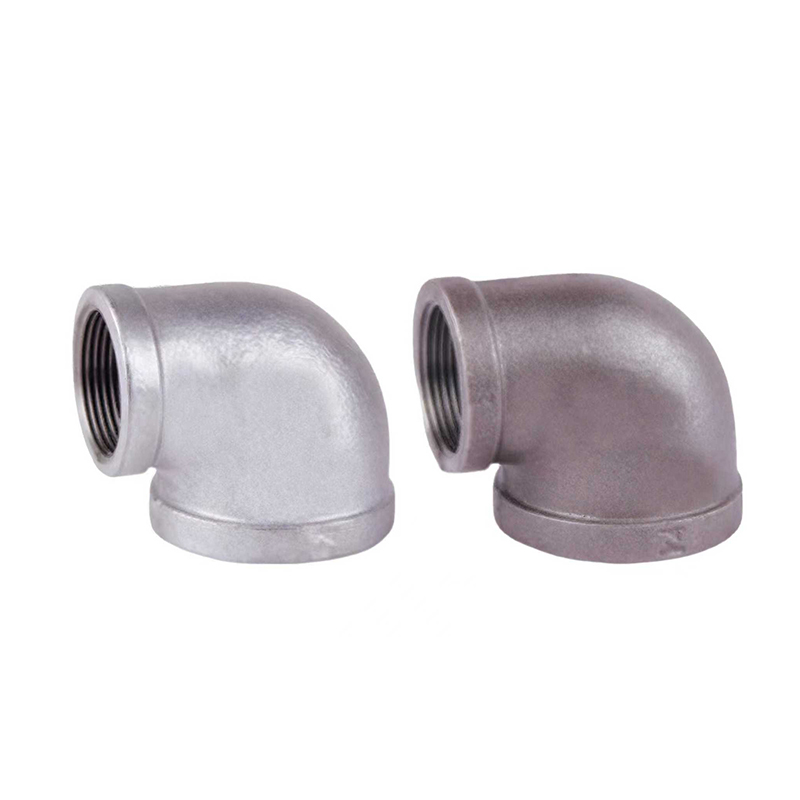
Malleable Iron Pipe Fittings
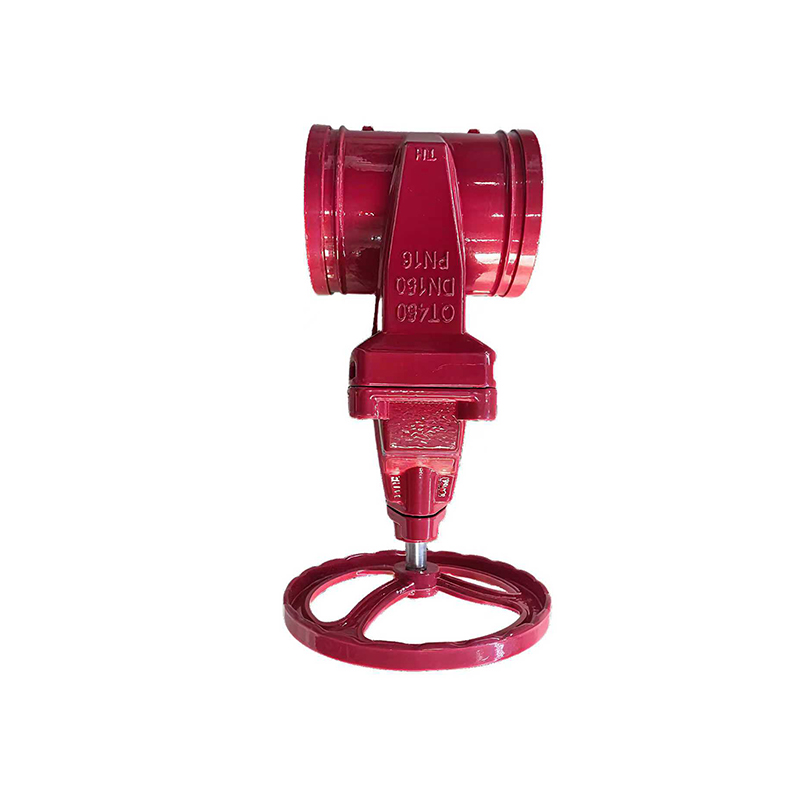
Valve
Standard Component&Part
Ductile Iron Pipes and Fittings
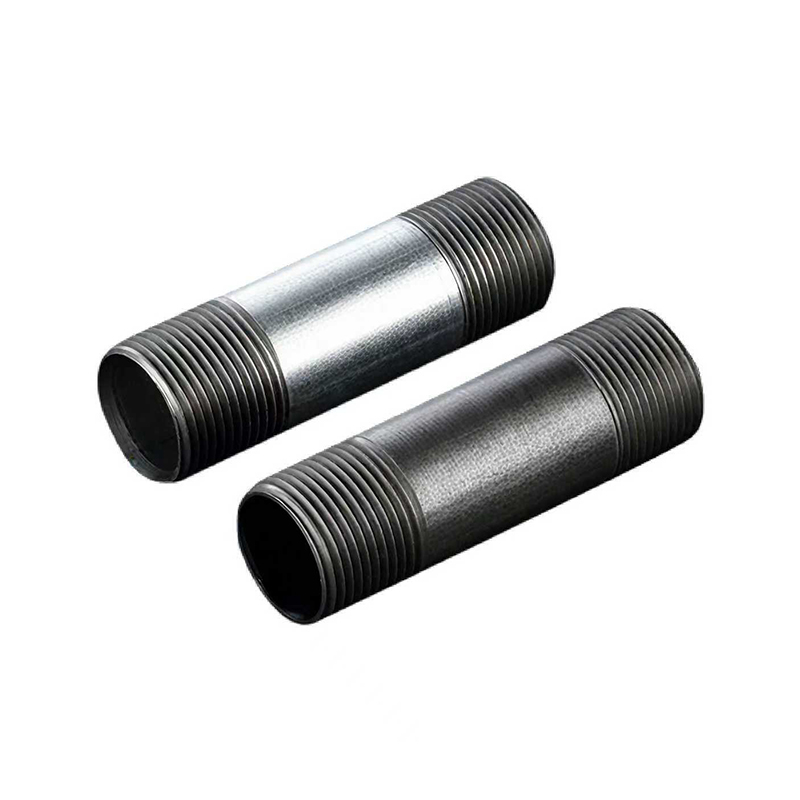
Steel Pipe
Ductile Iron Pipes and Fittings
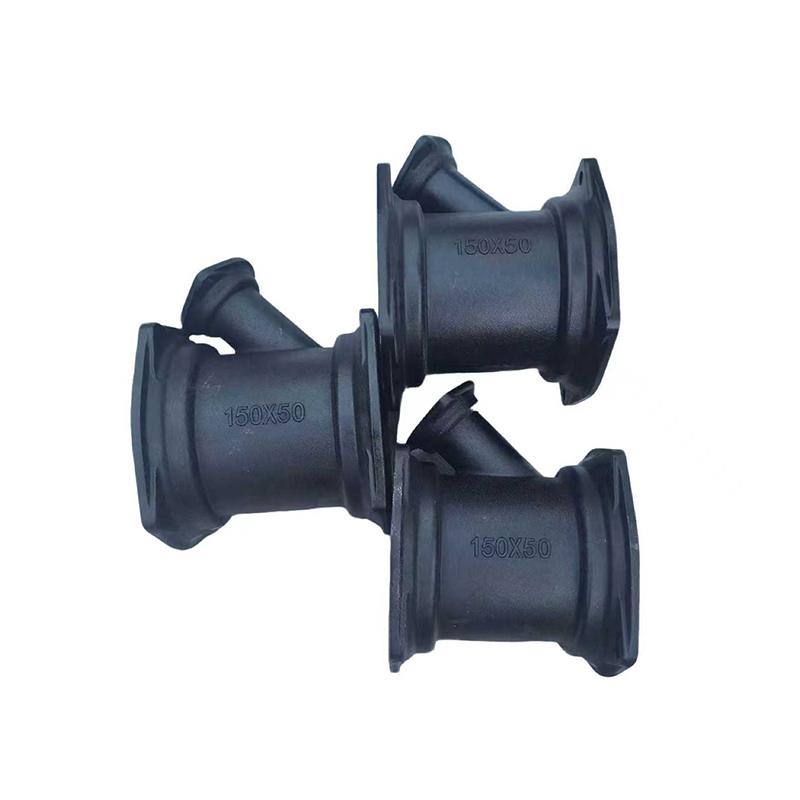
Ductile iron pipe fittings are critical components in modern pipeline infrastructure, especially for water supply, drainage, and large-scale fluid transport systems. For municipal contractors, EPC companies, and global distributors, selecting a reliable pipe fittings manufacturer ensures system durability, pressure resistance, and long-term operational safety.
Based on real engineering requirements and standardized production practices, this page integrates technical fundamentals, manufacturing processes, performance characteristics, and application scenarios—helping buyers fully understand the value of ductile iron systems.
Ductile iron pipe fittings are connectors used with ductile iron pipes, manufactured from nodular cast iron through advanced metallurgical processes.
Ductile iron pipes and fittings are high-strength cast iron products produced through:
This combination allows ductile iron to retain the corrosion resistance of cast iron while achieving mechanical properties similar to steel.
A professional ductile iron pipe fittings manufacturer must control every stage of production to ensure consistent quality:
Transforms graphite into spherical form, significantly improving:
Internal and external protection systems include:
Ductile iron pipe systems must comply with strict international and national standards:
These standards ensure compatibility, safety, and performance across global projects.
This is particularly critical in municipal underground pipelines.
A complete product portfolio typically includes:
| Type | Function |
|---|---|
| Elbow (11.25°–90°) | Changes flow direction |
| Tee (Equal / Reducing) | Branch connections |
| Reducer | Pipe diameter transition |
| Flange Adapter | Interface with flanged systems |
| Coupling | Connects pipe sections |
| End Cap | Seals pipeline ends |
Ductile iron pipe fittings are widely used in large-scale infrastructure systems:
| Parameter | Typical Range |
|---|---|
| Material | Ductile Iron (Nodular Cast Iron) |
| Size Range | DN80 – DN2600 |
| Pressure Rating | PN10 / PN16 / PN25 / PN40 |
| Internal Lining | Cement Mortar / Epoxy |
| External Coating | Zinc + Bitumen / Epoxy |
| Standards | GB, ISO, EN, AWWA |
Sourcing ductile iron pipe fittings for large projects involves strict technical and supply chain requirements. HULU is equipped to meet these demands with a structured and reliable approach:
Ductile iron pipe fittings are the backbone of modern water supply and drainage systems, offering unmatched strength, corrosion resistance, and long service life. Their ability to perform reliably under pressure and environmental stress makes them indispensable in municipal and industrial infrastructure.
For buyers seeking a dependable ductile iron pipe fittings manufacturer, the focus should be on manufacturing capability, coating technology, standard compliance, and supply reliability—ensuring project success from installation to decades of operation.
HULU delivers high-performance ductile iron pipe fittings engineered for strength, durability, and long-term infrastructure reliability—helping you build safer and more efficient pipeline systems worldwide.

FAQ

What is the technical difference between "black" and "galvanized" fittings?
The difference lies in the surface treatment and intended use. Black fittings are coated with a proprietary anti-rust oil. They are primarily used in natural gas pipelines, steam systems, and oil transportation, where the presence of zinc (present in the galvanized coating) can peel off and clog sensitive valves or burners. Galvanized fittings, on the other hand, are hot-dipped in a zinc bath, providing high corrosion resistance for drinking water systems and outdoor environments. From a metallurgical perspective, the iron body is the same; only the protective barriers differ to accommodate chemical compatibility.
What do "UL Listed" and "FM Approved" actually mean for a project?
These certifications are independent safety verifications. UL (Underwriters Laboratories) focuses on the structural integrity and burst pressure of fittings. FM (Factories Mutual) focuses on preventing property damage, ensuring fittings can withstand fire and mechanical impact. For contractors, using UL/FM certified fittings means installations will pass fire chief inspections, and building owners can obtain lower insurance premiums because the risk of catastrophic pipe failure is minimized.
What if the fitting surface discolors?
For black fittings, the surface is coated with anti-rust oil. Some surface oxidation (orange tinge) may occur if stored in a high-humidity environment for an extended period. This is usually superficial and does not affect the structural integrity of "heavy-duty" walls. However, for critical applications, fittings should be wiped clean and re-oiled, or stored in their original double-walled prefabricated packaging until installation.