

+86 185 4892 6888

Metal Forming Dies
Grooved Pipe Fittings
Malleable Iron Pipe Fittings
Valve
Standard Component&Part
Ductile Iron Pipes and Fittings
Steel Pipe
Grooved Pipe Fittings
Grooved pipe fittings have become the preferred connection method in modern piping systems, replacing traditional welding and flange connections across industries such as fire protection, HVAC, water treatment, oil & gas, and municipal infrastructure. For EPC contractors, distributors, and system integrators, selecting a dependable Pipe Fittings Manufacturer is not just about product availability—it directly impacts installation efficiency, compliance, lifecycle cost, and project delivery timelines.
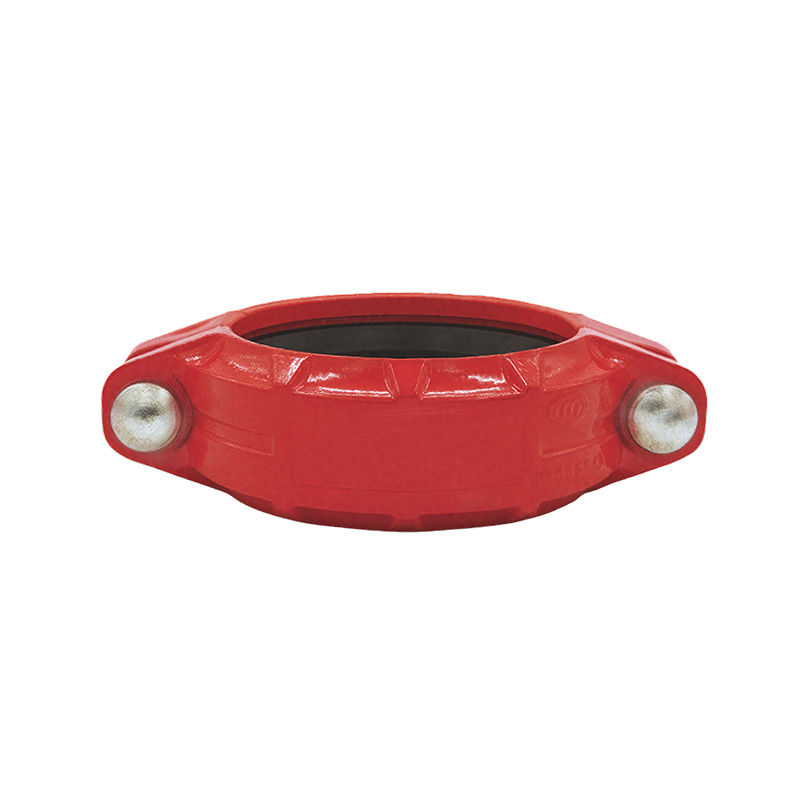
Grooved pipe fittings are mechanical pipe connectors that use a grooved pipe end, a coupling housing, bolts, and a rubber gasket to create a secure and flexible joint. This system enables fast assembly without welding, making it highly suitable for projects requiring speed, safety, and adaptability.
A complete grooved piping system supplier should provide:
Compared with welded and flanged systems, grooved technology delivers clear advantages in construction efficiency, operational safety, and lifecycle cost.
For contractors working under strict safety regulations, this significantly reduces compliance risk and inspection complexity.
Grooved fittings are engineered for demanding industrial conditions:
These characteristics make grooved systems especially suitable for HVAC systems, pump rooms, and industrial pipelines subject to dynamic loads.
This is particularly valuable in commercial buildings, hospitals, and data centers where noise control is critical.
One of the most significant advantages for project owners and contractors:
For large-scale projects, this directly translates into shorter project timelines and lower labor costs.
For facility managers and industrial operators, this means lower lifecycle maintenance costs and higher system reliability.
Grooved pipe fittings can be customized with various surface treatments:
These options ensure long service life in:
While initial product cost is competitive, the real value lies in total project economics:
For procurement teams managing large infrastructure or industrial projects, grooved systems offer a clear ROI advantage.
When selecting a grooved pipe fittings supplier, focus on the following engineering parameters:
| Parameter | Typical Standard |
|---|---|
| Material | ASTM A536 65-45-12 / QT450-10 |
| Pressure Rating | Up to 300 PSI (varies by product) |
| Size Range | DN25 – DN600 (1” – 24”) |
| Surface Treatment | Galvanized, epoxy, powder coating |
| Gasket Material | EPDM, NBR, Silicone |
| Standards | UL, FM, ANSI, ISO, 3C |
Grooved piping systems are widely used in:
For B2B buyers, especially distributors and project contractors, supplier capability is just as critical as product performance.
| Feature | Grooved | Welded | Flanged |
|---|---|---|---|
| Installation Speed | Very Fast | Slow | Medium |
| Safety | High (no flame) | Low (welding risk) | Medium |
| Maintenance | Easy | Difficult | Moderate |
| Flexibility | High | Low | Low |
| Cost Efficiency | High | Medium | Medium |
Grooved pipe fittings represent a mature, high-efficiency solution for modern piping systems. Their advantages in installation speed, safety, flexibility, and lifecycle cost make them the preferred choice across multiple industries.
For procurement professionals, choosing the right grooved pipe fittings supplier, HULU, means securing not only reliable products but also project efficiency, compliance assurance, and long-term operational savings.
If you are sourcing for large-scale projects or distribution, working with an experienced manufacturer that offers certified products, stable quality, and engineering support will significantly reduce project risk and improve overall returns.

FAQ

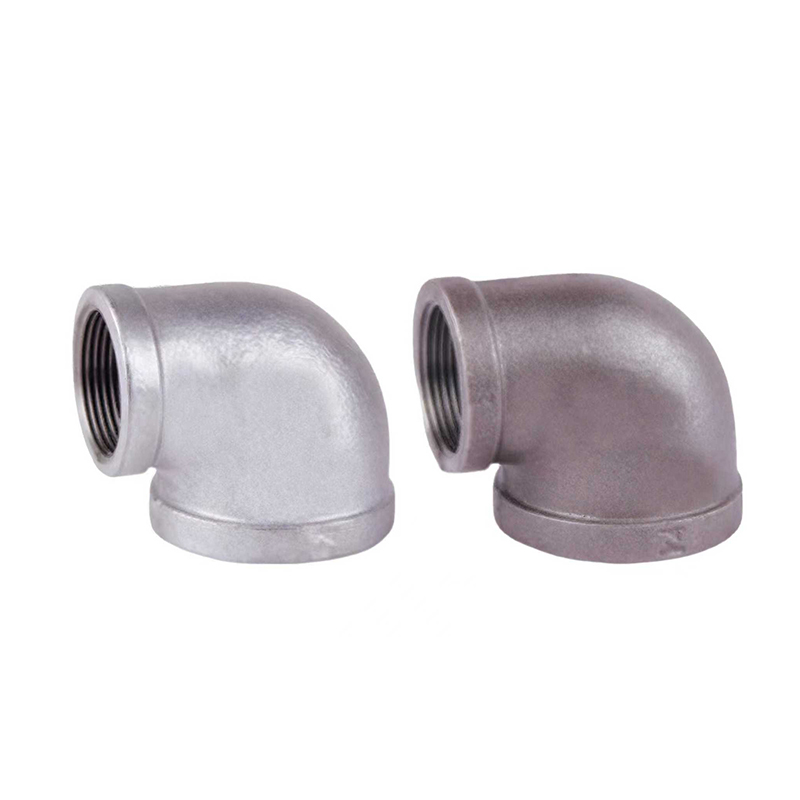
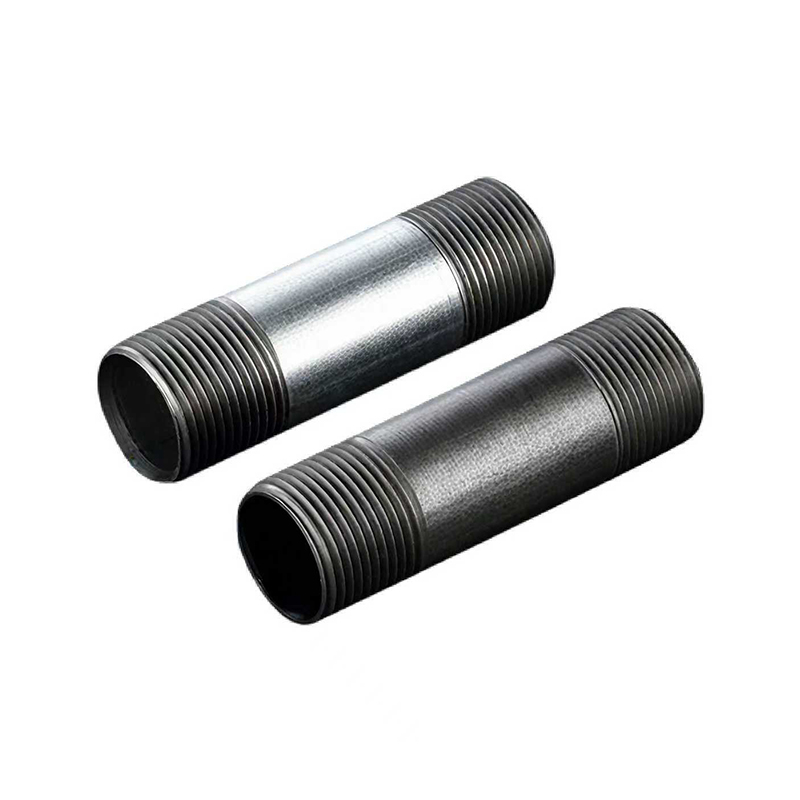
What is the technical difference between "black" and "galvanized" fittings?
The difference lies in the surface treatment and intended use. Black fittings are coated with a proprietary anti-rust oil. They are primarily used in natural gas pipelines, steam systems, and oil transportation, where the presence of zinc (present in the galvanized coating) can peel off and clog sensitive valves or burners. Galvanized fittings, on the other hand, are hot-dipped in a zinc bath, providing high corrosion resistance for drinking water systems and outdoor environments. From a metallurgical perspective, the iron body is the same; only the protective barriers differ to accommodate chemical compatibility.
What do "UL Listed" and "FM Approved" actually mean for a project?
These certifications are independent safety verifications. UL (Underwriters Laboratories) focuses on the structural integrity and burst pressure of fittings. FM (Factories Mutual) focuses on preventing property damage, ensuring fittings can withstand fire and mechanical impact. For contractors, using UL/FM certified fittings means installations will pass fire chief inspections, and building owners can obtain lower insurance premiums because the risk of catastrophic pipe failure is minimized.
What if the fitting surface discolors?
For black fittings, the surface is coated with anti-rust oil. Some surface oxidation (orange tinge) may occur if stored in a high-humidity environment for an extended period. This is usually superficial and does not affect the structural integrity of "heavy-duty" walls. However, for critical applications, fittings should be wiped clean and re-oiled, or stored in their original double-walled prefabricated packaging until installation.