

+86 185 4892 6888

Metal Forming Dies
Grooved Pipe Fittings
Malleable Iron Pipe Fittings
Valve
Standard Component&Part
Ductile Iron Pipes and Fittings
Steel Pipe
Products

FAQ

What is the technical difference between "black" and "galvanized" fittings?
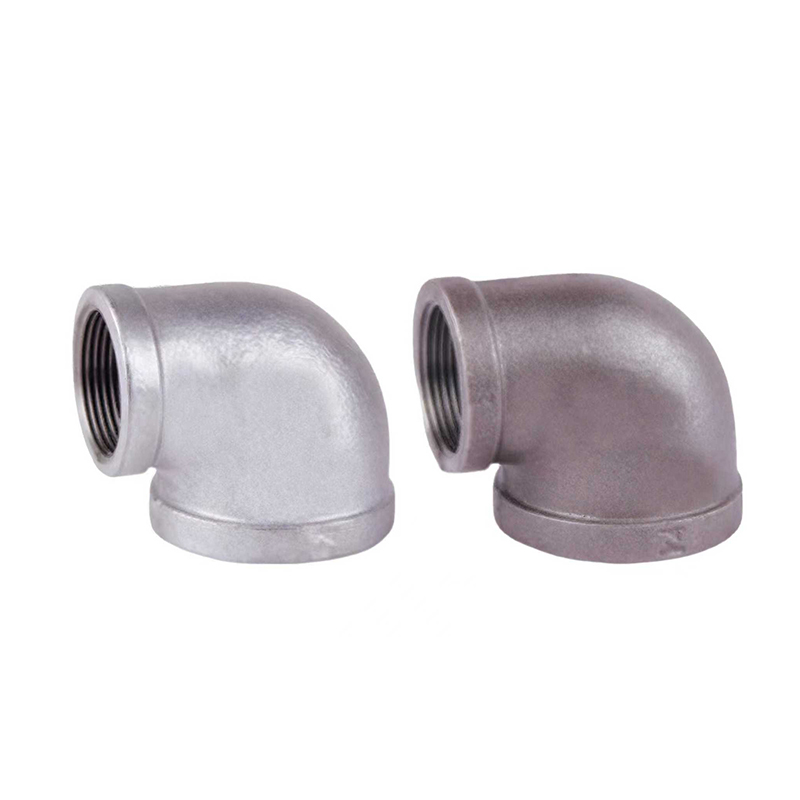
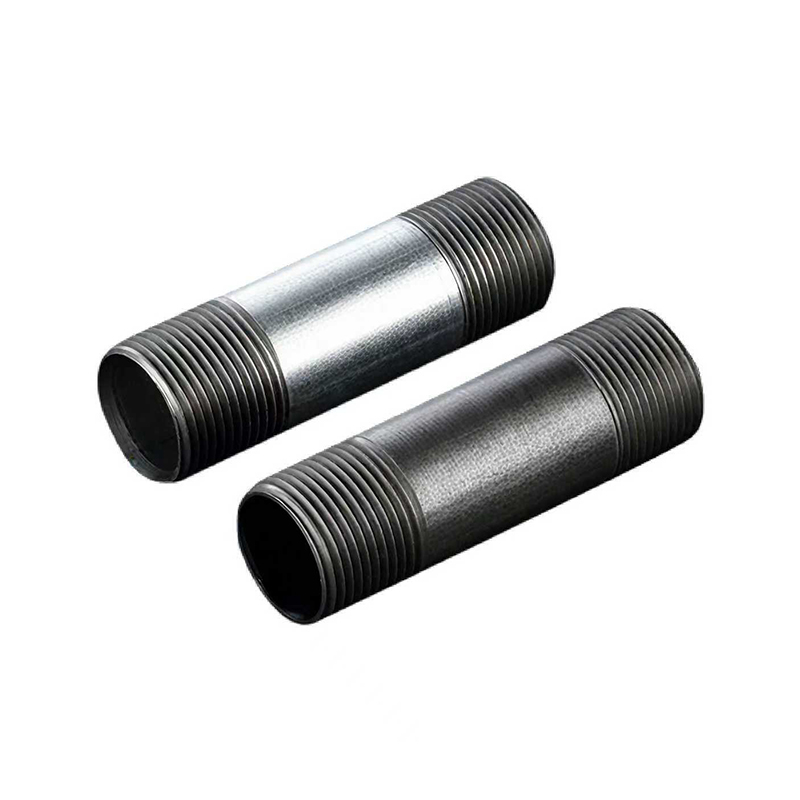
The difference lies in the surface treatment and intended use. Black fittings are coated with a proprietary anti-rust oil. They are primarily used in natural gas pipelines, steam systems, and oil transportation, where the presence of zinc (present in the galvanized coating) can peel off and clog sensitive valves or burners. Galvanized fittings, on the other hand, are hot-dipped in a zinc bath, providing high corrosion resistance for drinking water systems and outdoor environments. From a metallurgical perspective, the iron body is the same; only the protective barriers differ to accommodate chemical compatibility.
What do "UL Listed" and "FM Approved" actually mean for a project?
These certifications are independent safety verifications. UL (Underwriters Laboratories) focuses on the structural integrity and burst pressure of fittings. FM (Factories Mutual) focuses on preventing property damage, ensuring fittings can withstand fire and mechanical impact. For contractors, using UL/FM certified fittings means installations will pass fire chief inspections, and building owners can obtain lower insurance premiums because the risk of catastrophic pipe failure is minimized.
What if the fitting surface discolors?
For black fittings, the surface is coated with anti-rust oil. Some surface oxidation (orange tinge) may occur if stored in a high-humidity environment for an extended period. This is usually superficial and does not affect the structural integrity of "heavy-duty" walls. However, for critical applications, fittings should be wiped clean and re-oiled, or stored in their original double-walled prefabricated packaging until installation.